

The cost of charging a Tesla in Canada is one of the most important factors for drivers considering the switch to electric vehicles. While purchase prices often get the most attention, the long-term savings on fuel can be substantial—and in many cases, game-changing.
However, there isn’t a single answer. Charging costs vary depending on where you live, how you charge, and how often you rely on public infrastructure. Here’s a complete breakdown of what Tesla owners in Canada can expect in 2026.
Home Charging: The Cheapest Way to Charge a Tesla
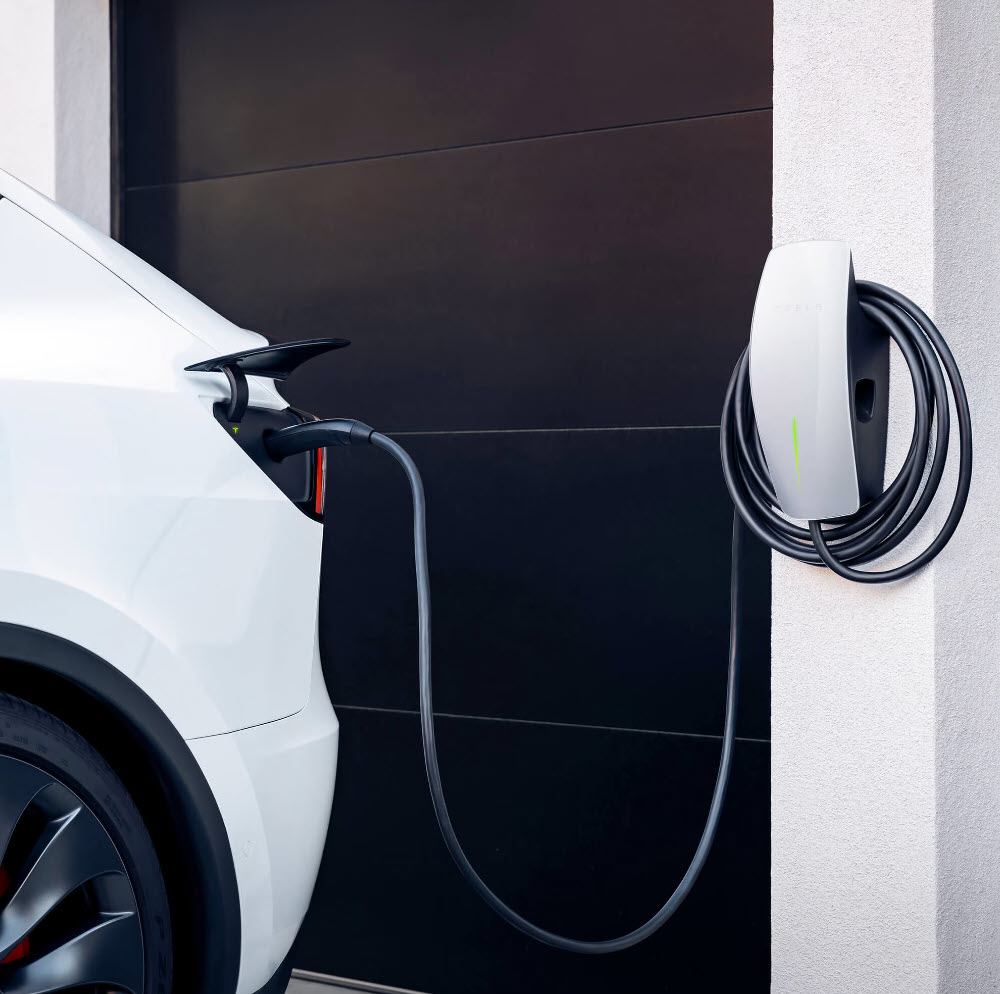
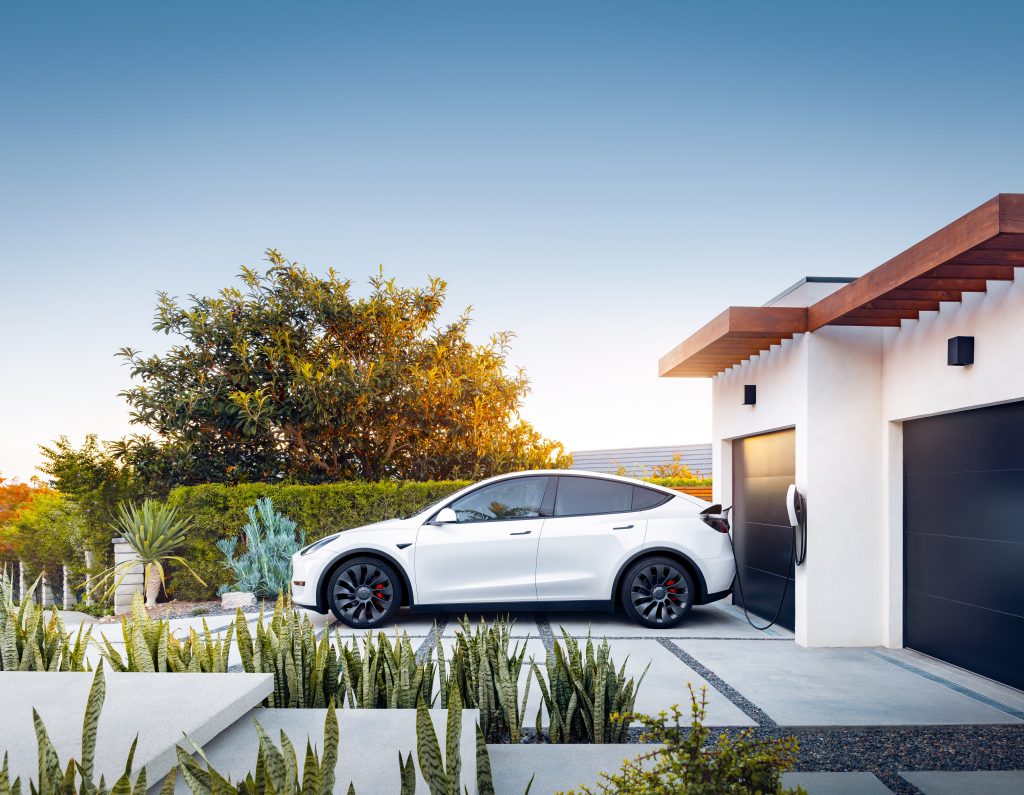
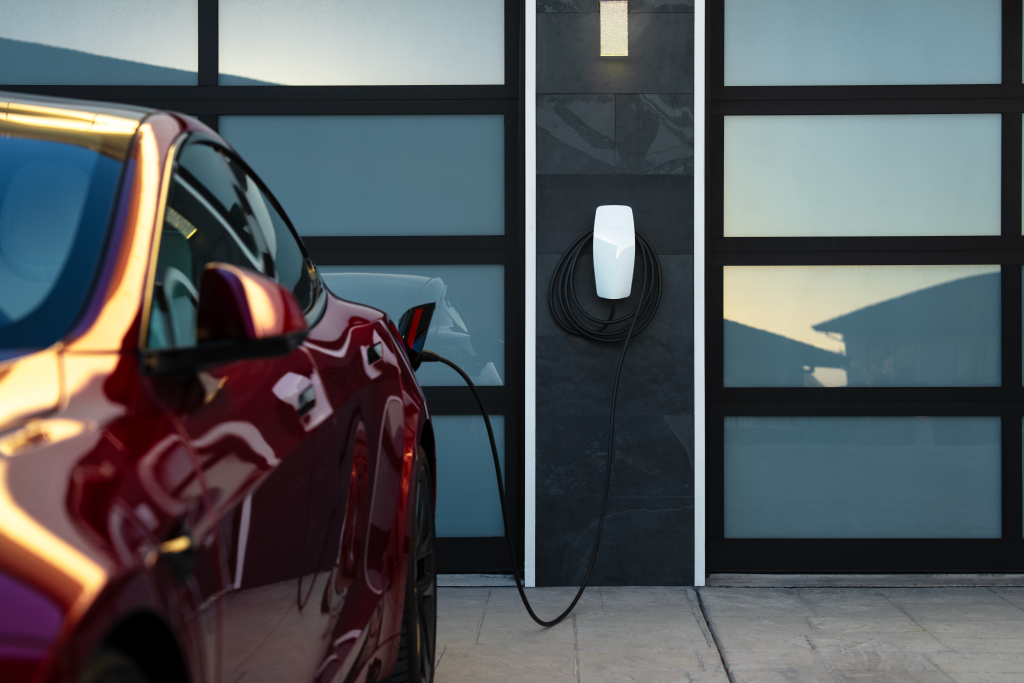
For most Canadian Tesla owners, charging at home is by far the most affordable and convenient option.
Electricity rates differ by province, but in British Columbia, residential pricing from BC Hydro typically ranges from $0.10 to $0.14 per kilowatt-hour (kWh). Quebec often has even lower rates, while Ontario may also be lower depending on time-of-use pricing.
To put this into perspective, a Tesla Model Y with a usable battery capacity of about 75 kWh would cost:
- $7 to $11 for a full charge
- Delivering roughly 400–500 km of driving range
That works out to approximately:
- $2 to $4 per 100 km
- Or about $0.02 to $0.04 per kilometre
For most drivers, this means simply plugging in overnight and starting each day with a full battery—no trips to the gas station required.
Supercharging: Fast, Convenient, and Still Affordable
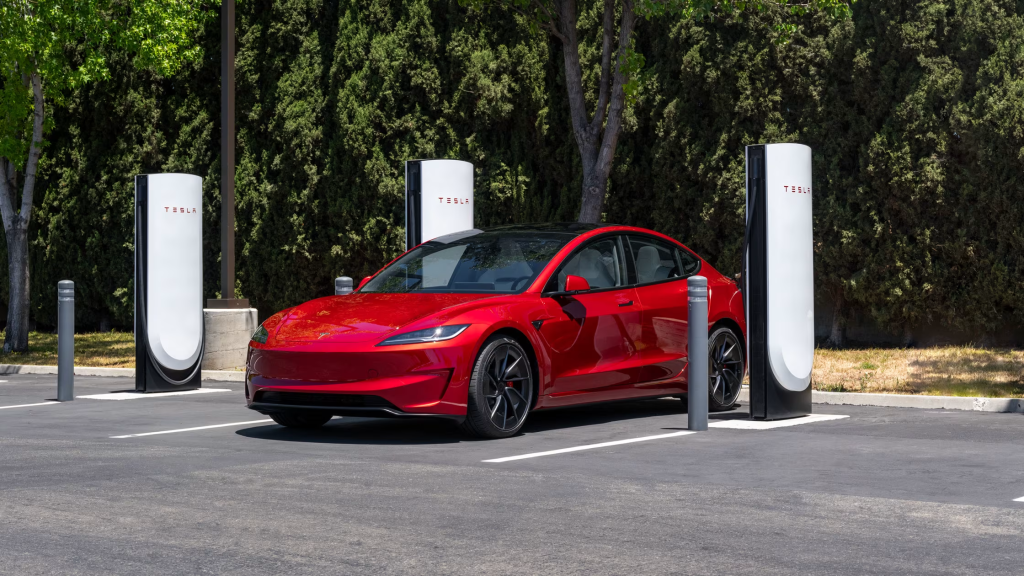
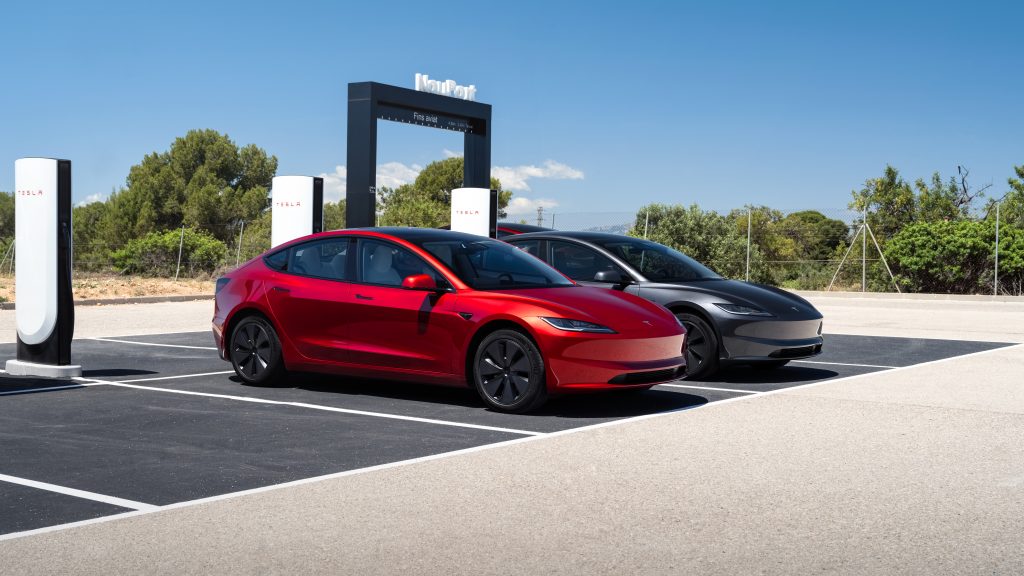
While home charging covers daily driving, Tesla’s Supercharger network plays a critical role for long-distance travel.
Across Canada, Supercharger pricing generally ranges from $0.25 to $0.60 per kWh, depending on location and demand.
For a typical session, that means:
- $18 to $40 for a near full charge
While this is more expensive than charging at home, it remains competitive with gasoline—especially in provinces where fuel prices are consistently high.
Speed is another major advantage. Modern Superchargers can deliver up to 250 kW, allowing drivers to add hundreds of kilometres of range in as little as 15–30 minutes under ideal conditions.

Public Charging Networks: What to Expect
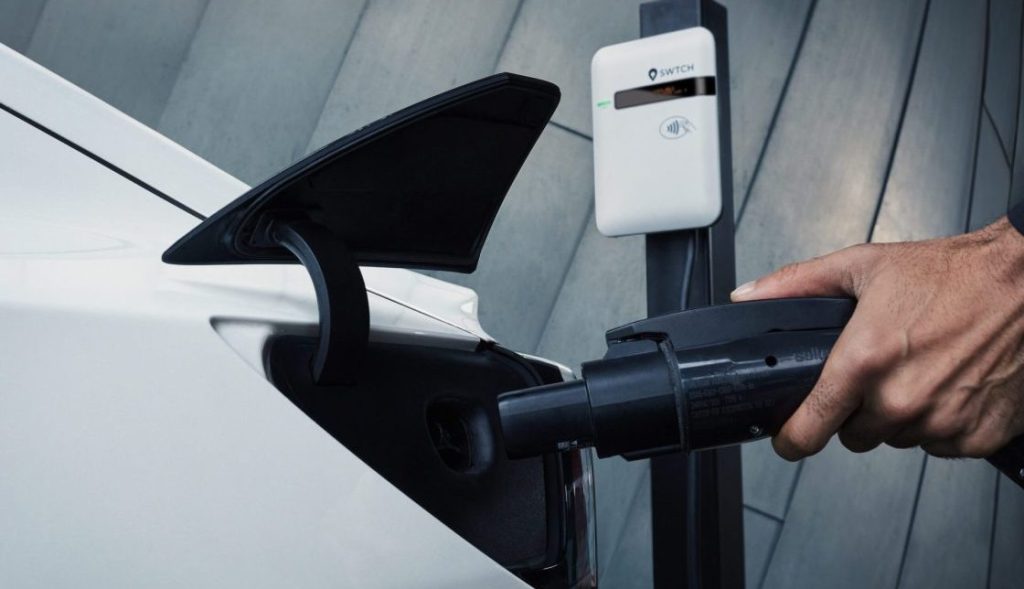
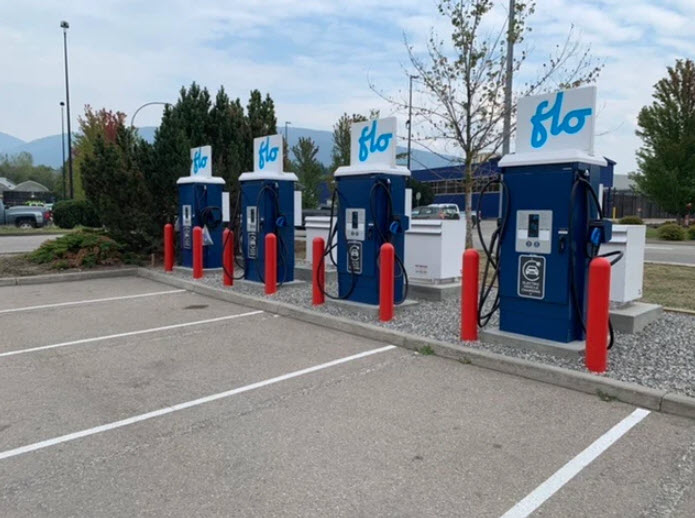
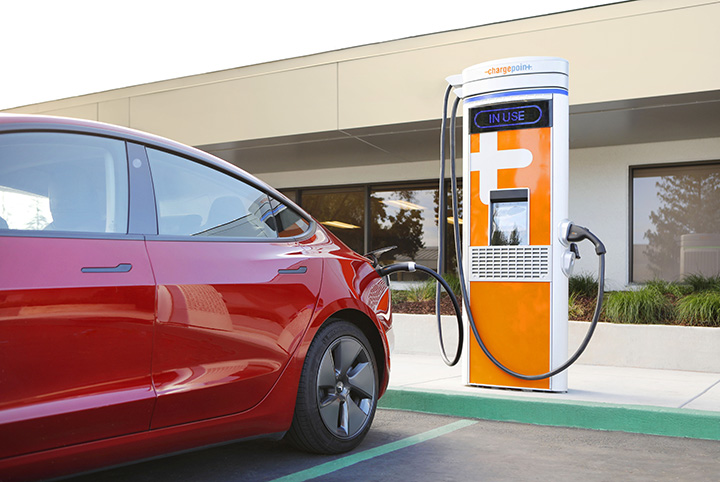
In addition to Tesla’s network, Canada has a growing number of third-party charging providers, including ChargePoint and FLO.
However, pricing on these networks can vary significantly. Depending on the provider, you may encounter:
- Per kWh pricing
- Per-minute billing
- Flat session fees
Typical costs range from:
- $10 to $30 per charging session
While useful as a backup option, third-party chargers are often less predictable in both pricing and reliability compared to Tesla’s Supercharger network.
Tesla vs Gas: Real-World Cost Comparison
To understand the true savings, it helps to compare Tesla charging costs directly to gasoline.
Let’s assume:
- Gas price: $1.80 per litre
- Average fuel consumption: 8L/100 km
That results in:
- $14.40 per 100 km
By comparison:
Tesla (home charging):
- $2 to $4 per 100 km
Tesla (Supercharging):
- $6 to $10 per 100 km
Even in the most expensive charging scenarios, electric driving is typically cheaper than gasoline. Over time, the difference becomes substantial.
Annual Savings: How Much Can You Really Save?
For a typical Canadian driver traveling 15,000 to 20,000 km per year, the savings can add up quickly.
Estimated annual fuel costs:
- Gas vehicle: $2,100 to $2,900
- Tesla (home charging): $300 to $800
That translates to potential savings of:
- $1,500 to $2,500 per year
Over five years, that’s $7,500 to $12,500 in fuel savings alone, not including reduced maintenance costs.
What Affects the Cost of Charging?
While the numbers above provide a solid baseline, several factors can influence your actual costs:
1. Location
Electricity rates vary widely across Canada. Quebec and British Columbia tend to have the lowest costs, while Alberta and Ontario may be higher.
2. Charging Habits
Drivers who rely primarily on Superchargers will spend more than those charging at home.
3. Weather
Cold Canadian winters can reduce efficiency, increasing energy consumption and slightly raising costs.
4. Driving Style
Higher speeds and aggressive acceleration can increase energy usage, just like fuel consumption in a gas vehicle.

Is Charging a Tesla Always Cheaper?
In most cases, yes—but there are exceptions.
If you rely exclusively on high-cost public charging, especially in urban areas with premium pricing, the cost advantage can shrink. However, even in those cases, Tesla ownership often remains competitive when factoring in maintenance savings and overall efficiency.
The Bottom Line
Charging a Tesla in Canada is significantly more affordable than fueling a traditional gasoline vehicle—especially for drivers who can charge at home.
While public charging and Superchargers come at a higher cost, they offer flexibility and convenience without eliminating the overall savings advantage. As Canada continues to expand its charging infrastructure and electricity prices remain relatively stable, the long-term financial benefits of EV ownership are becoming increasingly clear.
For most Canadians, switching to a Tesla isn’t just about sustainability—it’s also a smart financial decision.

Always get the latest - make Drive Tesla your preferred source on Google
Are you buying a Tesla? If you enjoy our content and we helped in your decision, use our referral link to get three months of Full Self-Driving (FSD).Drive Tesla uses affiliate links, which means we may earn a commission if you make a purchase through them, at no additional cost to you. Thank you for your support.