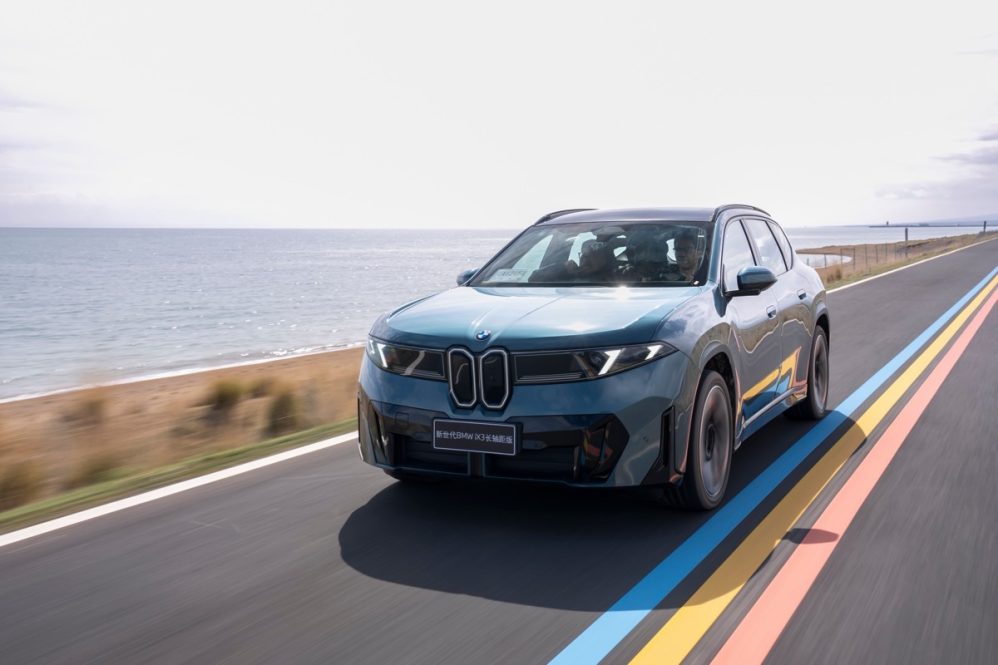
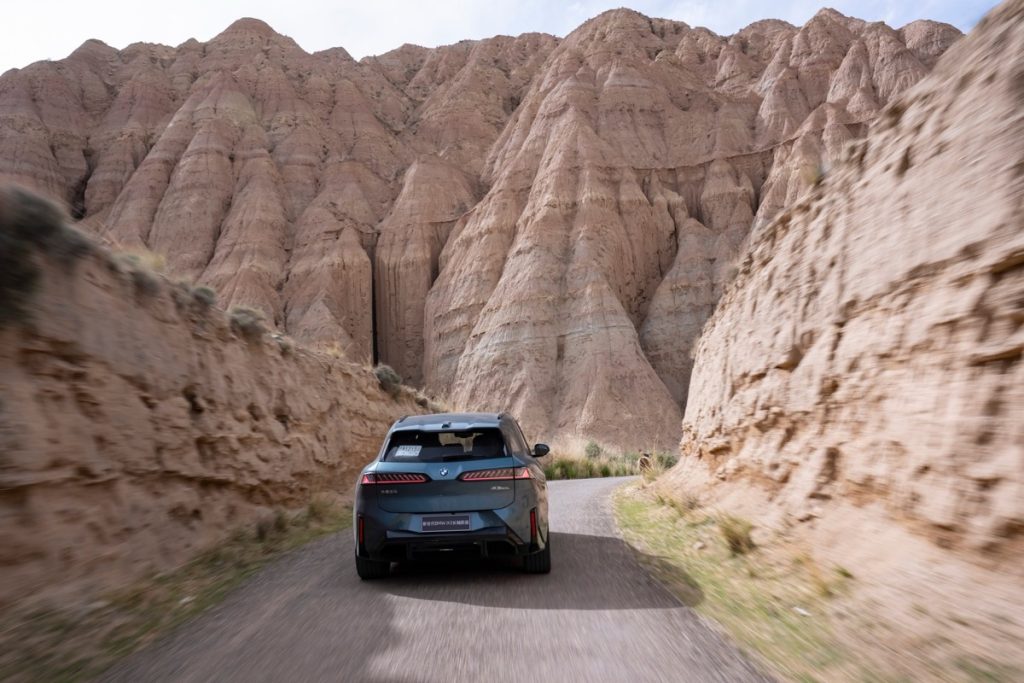
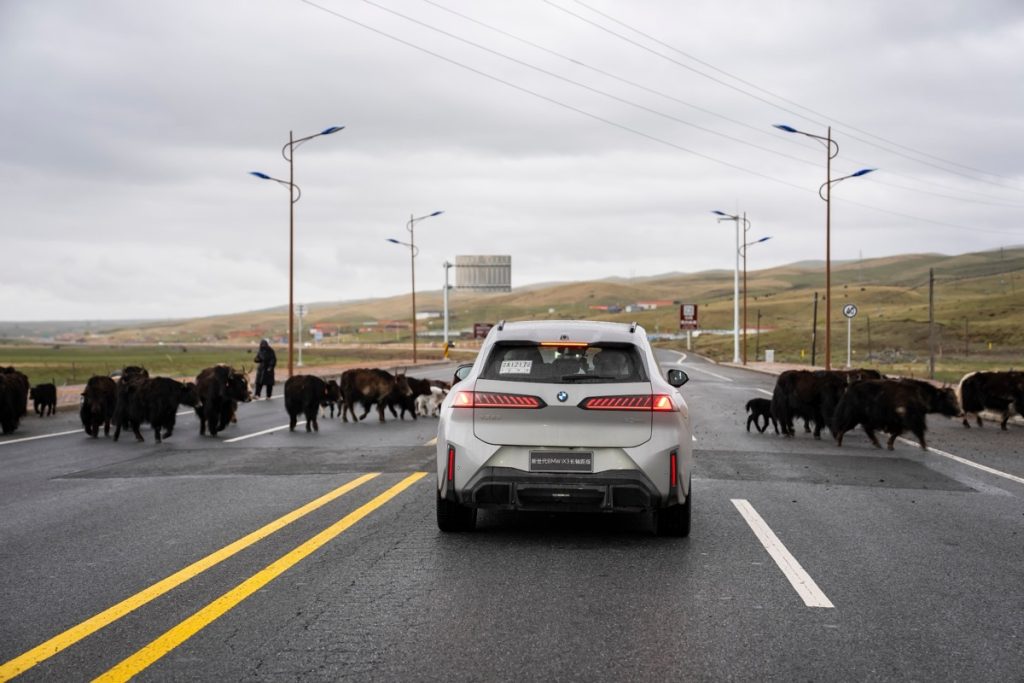
BMW is getting closer to releasing its next-generation electric vehicles (EVs), and its latest demonstration may be one of the most impressive yet. The automaker recently put a prototype version of its upcoming iX3 through a challenging real-world endurance drive in western China.
The prototype vehicle was able to cover 800 km (497 miles) on a single charge while navigating mountain roads, changing weather conditions, and significant elevation changes.
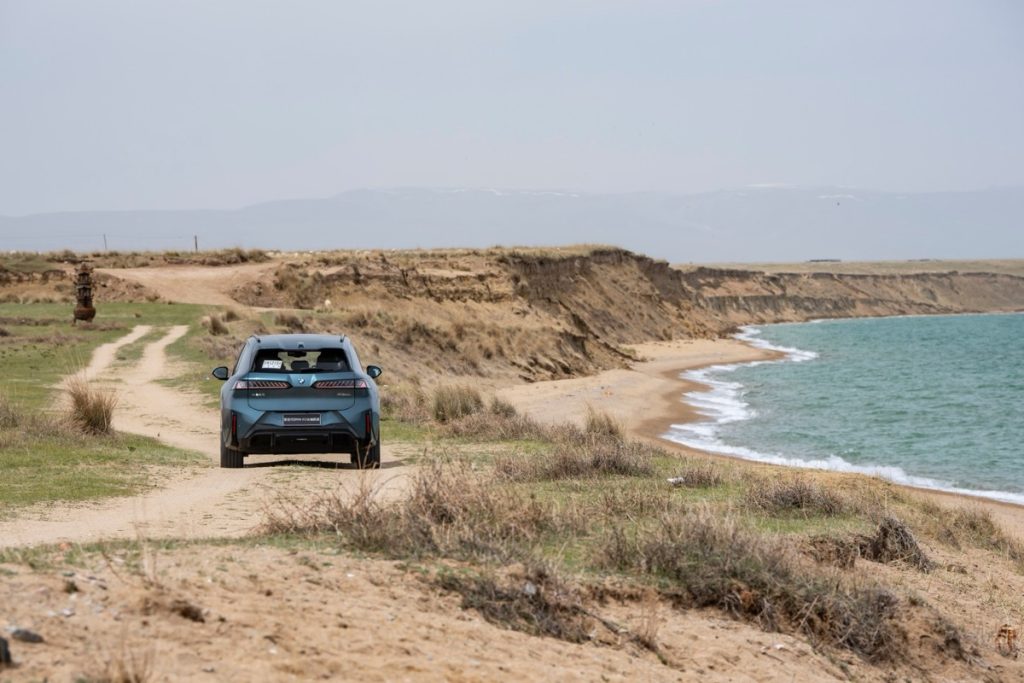
The vehicle, a long-wheelbase BMW iX3 50L xDrive prototype, completed the famous Qinghai Lake loop and returned to its starting point in Xining with 2% battery remaining. According to BMW, the drive suggests a total range potential of roughly 835 to 840 km (519 to 522 miles) under those conditions.
The route included public roads, normal traffic, steep climbs, long descents, and weather ranging from rain and snow to bright sunshine. Temperatures fluctuated between 1°C and 21°C during the trip, while the vehicle climbed to nearly 4,000 metres above sea level before descending back toward its starting elevation.
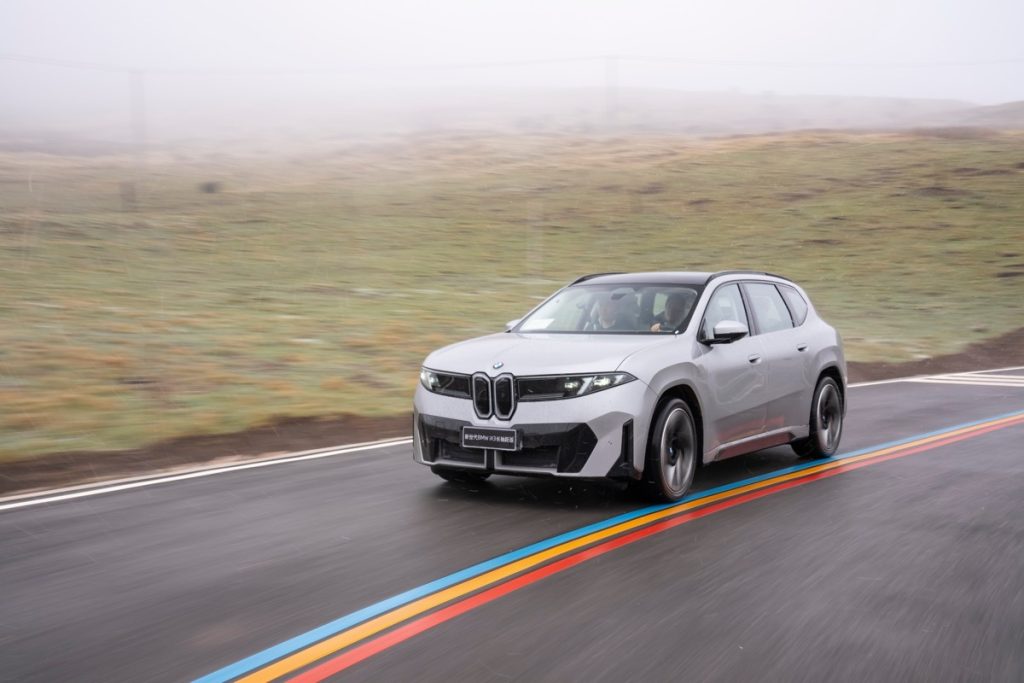
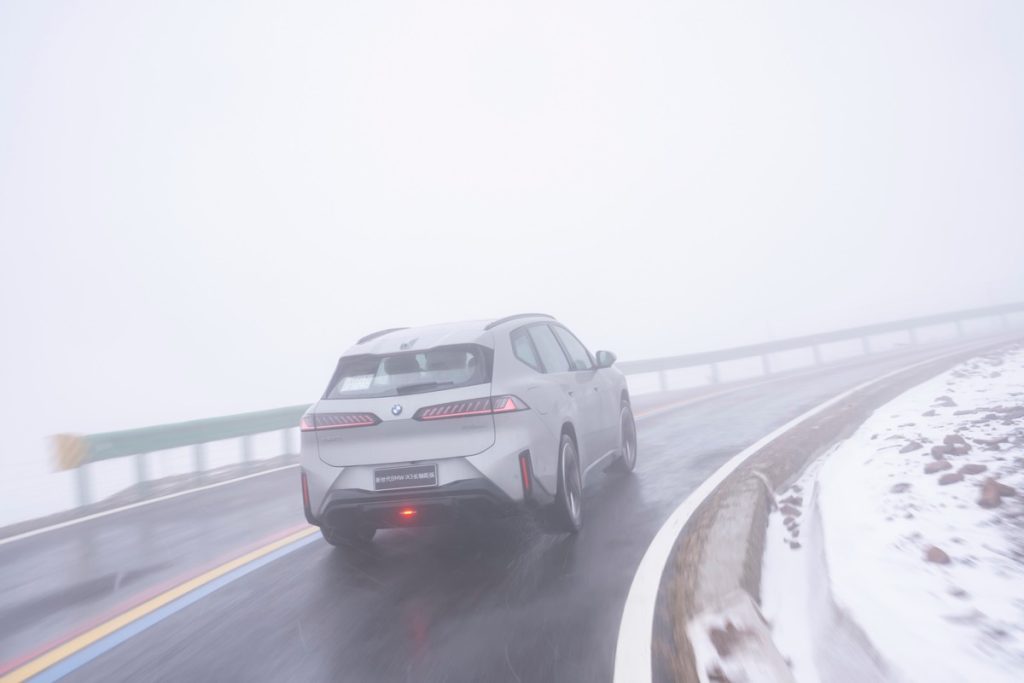
Despite those challenges, the prototype recorded average energy consumption of just 12.6 kWh/100 km, a figure that would place it among the most efficient electric SUVs.
Neue Klasse technology delivers impressive efficiency
The test vehicle was equipped with BMW’s new sixth-generation battery technology, featuring 108.7 kWh of usable energy and built around newly developed cylindrical battery cells. The battery forms a key part of BMW’s Neue Klasse platform, which will underpin a new generation of electric vehicles scheduled to arrive globally beginning later this year.
Efficiency gains come from more than just battery capacity. BMW says the iX3 uses a new dual-motor setup that combines an electrically excited synchronous motor with an asynchronous motor. The company claims the design reduces drivetrain energy losses by as much as 40% while improving overall efficiency by up to 20% compared to previous-generation systems.
Regenerative braking also played a significant role during the mountain drive. BMW’s new “Heart of Joy” vehicle control system is designed to maximize energy recovery, with the automaker claiming recuperation can handle up to 98% of everyday braking situations. That capability becomes particularly valuable on routes like the Qinghai Lake loop, where long downhill sections provide opportunities to return energy to the battery.
Good news for buyers outside China
The result adds to a growing list of strong performances for the iX3. Earlier this month, the model topped the 2026 Norwegian Automobile Federation (NAF) summer range test, recording a real-world range of 781 km (485 miles), outperforming competitors from Lucid and Mercedes-Benz.
For buyers outside China, the encouraging news is that the long-wheelbase model tested shares the same core battery and drivetrain technology as the standard-wheelbase iX3 destined for Europe and North America. The vehicle will also feature BMW’s new 800-volt architecture, allowing DC fast charging speeds of up to 400 kW and a claimed 10% to 80% charge time of approximately 21 minutes.

Always get the latest - make Drive Tesla your preferred source on Google
Are you buying a Tesla? If you enjoy our content and we helped in your decision, use our referral link to get three months of Full Self-Driving (FSD).Drive Tesla uses affiliate links, which means we may earn a commission if you make a purchase through them, at no additional cost to you. Thank you for your support.