
SpaceX has completed another major Starship milestone, successfully deploying its first third-generation (V3) Starlink satellites during the rocket’s 13th integrated flight test while also achieving its best upper-stage landing performance to date.
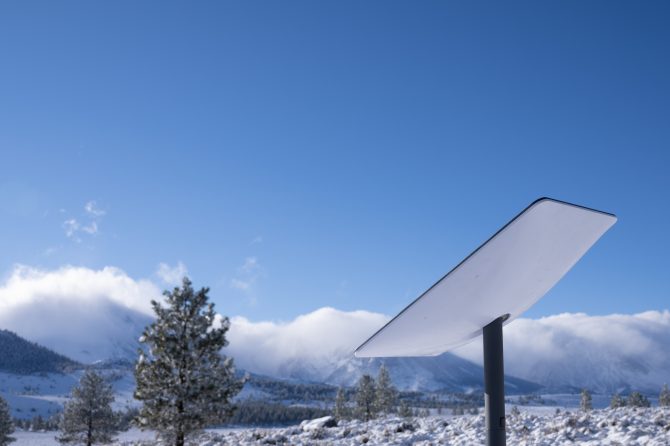
The mission was the first to carry the company’s next-generation Starlink satellites, which are expected to dramatically increase the capacity of SpaceX’s satellite internet network once they begin regular service. According to SpaceX, each V3 satellite is capable of delivering up to 1 Tbps of downlink capacity, or roughly 10 times that of the current V2 satellites, along with 160 Gbps of uplink bandwidth, a 22-fold improvement.
Friday’s mission deployed 20 of the satellites, but were burnt up round 20 minutes after deployment as Starship is not yet capable of reaching orbit.
Watch Starship's thirteenth flight test https://t.co/qkYYJiX24h
— SpaceX (@SpaceX) July 23, 2026
Beyond the V3 satellites, the test flight also marked a significant step forward for Starship itself, successfully completing re-entry and performing what SpaceX described as its softest splashdown to date in the Indian Ocean. The vehicle remained intact and floated after landing, allowing engineers to inspect its heat shield and other hardware in far greater detail than on previous flights.
Splashdown confirmed! Congratulations to the entire SpaceX team on the 13th flight test of Starship! pic.twitter.com/g27YJCQgiN
— SpaceX (@SpaceX) July 24, 2026
Not everything went according to plan, however. The Super Heavy booster once again encountered problems during its simulated landing. Only a portion of the engines required for the landing burn ignited, resulting in a harder-than-planned impact with the Gulf of Mexico and the loss of the booster.
SpaceX also equipped two of the V3 satellites with cameras to photograph Starship’s heat shield during re-entry, providing engineers with additional data as the company works toward a fully reusable launch system.
Starship as seen from Starlink satellites pic.twitter.com/e2hvfmnewh
— Elon Musk (@elonmusk) July 25, 2026

Always get the latest - make Drive Tesla your preferred source on Google
Are you buying a Tesla? If you enjoy our content and we helped in your decision, use our referral link to get three months of Full Self-Driving (FSD).Drive Tesla uses affiliate links, which means we may earn a commission if you make a purchase through them, at no additional cost to you. Thank you for your support.