The U.S. National Highway Traffic Safety Administration (NHTSA) has denied a petition by a third party requesting a formal defect investigation into the emergency mechanical door release on 2022 Tesla Model 3 vehicles.
At the same time, the agency announced it will begin the process of considering new federal safety requirements for emergency door release systems.
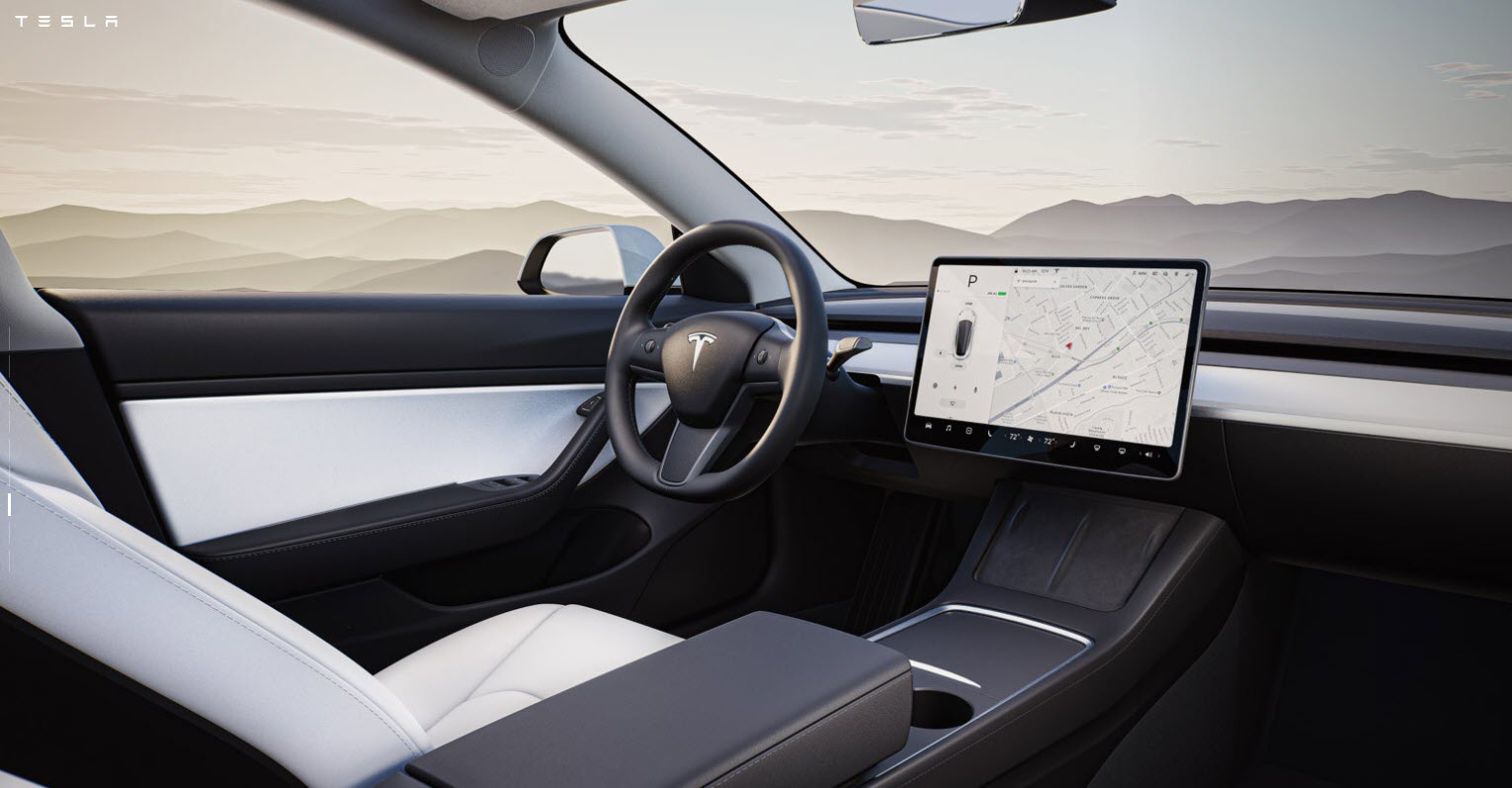
The petition, submitted by Tesla owner Kevin Clouse in November 2025, argued that the Model 3’s manual door release is difficult to locate and not clearly identified, creating a potential safety hazard if the vehicle loses electrical power during a crash.
After reviewing the case, NHTSA concluded in its report there was not enough evidence to justify opening a defect investigation. The agency found only one consumer complaint matching the allegations, and it came from the same vehicle involved in the petition.
NHTSA also noted that current Federal Motor Vehicle Safety Standard (FMVSS) 206 covers door locks, latches, and hinges, but contains no requirements covering the visibility or placement of manual emergency door releases. The agency pointed out that Tesla’s owner’s manual explains how to operate the manual release during a power failure, including illustrations showing its location.
New Door Safety Standards Under Consideration
While Tesla avoided a defect investigation, settling the broader issue is only getting started. The agency confirmed it has approved a separate petition requesting the creation of a new federal safety standard requiring “a robust and obvious door egress system in all motor vehicles.”
The approval does not automatically create a new regulation, but it officially begins the rulemaking process, during which the agency will collect data, seek public input, and determine whether new requirements are warranted.
The move follows increased scrutiny of electronically operated door handles across the industry. Tesla has already confirmed it is redesigning its door handles, while Rivian has also announced changes to make its manual release more visible on future vehicles.
Meanwhile in China, new rules starting January 2027 will require all passenger vehicles sold in the country to be equipped with mechanical door handles that remain operable after a crash or power failure.

Always get the latest - make Drive Tesla your preferred source on Google
Are you buying a Tesla? If you enjoy our content and we helped in your decision, use our referral link to get three months of Full Self-Driving (FSD).Drive Tesla uses affiliate links, which means we may earn a commission if you make a purchase through them, at no additional cost to you. Thank you for your support.