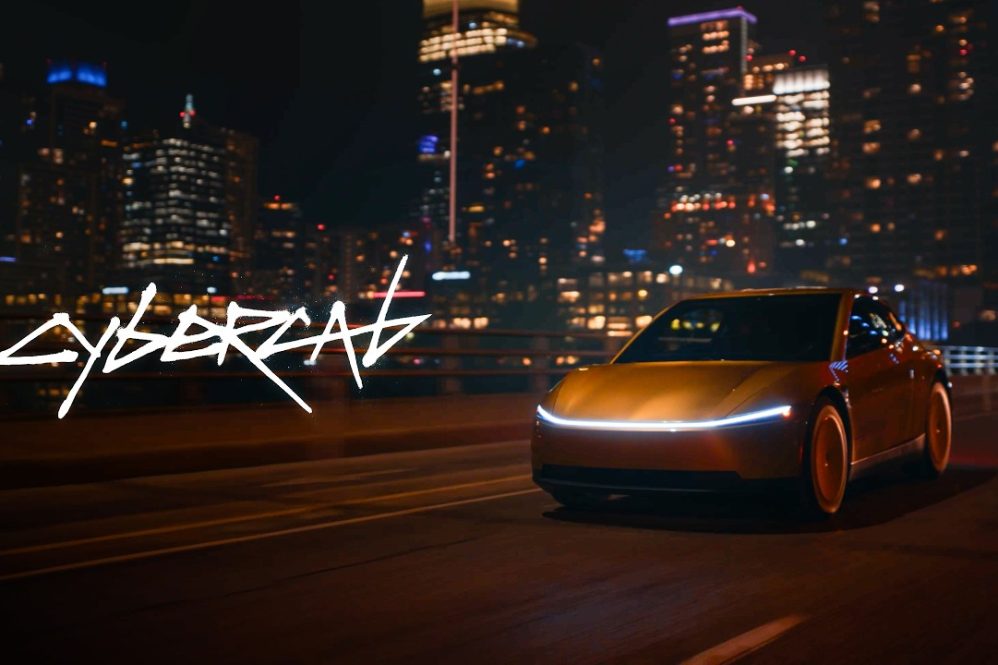
The Tesla Cybercab is off to a relatively uneventful start, at least when it comes to reported incidents. The latest crash data from the National Highway Traffic Safety Administration (NHTSA) shows no major incidents involving the purpose-built autonomous vehicle.
The latest figures cover reports submitted through September 15, 2026, which covers the first 11 days after Tesla opened Cybercab rides to the public in Austin, Texas on September 4.
Cybercab’s only reported incident is a pothole
According to Tesla’s filing with the NHTSA, the Cybercab was travelling through a parking lot in Austin in August when it drove into a large pothole filled with water at a speed of no more than 5 mph (8 km/h).
A safety monitor was inside the vehicle at the time, but there were no passengers. The incident was classified as involving property damage, with no injuries reported.
Notably, the incident occurred before Tesla opened Cybercab rides to the public. No further Cybercab incidents appear in the available data through September 15.
The encouraging early figures come as Tesla continues expanding its Cybercab fleet, now above 300 units, with Dallas expected to become the next city to offer rides in the purpose-built autonomous vehicle.
Latest Model Y Robotaxi incidents
The latest NHTSA data also includes nine Tesla Robotaxi incidents from August, including the Cybercab pothole encounter. Among the eight Model Y incidents were two involving remote operators.
In Dallas, a remotely controlled Model Y made contact with a parked SUV at just 0.4 mph (0.6 km/h). In Austin, another remote operator struck a dumpster while navigating an alley at approximately 1 mph (1.6 km/h).
Other August reports involved minor contact with a guardrail, utility meter and chains, along with two incidents where other vehicles struck Tesla Robotaxis.
The latest findings are consistent with previously released Robotaxi crash reports, which also showed that many incidents involved low-speed contact or other vehicles striking Tesla’s autonomous fleet.
Related Articles:
- Tesla’s Robotaxi Crash Reports Are Now Unredacted — Here’s What They Show
- Tesla Robotaxi Fleet Surpasses 1 Million Miles of Unsupervised Driving
- Tesla Robotaxi Expands to Dallas and Houston With Fully Autonomous Rides
- NHTSA Opens Inquiry Into Tesla Robotaxis Over Alleged School Zone Speeding
- Tesla Reports Five New Minor Robotaxi Crashes in Austin

Always get the latest - make Drive Tesla your preferred source on Google
Are you buying a Tesla? If you enjoy our content and we helped in your decision, use our referral link to get three months of Full Self-Driving (FSD).Drive Tesla uses affiliate links, which means we may earn a commission if you make a purchase through them, at no additional cost to you. Thank you for your support.