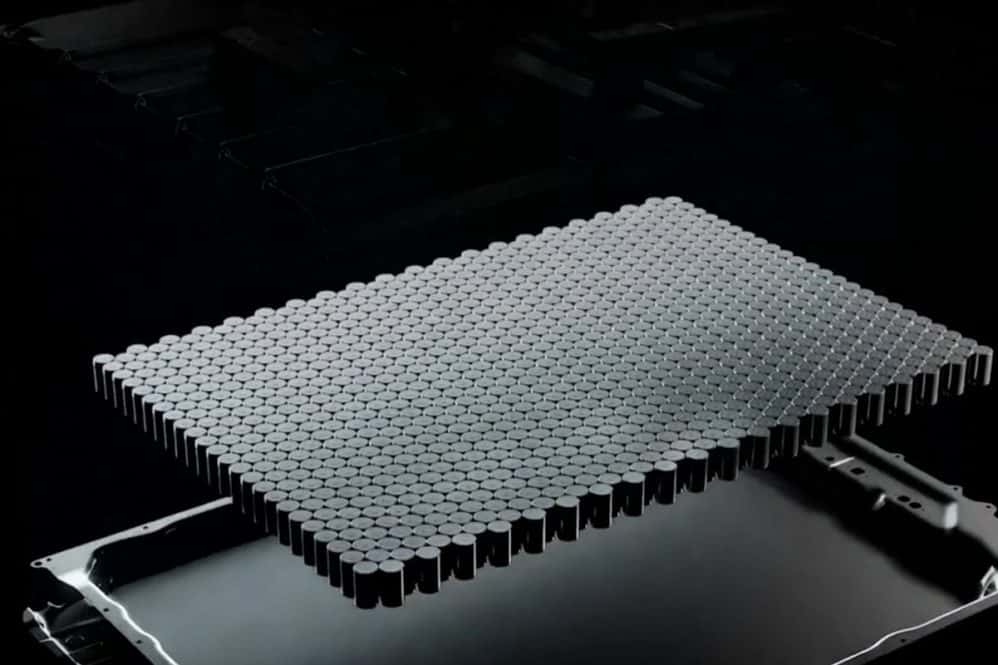
Tesla has published a detailed look inside its battery engineering program, explaining how it designs its battery packs with a focus on safety, durability and longevity.
In a new ‘Learn’ article published on its website, Tesla says its approach stretches from cell chemistry and manufacturing through pack architecture and the software monitoring batteries once vehicles are on the road. That includes testing the complete battery system against failure scenarios that go beyond regulatory requirements.
A major part of that strategy is what Tesla calls passive propagation resistance (PPR). The idea is to prevent a problem with one cell, including thermal runaway, from spreading through the rest of the pack. Cells are thermally isolated, structurally separated and surrounded by cooling systems designed to contain the energy released during a failure.
Tesla says PPR testing isn’t typically required of automakers, but it voluntarily tests its packs under conditions including high temperatures, a full state of charge and loss of coolant flow. The company also made a notable claim about its real-world record – across more than 265 billion miles driven through the end of 2025, Tesla says it has found no evidence of a spontaneous battery failure causing a vehicle fire in a Model 3, Model Y, Cybertruck or Semi.
Longevity is addressed partly through thermal management. Liquid cooling and heating channels regulate cell temperatures while driving, charging and even while parked. Keeping temperatures consistent across the pack reduces degradation and helps prevent individual cells from becoming weak links as the battery ages.
Tesla also revealed more about its manufacturing and inspection process. Every cell is inspected, with 100% undergoing X-ray scanning, while CT scans are performed on a significant portion. Tesla is also developing AI-based systems capable of spotting subtle manufacturing anomalies.
The company then uses anonymized data from millions of vehicles to track battery health and investigate rare problems, creating a feedback loop between batteries in customer vehicles and Tesla’s engineering and manufacturing teams.

Always get the latest - make Drive Tesla your preferred source on Google
Are you buying a Tesla? If you enjoy our content and we helped in your decision, use our referral link to get three months of Full Self-Driving (FSD).Drive Tesla uses affiliate links, which means we may earn a commission if you make a purchase through them, at no additional cost to you. Thank you for your support.