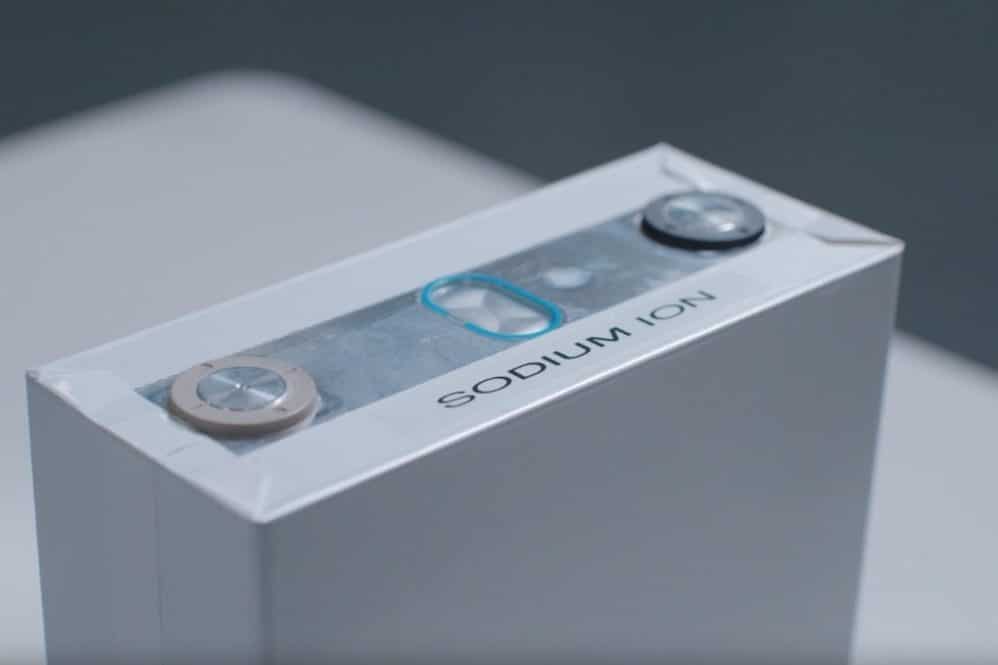
General Motors is expanding beyond cars and trucks and into the rapidly growing energy storage sector. The automaker announced this week that it is developing next-generation sodium-ion battery cells designed specifically for grid-scale energy storage projects.
The move comes as demand for electricity continues to surge, driven largely by the rapid expansion of artificial intelligence infrastructure and data centers. Utilities and industrial customers are expected to require massive amounts of energy storage capacity in the coming years, creating a market opportunity that extends well beyond passenger vehicles.
Unlike the lithium-ion batteries commonly used in EVs, GM’s new sodium-ion technology is being developed exclusively for stationary energy storage applications. The company is partnering with Denver-based startup Peak Energy, with support from GM Ventures, to bring the batteries to market after 2028.
Why GM Is Betting on Sodium-Ion Batteries
According to GM Vice President of Battery and Sustainability Kurt Kelty, the chemistry offers several advantages over existing solutions.
“We can apply the battery expertise GM has built in cell design, prototyping and industrialization to help move this chemistry forward.”
Kelty believes sodium-ion technology could eventually outperform lithium iron phosphate (LFP) batteries in energy storage applications while delivering lower costs and improved reliability.
One of the biggest benefits is that sodium-ion batteries can operate across a broader temperature range, reducing or potentially eliminating the need for active cooling systems. That simplifies battery installations, lowers maintenance requirements, and decreases overall operating costs.
“Peak’s energy storage platform is already demonstrating how sodium-ion’s strengths can translate into lower costs and greater reliability,” Kelty said.
Following Tesla and Ford Into Energy Storage
The announcement highlights a growing trend among automakers looking to capitalize on their battery expertise as EV demand grows more slowly than many had anticipated. Tesla has positioned itself at the forefront of this market, with Megapack battery systems now deployed in more than 65 countries.
Following in Tesla’s footsteps, Ford launched Ford Energy earlier this year, a dedicated business focused on supplying battery storage systems for utilities, data centers, and industrial customers. The new company also secured its first deal, a five-year agreement with EDF power solutions North America to supply up to 20 gigawatt-hours (GWh) of battery storage capacity for grid-scale renewable energy projects across the United States.

Always get the latest - make Drive Tesla your preferred source on Google
Are you buying a Tesla? If you enjoy our content and we helped in your decision, use our referral link to get three months of Full Self-Driving (FSD).Drive Tesla uses affiliate links, which means we may earn a commission if you make a purchase through them, at no additional cost to you. Thank you for your support.