Tesla has started rolling out software update 2026.38, expanding two features that had previously been restricted to newer hardware, including Supercharger Site Maps and improved visuals. However, only one of those features made it to Intel Atom-equipped vehicles.
Tesla is also rolling out a potential fix for a long-standing complaint about headlights being too bright for oncoming drivers.
Supercharger Site Maps on Intel
Supercharger Site Maps originally launched with Tesla’s 2025 Holiday Update, but the in-car version was limited to vehicles with the newer AMD Ryzen infotainment computer.
With 2026.38, Tesla is now extending the feature to cars with the older Intel Atom processor.
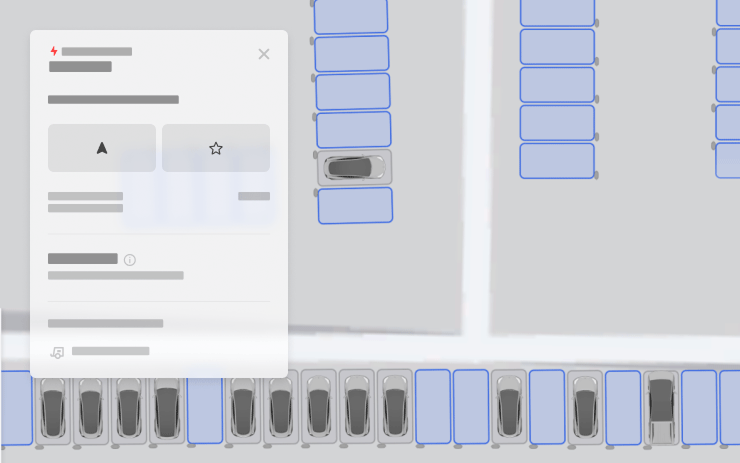
The expansion comes just after Tesla took another step toward making Site Maps more widely available. Earlier this month, Tesla added Supercharger Site Maps to its mobile app with version 4.61.0, allowing owners to view supported charging locations, stall layouts and real-time availability directly from their phone, even if their vehicle didn’t support the feature on the in-car display.
Visual Updates on HW3 & AMD Ryzen
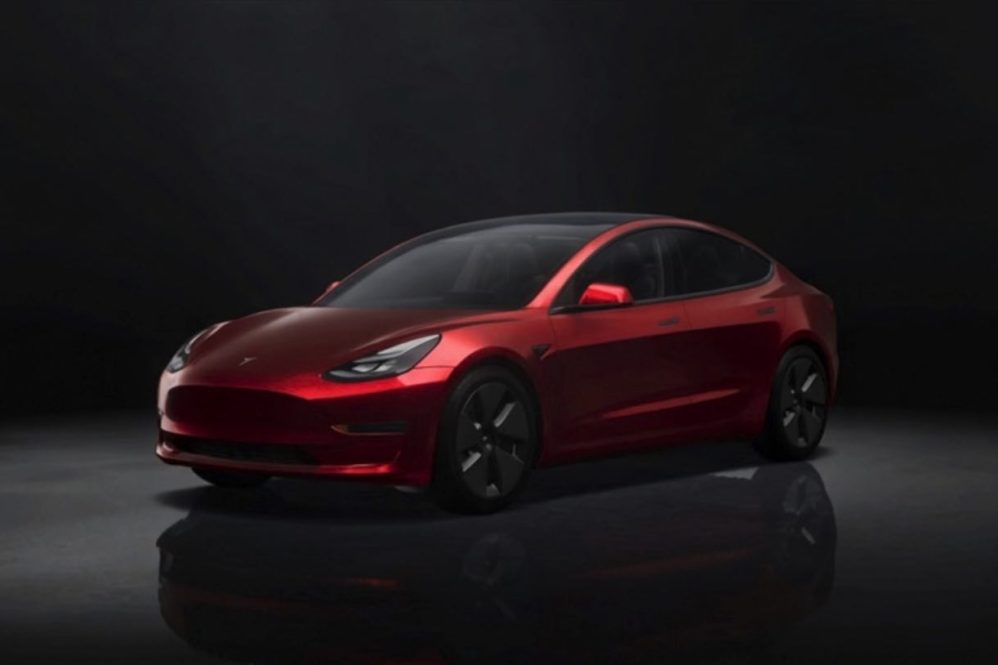
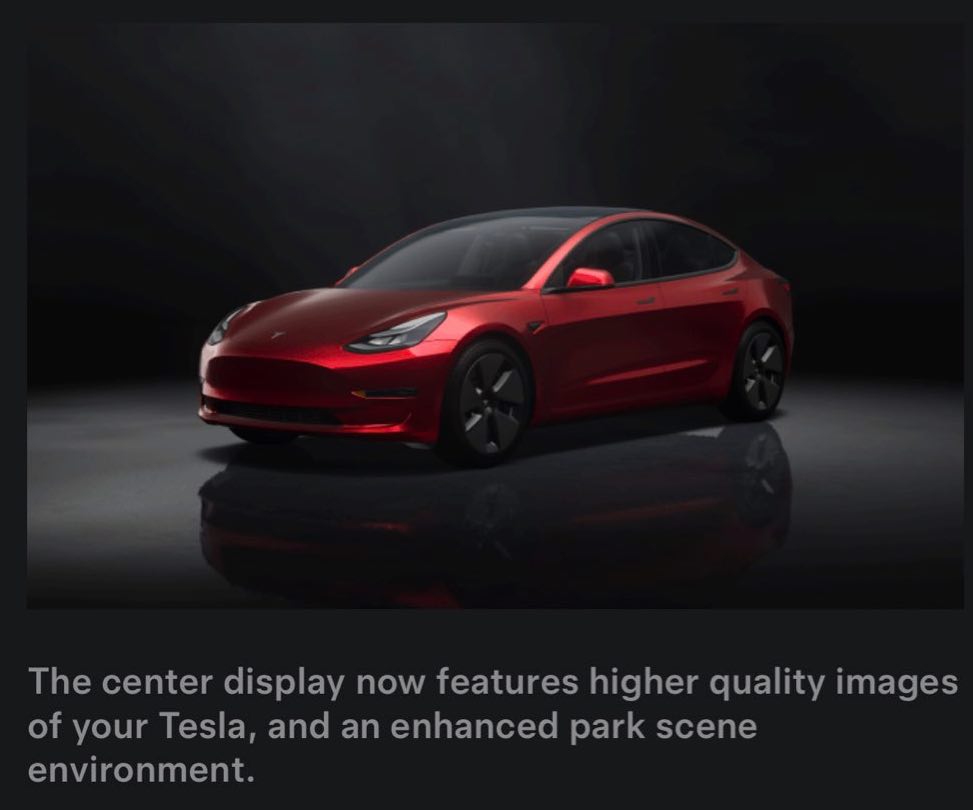
Tesla is also closing another hardware gap with its Visual Updates feature. The improved Unreal Engine vehicle visualizations had previously been available on HW4 vehicles with Ryzen, but 2026.38 is bringing them to HW3/Ryzen vehicles as well.
“The center display now features higher quality images of your Tesla, and an enhanced park scene environment,” Tesla’s release notes say.
The hardware requirements can get a little confusing because Tesla vehicles have separate Autopilot and infotainment computers.
Here’s how the changes in 2026.38 break down.
| Feature | HW3 + Intel | HW3 + Ryzen | HW4 + Ryzen |
|---|---|---|---|
| Supercharger Site Maps | ✅ | ✅ | ✅ |
| Enhanced vehicle visuals / park scene | ❌ | ✅ | ✅ |
Dynamic Headlight Leveling
As we noted, Tesla is also rolling out a potential fix for a long-standing complaint about headlights being too bright for oncoming drivers.
Called Dynamic Headlight Leveling, the new feature automatically adjusts the aim of the low beams while the vehicle is being driven. According to Tesla’s release notes, the system takes into account both driving conditions and nearby traffic, with the goal of maximizing visibility for the driver while reducing glare for other road users.
While this may sound similar to Tesla’s existing Adaptive Headlights functionality, it is quite different. Adaptive Headlights can alter the beam pattern of the high beams, including dimming individual portions of the light around oncoming traffic.
Dynamic Headlight Leveling instead changes the aim of the low beams, which could help address situations where the headlights are pointed too high and shine directly into the eyes of approaching drivers, something which has been a frequent complaint from owners and non-owners alike.
Headlight aim has traditionally been adjustable through the Service menu, and it remains in a fixed position afterwards. But Tesla’s wording suggests the system can react in real-time to surrounding traffic.
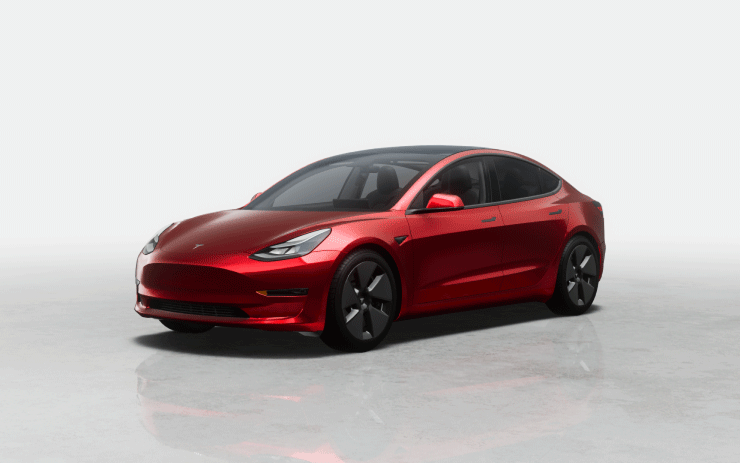
For now, Dynamic Headlight Leveling is appearing on specific Model 3 vehicles with 2026.38, and is likely limited to vehicles with the newer Matrix headlights that also supports Tesla’s Adaptive High Beams.
2026.38 also includes unspecified security fixes and improvements.
You can read the full 2026.38 release notes at the link below.

Always get the latest - make Drive Tesla your preferred source on Google
Are you buying a Tesla? If you enjoy our content and we helped in your decision, use our referral link to get three months of Full Self-Driving (FSD).Drive Tesla uses affiliate links, which means we may earn a commission if you make a purchase through them, at no additional cost to you. Thank you for your support.