The Cybercab is missing a piece of hardware found in every other modern EV, with the purpose-built robotaxi unable to plug into a conventional AC charger. But that doesn’t mean you won’t be able to charge a Cybercab at home, if and when Tesla decides to sell one to you.
Cybercab Ditches the Onboard Charger
Kyle Conner of Out of Spec confirmed the setup at the Cybercab launch in Austin last week, saying the vehicle does not have an onboard charger.
Also, yes to confirm it does not support AC charging. Perhaps if they ever sell a consumer version it would be needed but for fleet only, there’s no OBC – which is kind of cool for cost / durability optimization
— Kyle Conner (@itskyleconner) September 4, 2026
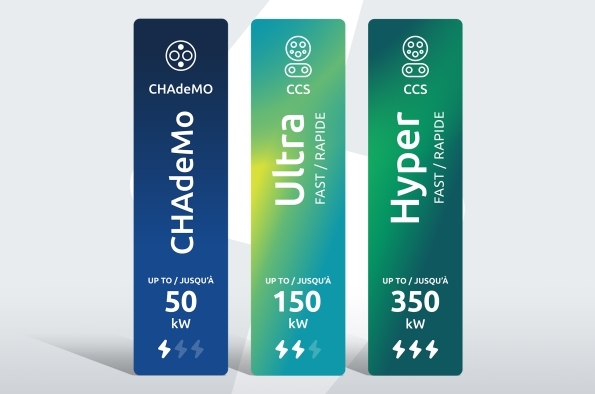
An onboard charger converts AC electricity from a home or Level 2 charging station into DC electricity that can be stored in the battery. For a purpose-built Robotaxi, Tesla can reduce weight, cost and complexity by not including this on a vehicle designed to spend its life in a commercial fleet plugging into Superchargers.

But That Doesn’t Mean No Home Charging
But no one has a Supercharger sitting in their driveway, so how would future Cybercab owners charge at home? Tesla could add an onboard charger to a consumer version, but the company doesn’t really need to do that.
Tesla has already confirmed Cybercab will support wireless inductive charging, something that will be particularly important for a vehicle designed to operate without a driver. Instead of having someone plug it in, Cybercab will be able to park over a charging pad and charge its battery automatically.
Robotaxi wireless charging
— Tesla (@Tesla) October 18, 2024
No hands required pic.twitter.com/XL746DkGhb
And while the Cybercab cannot accept AC power through a traditional charging port, its wireless charging system can still be supplied by AC power and handle the necessary conversion as part of that system.
Tesla has yet to confirm when Cybercab will be sold directly to individuals, but last week CEO Elon Musk hinted it would still happen before the end of the year, and be offered for less than $30,000. If that happens, the company could stick with wireless home charging and DC fast charging, or add conventional AC charging hardware. After all, installing a full-blown Supercharger at home isn’t a realistic alternative for obvious reasons – the power requirements and cost.

Always get the latest - make Drive Tesla your preferred source on Google
Are you buying a Tesla? If you enjoy our content and we helped in your decision, use our referral link to get three months of Full Self-Driving (FSD).Drive Tesla uses affiliate links, which means we may earn a commission if you make a purchase through them, at no additional cost to you. Thank you for your support.