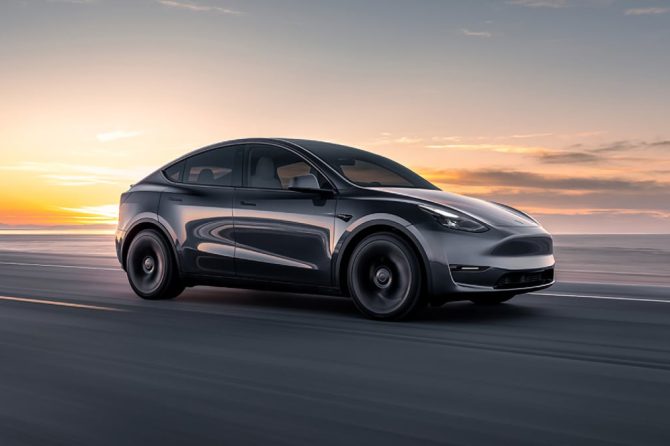
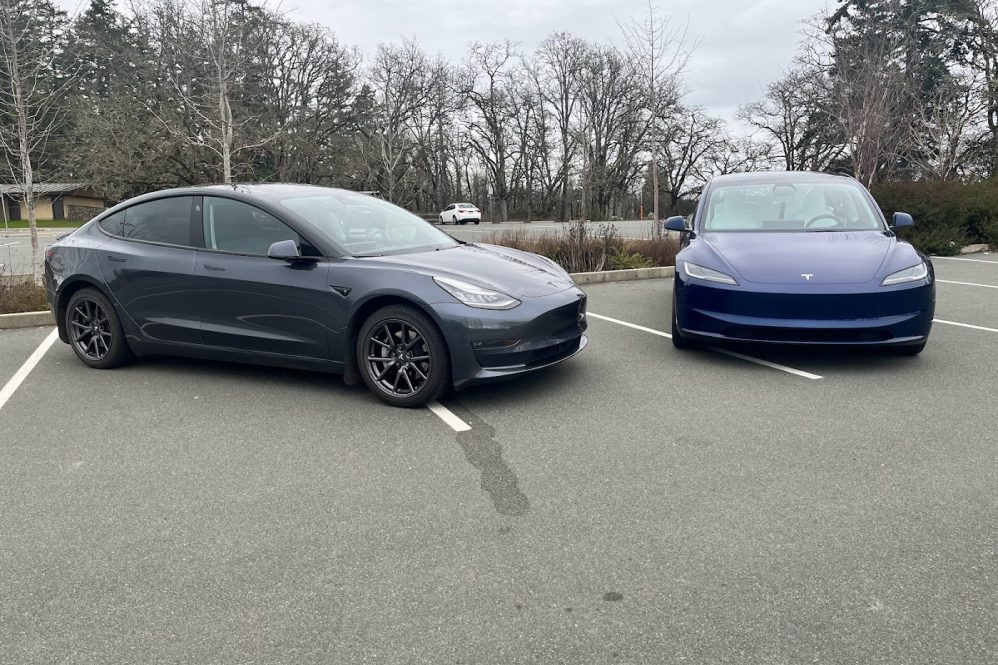
Tesla has earned a spot among the auto industry’s durability leaders. A new study analyzing more than 174 million vehicles found Tesla owners have a better chance of reaching 250,000 miles (402,000 km) than owners of several well-known brands, including Subaru, Mazda, Mercedes-Benz, BMW, and Porsche, despite lingering concerns among some buyers about EV battery longevity.
Tesla Cracks the Top Tier for Longevity
The study examined vehicle lifespan data across 32 automotive brands and estimated the probability of a vehicle reaching at least 250,000 miles. Unsurprisingly, Japanese automakers dominated the rankings.
Toyota led the industry with a 17.8% chance of reaching the milestone, followed by Lexus at 12.8%, Honda at 10.8%, and Acura at 7.2%.
After those four brands, however, the rankings become much closer. Tesla tied GMC for fifth place overall, with both brands posting a 4.6% probability of reaching 250,000 miles. While that figure sits just below the overall industry average of 4.8%, it places Tesla ahead of several brands often associated with premium engineering and quality.
Among the brands Tesla outperformed were Mazda, Subaru, Volvo, Mercedes-Benz, BMW, Audi, Porsche, and Land Rover.
For comparison, Subaru vehicles were found to have just a 2.3% chance of reaching 250,000 miles, meaning a Tesla was estimated to be twice as likely to hit the milestone.
| Rank | Brand | Chance of Reaching 250,000 Miles |
|---|---|---|
| 1 | Toyota | 17.8% |
| 2 | Lexus | 12.8% |
| 3 | Honda | 10.8% |
| 4 | Acura | 7.2% |
| 5 (tie) | GMC | 4.6% |
| 5 (tie) | Tesla | 4.6% |
| 7 | Chevrolet | 4.5% |
| 8 | Cadillac | 4.5% |
| 9 | Mazda | 3.6% |
| 10 | Ram | 3.5% |
Beating Traditional Luxury Brands
Tesla’s performance was even more impressive when looking exclusively at luxury automakers. In the luxury category, Lexus ranked first with a 12.8% chance of reaching 250,000 miles, followed by Acura at 7.2%. Tesla secured third place at 4.6%, ahead of Cadillac, Lincoln, Volvo, Mercedes-Benz, Porsche, BMW, Audi, Jaguar, and Maserati.
The luxury segment average was only 3.2%, meaning Tesla exceeded the category benchmark by a wide margin.
| Rank | Luxury Brand | Chance of Reaching 250,000 Miles |
|---|---|---|
| 1 | Lexus | 12.8% |
| 2 | Acura | 7.2% |
| 3 | Tesla | 4.6% |
| 4 | Cadillac | 4.5% |
| 5 | Lincoln | 3.4% |
| Luxury Average | Industry Average | 3.2% |
Why EVs May Have an Advantage
While EVs have often faced scrutiny over battery degradation, the study’s results highlight one of EV ownership’s biggest advantages: simplicity.
Unlike gasoline-powered vehicles, EVs eliminate many of the components that commonly wear out over time, including engines, fuel systems, timing chains, spark plugs, and oil-related components. With far fewer moving parts, long-term maintenance requirements can be significantly reduced.
That doesn’t mean EVs are maintenance-free, and battery replacement remains a concern for some owners. However, the data suggests modern electric vehicles may be more capable of achieving extreme mileage than many consumers expect.
Durability Matters More Than Ever
“The 2025 iSeeCars’ Longest-Lasting Brands list confirms how difficult it is to produce a car capable of lasting 250,000 miles,” said iSeeCars Executive Analyst Karl Brauer.
“While today’s design and engineering capabilities have extended the lifespan of every modern vehicle, producing cars capable of reaching a quarter-million miles remains a high bar for most automotive brands.”
For Tesla, the findings add another data point to an increasingly growing body of evidence that modern EVs can deliver not only efficiency and performance, but also the long-term durability needed to keep vehicles on the road for hundreds of thousands of miles.

Always get the latest - make Drive Tesla your preferred source on Google
Are you buying a Tesla? If you enjoy our content and we helped in your decision, use our referral link to get three months of Full Self-Driving (FSD).Drive Tesla uses affiliate links, which means we may earn a commission if you make a purchase through them, at no additional cost to you. Thank you for your support.