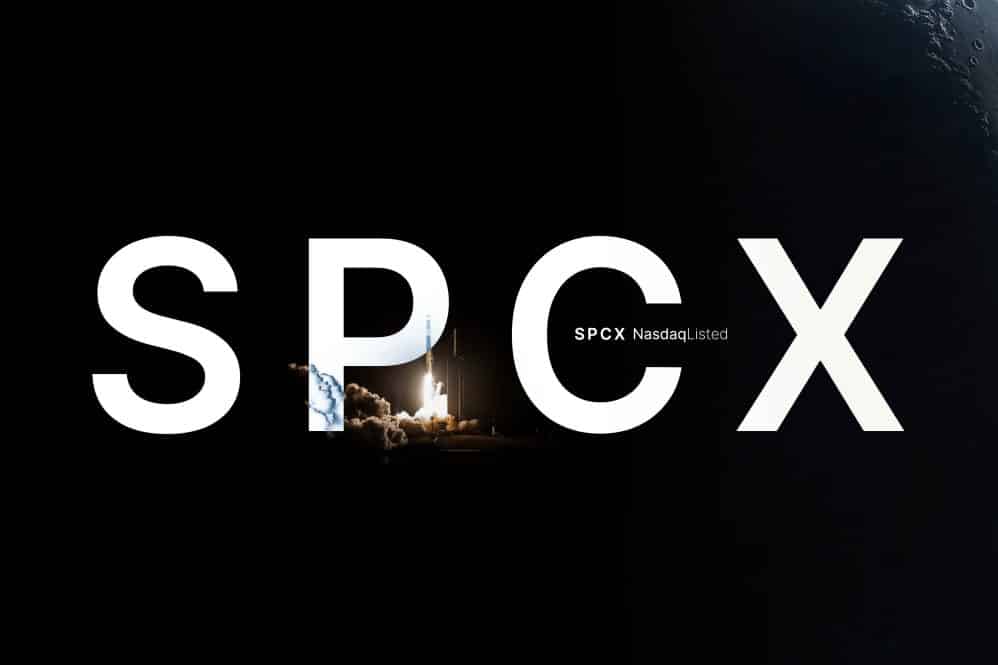
SpaceX (SPCX) officially began trading on the Nasdaq on Friday, and the company’s highly anticipated market debut immediately lived up to the hype.
Shares of the company opened at US$150 after initial pricing at US$135 in the largest initial public offering (IPO) in history. The stock quickly surged more than 20% in early trading, briefly touching as high as US$176 per share and giving SpaceX a market valuation exceeding US$2.2 trillion.
SpaceX ($SPCX) is up nearly 15% on trading debut 🚀 pic.twitter.com/G7XW9TehZF
— Drive Tesla 🇨🇦 (@DriveTeslaca) June 12, 2026
Thanks to his massive ownership stake in SpaceX, combined with his holdings in Tesla and other ventures, the blockbuster debut also pushed Musk into uncharted territory, becoming the first person ever to surpass a net worth of US$1 trillion – on paper.
A Record-Breaking IPO
SpaceX raised approximately US$75 billion through the offering after selling more than 555 million shares. The raise eclipsed the previous IPO record set by Saudi Aramco in 2019 and instantly became one of the most significant events in financial market history.
Enthusiasm was fueled by SpaceX’s position in several rapidly growing industries, including commercial spaceflight, satellite internet, artificial intelligence (AI), and future space infrastructure projects. The company operates the world’s largest satellite internet network through Starlink while also dominating the global launch market with its reusable Falcon rockets.
Unlike most IPOs, SpaceX also allocated a larger-than-normal percentage of shares to retail investors. While typical public offerings reserve only a small portion of shares for individual investors, reports indicate SpaceX made more than 20% of its IPO shares available to retail buyers.
Funding Ambitious Future Plans
The IPO comes as SpaceX seeks additional capital to fund some of its most ambitious projects yet. Speaking during the company’s Nasdaq debut ceremony from Starbase in Texas, Musk reiterated the company’s long-term vision.
“Not just a few astronauts, I mean literally you,” Musk said. “Whoever you are watching this, SpaceX wants to be able to take you to the moon, take you to Mars and ultimately beyond.”
Beyond Mars colonization plans, SpaceX has outlined goals that include expanding Starlink, deploying space-based data centres, and growing its artificial intelligence initiatives.
Those ambitions come with a hefty price tag. Financial filings show SpaceX lost approximately US$8.7 billion between the beginning of 2025 and March 31, 2026 as it continued investing heavily in future growth.
What’s Next for SpaceX Stock?
Another factor drawing investor attention is the likelihood of SpaceX joining major stock market indexes far sooner than most newly public companies.
Recent Nasdaq rule changes could allow SpaceX to enter the Nasdaq-100 after just 15 trading days due to its enormous market capitalization. If added, index funds tracking the benchmark would be required to purchase shares, potentially creating additional demand for the stock.
While some have questioned whether SpaceX’s valuation is justified, investors appear willing to bet that the company can repeat the disruptive success Musk previously achieved with Tesla.
Whether SpaceX can ultimately deliver on its long-term vision remains to be seen, but its first day as a public company has already secured a place in financial history.

Always get the latest - make Drive Tesla your preferred source on Google
Are you buying a Tesla? If you enjoy our content and we helped in your decision, use our referral link to get three months of Full Self-Driving (FSD).Drive Tesla uses affiliate links, which means we may earn a commission if you make a purchase through them, at no additional cost to you. Thank you for your support.