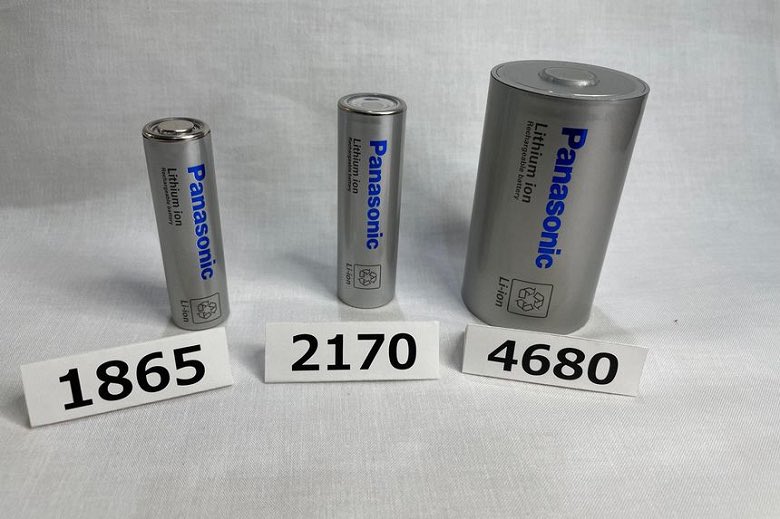
Panasonic has been working on developing a prototype of Tesla’s 4680 battery cell since the new form factor was announced at Battery Day in 2020.
The Japanese electronics maker unveiled their first prototype late last year in Tokyo, Japan, saying at the time they expected to begin production in 2022.
Tesla launches significant hiring spree for 4680 battery cell pilot production line in Fremont
According to a new report, Panasonic appears to be on schedule and will begin mass production of Tesla’s new battery in 2023.
Nikkei Asia says that the company will be spending around 80 billion yen ($704 million) to expand their production facility in Japan’s Wakayama prefecture in order to do so.
The expansion will add extra space for the new production equipment, which is expected to produce around 10 gigawatt hours (GWh) per year, or enough for about 150,000 EVs.
The report did not say when the expansion will be complete, but said initial low volume production will begin this year to iron out any kinks ahead of mass production in 2023.
Panasonic isn’t the only company that has shown interest in production 4680 cells for Tesla. Samsung, LG, and CATL have also said they plan to partner with the automaker to produce the new cells.

Always get the latest - make Drive Tesla your preferred source on Google
Are you buying a Tesla? If you enjoy our content and we helped in your decision, use our referral link to get three months of Full Self-Driving (FSD).Drive Tesla uses affiliate links, which means we may earn a commission if you make a purchase through them, at no additional cost to you. Thank you for your support.