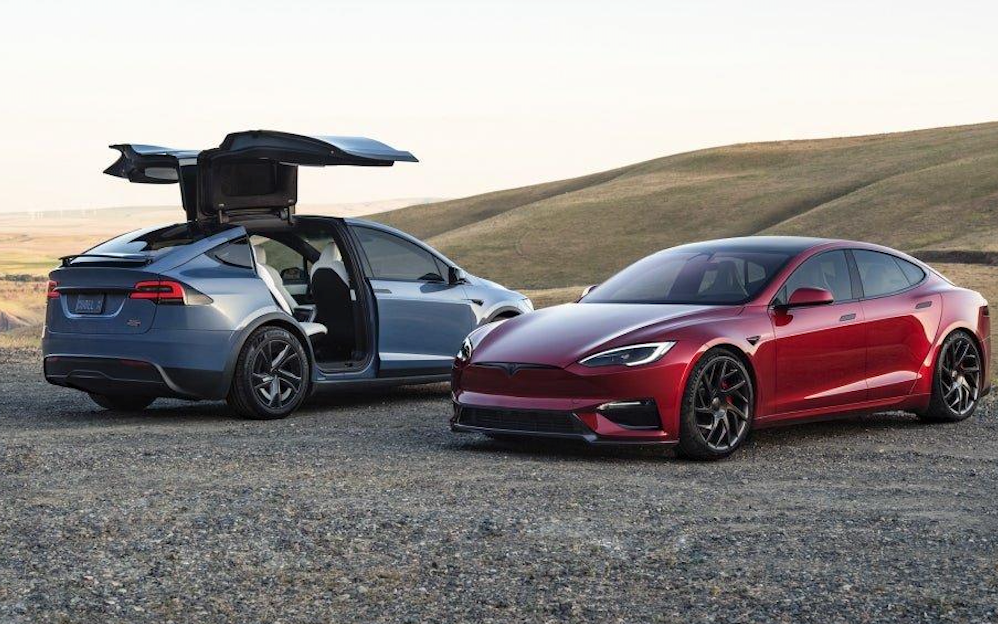
Tesla’s decision to discontinue the flagship Model S and Model X was not simply about weak demand or cutting costs. According to Tesla executives, the move was driven by a combination of aging vehicle architecture, increasingly strict safety regulations, and the company’s shift toward future projects like the Cybercab, Optimus, and Semi.
However, despite production ending this month, Tesla is also making it clear the door is not fully closed on the two iconic vehicles.
Speaking on the Ride the Lightning podcast, Tesla Vice President of Vehicle Engineering Lars Moravy explained that the company faced mounting challenges trying to modernize the S/X platform, which dates back to the late 2000s. While both vehicles received refreshes over the years, Moravy admitted the underlying platform had reached its limits.
According to Moravy, the biggest issue appeared to be the cost and complexity of redesigning the vehicles to meet evolving global crash safety requirements. Europe’s increasingly strict safety standards were specifically pointed out, with Moravy noting Tesla had already added what he described as “band-aids along the way” to keep the vehicles compliant. Eventually, the company concluded the Model S and Model X would require a near ground-up redesign.
At the same time, Tesla’s priorities were shifting. Moravy said the company is currently investing heavily in autonomous driving, the upcoming Cybercab robotaxi platform, the Optimus humanoid robot, and ramping up production of the Tesla Semi. With that in mind, Tesla ultimately decided Fremont factory space and engineering resources would be better utilized supporting those next-generation programs instead of rebuilding two low-volume luxury vehicles.
Tesla even considered a complete redesign around 2020, but the project reportedly lost momentum as newer initiatives took priority. Moravy also highlighted manufacturing efficiency concerns, saying newer production methods used for vehicles like the Cybercab are dramatically more efficient than the aging S/X production lines.
Despite the discontinuation, Moracy said the company is leaving room for a possible comeback.
“It was just like, now is not the right time to keep this one going. It doesn’t mean it goes away forever. I never say never,” Moravy said.
Moravy repeatedly avoided ruling out future versions of the vehicles, suggesting Tesla could eventually revisit the premium sedan and SUV segment once its newer projects are established. If they do return, however, it likely would not simply be another refresh.
Instead, Moravy hinted any future Model S or Model X would need to be rebuilt from scratch using Tesla’s next-generation manufacturing technology.

Always get the latest - make Drive Tesla your preferred source on Google
Are you buying a Tesla? If you enjoy our content and we helped in your decision, use our referral link to get three months of Full Self-Driving (FSD).Drive Tesla uses affiliate links, which means we may earn a commission if you make a purchase through them, at no additional cost to you. Thank you for your support.