Tesla is continuing to expand its Virtual Power Plant (VPP) programs, this time bringing the initiative to the U.S. Virgin Islands through a new partnership with the Virgin Islands Energy Office (VIEO).
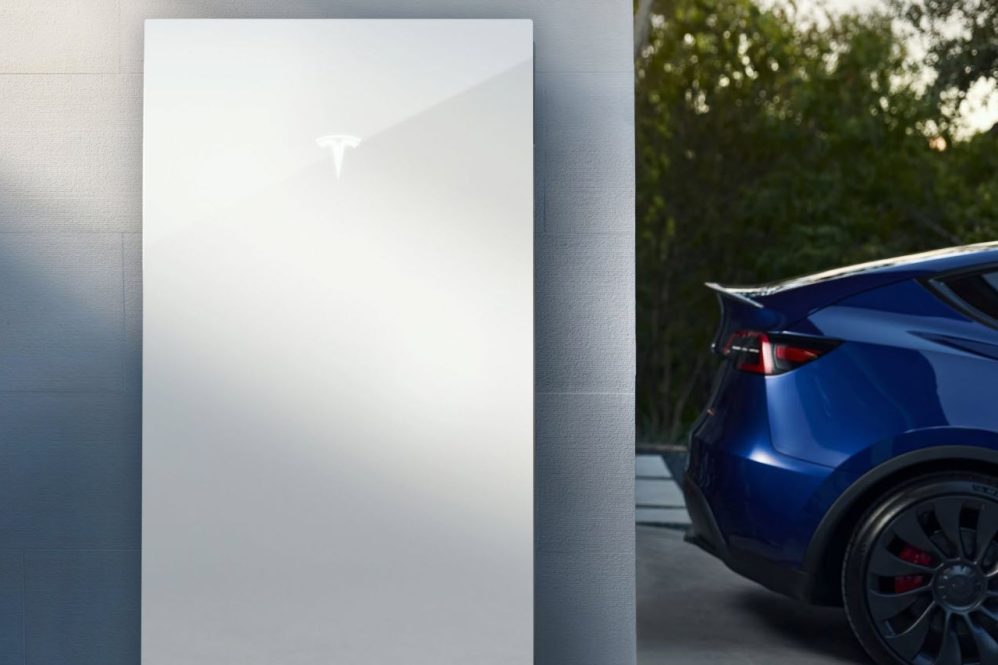
The new program, called VIBES 2.0, allows Tesla Powerwall owners across the territory to help stabilize the local electrical grid while earning financial incentives in return.
The announcement was made by Tesla’s Energy division on X, confirming that the Tesla Virtual Power Plant is now officially available in the U.S. Virgin Islands.
Tesla Virtual Power Plant is now available in the U.S. Virgin Islands
— Tesla Energy (@teslaenergy) May 15, 2026
Powered by the Virgin Islands Energy Office's VIBES 2.0 program pic.twitter.com/iEVfXD0EYB
How Tesla Virtual Power Plants work
Virtual Power Plants have become an increasingly important part of Tesla’s energy strategy in recent years. Rather than relying solely on large-scale utility infrastructure, VPPs combine thousands of home batteries into a coordinated network that can collectively supply electricity back to the grid during periods of high demand.
Tesla already operates similar programs in places like California, Texas, Puerto Rico, Australia, and parts of Canada, helping utilities reduce strain on aging infrastructure while improving resiliency during emergencies.
Why the U.S. Virgin Islands are a good fit
The U.S. Virgin Islands are a particularly strong fit for a program like this. As an island territory, the region faces unique energy challenges, including higher electricity costs, vulnerability to hurricanes, and limited grid redundancy. Programs like VIBES 2.0 are designed to reduce those risks by creating a distributed network of backup energy resources across homes and communities.
Powerwall owners earn incentives
According to Tesla’s program details, Powerwall owners who enroll can receive a one-time incentive payment of $500 per Powerwall, for up to four units. Participants can also earn ongoing quarterly payments of $125 per Powerwall, translating to as much as $500 annually per battery in additional compensation.
The program works by allowing Tesla to temporarily draw energy from enrolled Powerwalls during grid support events. These events are expected to occur no more than 50 times per year, with each event lasting between two and six hours. Tesla says owners will still maintain backup protection during outages through a built-in reserve setting that defaults to 50% battery capacity, though owners can adjust that threshold if they want to keep more stored power for themselves.
Tesla’s energy ambitions
Tesla’s growing VPP footprint highlights how the company increasingly views its energy business as more than just solar panels and batteries. By networking Powerwalls together, Tesla is effectively creating decentralized energy utilities capable of responding to demand spikes faster than traditional power plants.
For regions prone to outages and grid instability, that could become one of the most valuable parts of Tesla’s energy ecosystem.

Always get the latest - make Drive Tesla your preferred source on Google
Are you buying a Tesla? If you enjoy our content and we helped in your decision, use our referral link to get three months of Full Self-Driving (FSD).Drive Tesla uses affiliate links, which means we may earn a commission if you make a purchase through them, at no additional cost to you. Thank you for your support.