
Tesla has now clarified what its sudden FSD (Supervised) Transfer Program update actually means, and unfortunately it is not good news for customers.
As we reported yesterday, Tesla revised its eligibility language to state that customers must “take delivery of your new Tesla vehicle by March 31, 2026.”
That replaced the previous wording, which said customers only need to “place an order for a new Tesla vehicle by March 31, 2026” to qualify for transferring FSD.
This abrupt and significant update led to questions about when the policy change took effect. Now, Tesla has clarified how it will handle existing orders.
What Happens to Orders Placed Before the Policy Change?
According to Tesla’s updated guidance shared with Sawyer Merritt, there are a number of scenarios to consider.
Tesla will honour FSD transfer if:
- your original delivery window was on or before March 31, 2026.
- your delivery slips into April 2026 due to a delay caused by Tesla.
Tesla will not honour FSD transfer if:
- the original delivery estimate was beyond March 31, 2026 at the time the order was placed.
- your delivery window is beyond March 31, 2026, or you cannot take delivery by that date, but Tesla will offer a refund of the $250 order fee.
That clarification provides some protection for buyers already close to delivery. However, it effectively shuts the door on everyone else — including all Cybertruck AWD orders that were never going to see a delivery before the deadline.
Why This Hits Cybertruck Buyers Hard
The updated policy lands hardest on customers who placed $59K Cybertruck AWD orders under the assumption they could transfer their previously purchased FSD at delivery.
Many buyers interpreted Tesla’s earlier language, and rightfully so, to mean that placing an order before March 31, 2026 was sufficient. With delivery estimates stretching well into 2027, customers believed they were locking in transfer eligibility.
That however no longer applies. Tesla has always included a disclaimer stating that “The FSD (Supervised) Transfer Program is subject to change or end at any time.” Still, the retroactive nature of this clarification does not look good on the company, which has been making many questionable decisions lately.
What Tesla Should Do
Tesla should honour the transfer terms in effect at the time orders were placed. Yes, terms can change at any time, but what should count are the terms in effect when those orders were placed. This is especially the case for those customers that cannot take delivery before March 31, 2026, even if they wanted to, aka Cybertruck AWD buyers.
Tesla is offering refunds of the $250 order fee as a token gesture for those who no longer qualify, but that doesn’t make it right and this situation feels like a classic bait-and-switch.
For now, the company’s position is clear: delivery must occur by March 31, 2026 for FSD transfer eligibility, with limited exceptions for Tesla-caused delays.
Customers with questions are encouraged to contact their Tesla sales advisor for confirmation specific to their order.

Always get the latest - make Drive Tesla your preferred source on Google
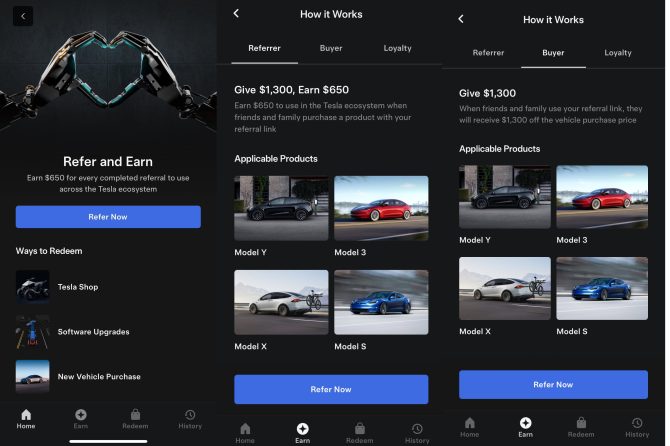
Are you buying a Tesla? If you enjoy our content and we helped in your decision, use our referral link to get three months of Full Self-Driving (FSD).Drive Tesla uses affiliate links, which means we may earn a commission if you make a purchase through them, at no additional cost to you. Thank you for your support.