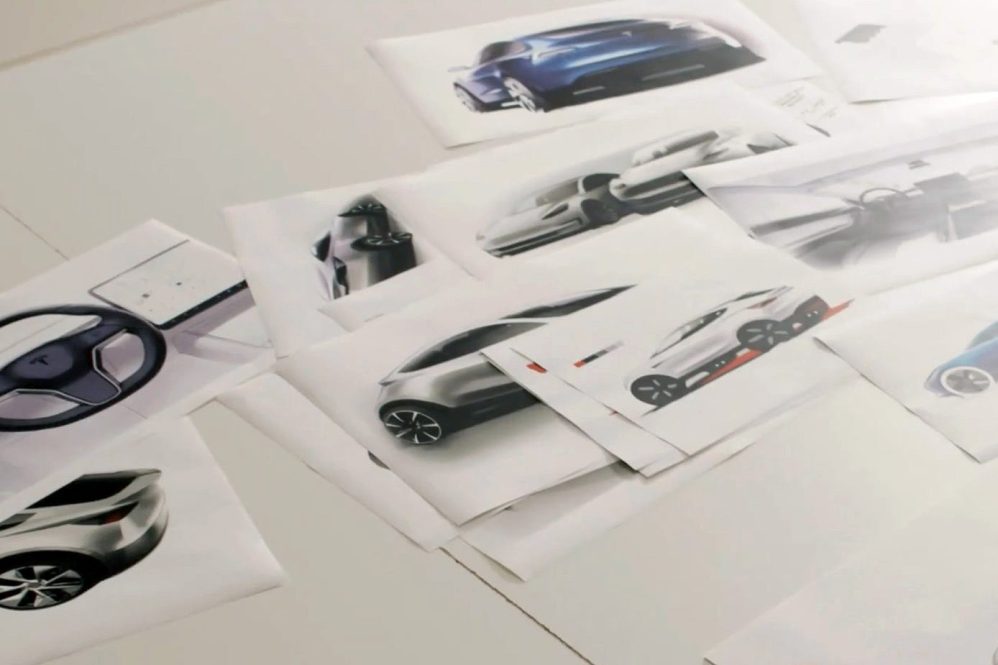
Tesla may not have given up on building a truly affordable EV after all, as a new report suggests the automaker is working on a smaller, lower-cost electric SUV aimed at expanding its lineup to more budget-conscious buyers.
The report comes from Reuters, citing four people familiar with the plans, who say Tesla is developing an all-new compact electric SUV designed to come in significantly cheaper than its current entry-level models. The project, still in early stages, could mark a notable shift in strategy after the company previously shelved its low-cost vehicle ambitions.
According to those sources, the new SUV would be smaller, lighter, and more affordable than both the Model 3 and Model Y. Measuring roughly 4.28 metres (about 14 feet) in length, it would be considerably shorter than the Model Y (15.7 feet), while also shedding weight—around 1.5 metric tons compared to roughly 2 tons for the Model Y.
To hit a lower price point, Tesla is reportedly planning to equip the vehicle with a smaller battery pack and a single electric motor. While that would likely reduce driving range compared to existing models, it would also significantly cut production costs—one of the key barriers to delivering a mass-market EV.
Production is expected to begin at Giga Shanghai, with potential expansion to North America and Europe further down the line. However, the timeline remains unclear, and the sources indicated the vehicle is unlikely to enter production before 2027, if it receives final approval at all.
If this report is accurate, it would be a notable switch in direction for the company. Despite denials, CEO Elon Musk scrapped the company’s long-rumoured $25,000 EV in 2024—often referred to as the “Model 2”—arguing that building affordable cars for human drivers would soon be “pointless” in a world dominated by autonomous robotaxis.
Instead, Tesla pivoted toward its Cybercab program and released lower-cost versions of existing vehicles, trimming features in the ‘Standard’ versions rather than introducing a truly new, budget-friendly model. Those efforts, however, failed to significantly lower entry prices or meaningfully boost demand.
Interestingly, one source suggested the new compact SUV could serve a dual purpose—designed for autonomy but still offering traditional driver controls. That approach would allow Tesla to continue pursuing its long-term Robotaxi vision while acknowledging that widespread regulatory approval and consumer adoption of fully autonomous vehicles may still be years away, something which we have argued is a major barrier for the Cybercab, which is supposed to enter production this month.
News of this more affordable SUV comes just a few weeks after Elon Musk teased that the company is working on something “way cooler than a minivan.”

Always get the latest - make Drive Tesla your preferred source on Google
Are you buying a Tesla? If you enjoy our content and we helped in your decision, use our referral link to get three months of Full Self-Driving (FSD).