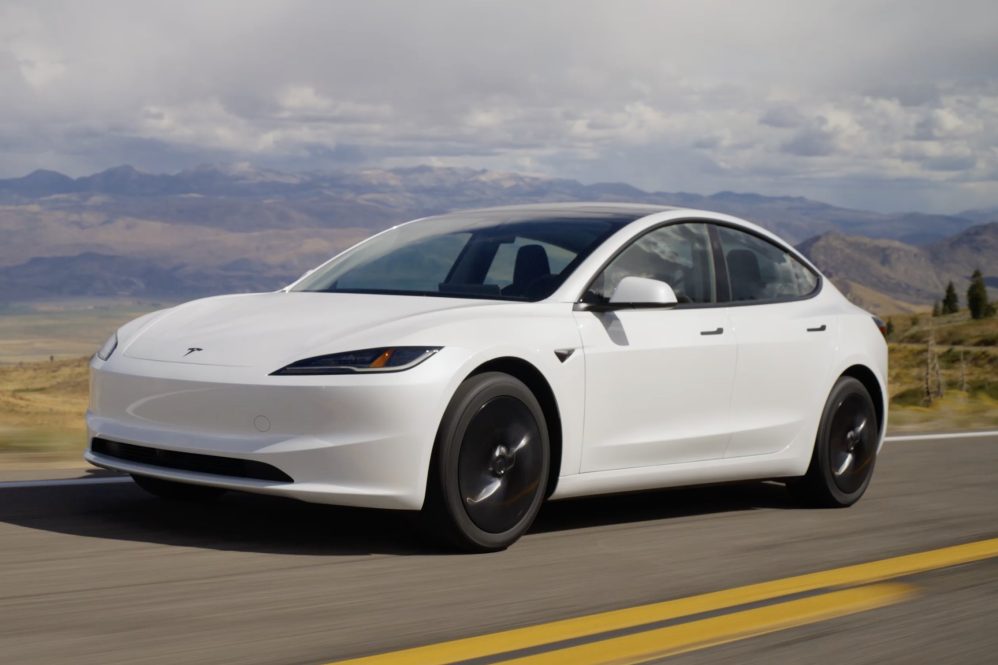
A new study of nearly 10,000 battery health tests has found that not all electric vehicle (EV) batteries age the same. When it comes to Tesla, the CATL-supplied LFP pack is the clear leader for long-term capacity retention.
The data comes from Swedish used EV retailer Carla, which looked at 9,954 AVILOO battery tests performed between 2022 and 2026 on vehicles sold through the Swedish used car market.
The study compared battery health after more than 100,000 kilometres (62,000 miles), providing one of the largest real-world datasets of its kind.
Among Tesla Model 3 variants, the Rear-Wheel Drive (RWD) variant equipped with the 60.5 kWh CATL lithium iron phosphate (LFP) battery retained an average of 93.3% of its original capacity. That was enough to rank eighth overall among all EVs included in the study.
The results also highlighted noticeable differences between the Model 3’s other battery suppliers:
- CATL 60.5 kWh LFP: 93.3% battery health
- LG Energy Solution 78.8 kWh: 91.5%
- Panasonic 77.8 kWh: 89.8%
- Panasonic 52.4 kWh: 88.2%
The study also looked at Tesla’s other vehicles. The 96-cell battery packs used in the Model S and Model X performed similarly, retaining an average of 92.8% and 92.5% of their original capacity, respectively, after more than 100,000 km.
Meanwhile, the LG Energy Solution battery used in the Model Y averaged 92.2% battery health, placing it just behind the newer LG-equipped Model 3 pack.
LFP chemistry continues to impress
The findings add to growing real-world evidence that LFP batteries tend to experience slower degradation than nickel-based chemistries. While LFP cells generally offer lower energy density, they are known for their thermal stability, durability, and ability to better withstand frequent charging cycles.
That doesn’t necessarily make them the best choice for every application however, as nickel-based batteries continue to offer longer driving range and stronger performance. But for owners focused on longevity, the data behind LFP is hard to ignore.
Battery health remains strong across the industry
The broader study also found that modern EV batteries are proving far more durable than many buyers expect. The top-performing vehicles, including the Kia e-Niro and Hyundai Kona Electric, retained more than 97% of their original battery capacity after exceeding 100,000 kilometres.
Carla says the results reinforce that battery condition should still be checked when shopping for a used EV, but the overall outlook remains encouraging. Even after years of driving, most modern electric vehicles continue to retain well over 90% of their original battery capacity, suggesting battery degradation is becoming less of a concern than many prospective buyers fear.

Always get the latest - make Drive Tesla your preferred source on Google
Are you buying a Tesla? If you enjoy our content and we helped in your decision, use our referral link to get three months of Full Self-Driving (FSD).Drive Tesla uses affiliate links, which means we may earn a commission if you make a purchase through them, at no additional cost to you. Thank you for your support.