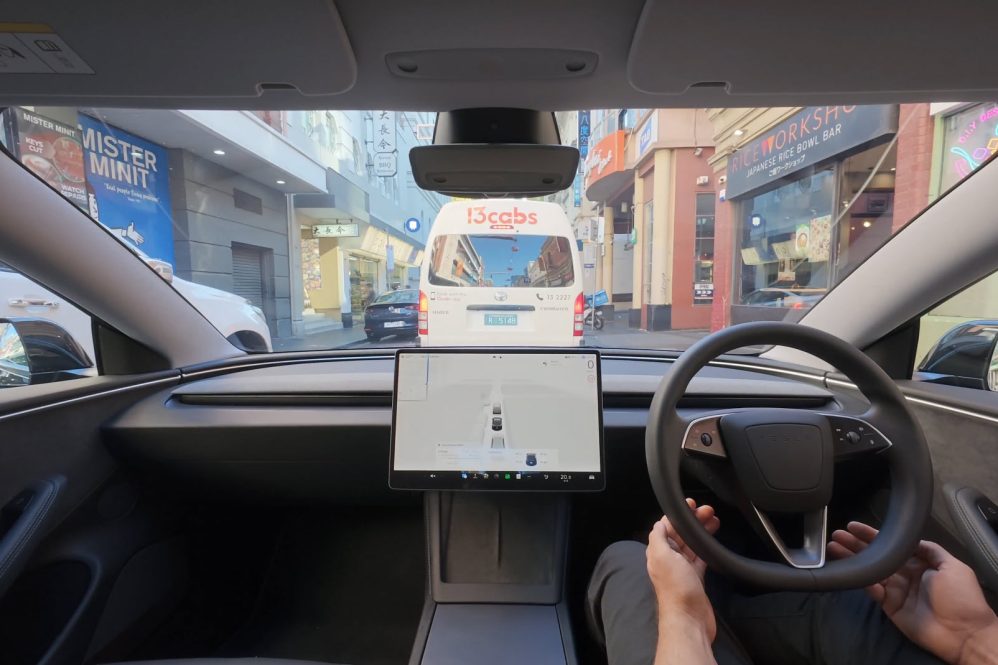
Tesla is facing another legal challenge in Australia as a new case is moving forward alleging the company misrepresented the capabilities of its Full Self-Driving (FSD) software, particularly for customers who paid thousands of dollars for features that remain limited or unavailable.
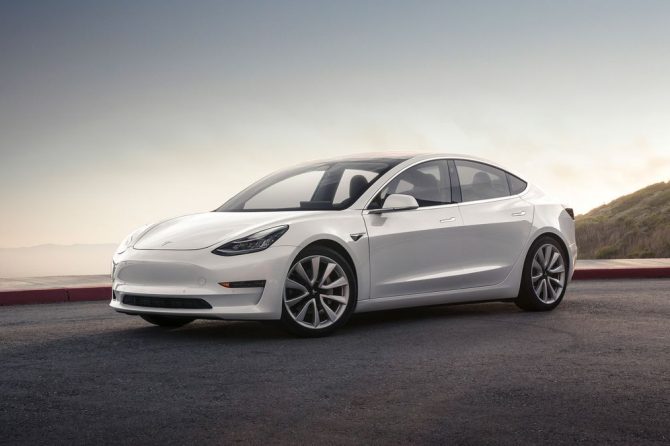
The latest claim comes from a Model 3 owner named Andy Young, who filed his lawsuit with the New South Wales Civil and Administrative Tribunal . The case alleges Tesla engaged in misleading or deceptive conduct by selling lifetime access to FSD for AUD$10,100 despite failing to deliver the promised functionality years after purchase.
Young is seeking not only a refund for the software, but also compensation tied to additional costs incurred as a result of the purchase. According to the filing, the higher vehicle price pushed the buyer above eligibility thresholds for government incentives and triggered additional taxes, including luxury car tax—expenses he argues would have been avoided had the FSD package not been included. (via Sydney Morning Herald)
Tesla attempted to have the case dismissed or paused, arguing the owner was already covered under a broader class action filed in Australia’s Federal Court last year. However, the tribunal rejected that argument, allowing the individual claim to proceed independently. The decision opens the door for faster resolution at the individual level, even as the larger class action continues to work its way through the courts.
That class action, launched in 2025, alleges the automaker overstated the capabilities of its vehicles across several areas, including driver-assistance performance, advertised driving range, and the readiness of its self-driving hardware. That case specifically targets Model 3 and Model Y vehicles built from 2021 onward equipped with Tesla Vision.
Legal scrutiny over Tesla’s Full Self-Driving claims is not limited to Australia. In the United States, Tesla has already faced a regulatory setback over how it markets its driver-assistance systems. In December 2025, the California Department of Motor Vehicles (DMV) ruled that Tesla violated state law by using terms like “Autopilot” and “Full Self-Driving Capability,” finding that the language was misleading and amounted to false advertising. The ruling followed a lengthy legal battle and included the possibility of suspending Tesla’s license to sell vehicles in California for up to 30 days if the company failed to comply.
Tesla ultimately made changes to its marketing—removing Autopilot from new vehicle sales and adding clearer disclaimers that driver supervision is required—to avoid penalties, but has since filed a lawsuit seeking to overturn the designation.