
Chinese automaker Chery is quietly laying the groundwork for a Canadian market entry, just days following Ottawa’s decision to roll back tariffs on Chinese-made electric vehicles (EVs).
According to a report from The Globe and Mail, Chery Automobile Co. Ltd. has begun recruiting Canadian automotive industry veterans, signaling plans to build a full domestic sales operation from the ground up. Recruiters have reportedly reached out via LinkedIn to candidates with experience across the Canadian auto sector, referencing roles tied to Chery’s sub-brands Omoda and Jaecoo, and describing the effort as a “long-term decision to invest and grow its business in Canada.”
The timing is no coincidence. Last week, Prime Minister Mark Carney finalized a trade agreement with Beijing that slashed Canada’s 100% tariff on Chinese EVs to 6.1%, provided imports stay within a capped quota. Under the deal, Canada will allow 49,000 Chinese-built EVs to enter annually at the lower tariff rate, with that cap gradually rising to 70,000 vehicles within five years.
In exchange, China agreed to reduce retaliatory duties on key Canadian exports such as canola and seafood, while also committing to explore new automotive investments in Canada. Ottawa has said compliance and investment progress will be reviewed within three years.
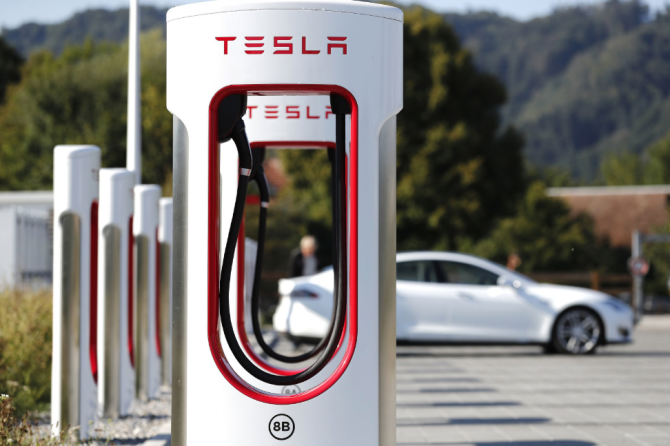
While Tesla has previously China-built vehicles in Canada, Chery could be among the first Chinese passenger-car manufacturers to attempt a mainstream retail presence. Industry sources cited by The Globe say the company is planning to establish a Canadian headquarters in the Toronto area, mirroring the aggressive recruitment-driven strategy used by VinFast during its 2022 entry into Canada.
Chery sold approximately 2.6 million vehicles globally in 2025, making it China’s third-largest automaker by volume. Its broader group has set a 2026 sales target of 3.2 million vehicles across multiple brands, a level of output that could support both near-term imports and longer-term assembly plans.
According to The Globe, Industry Minister Mélanie Joly met with executives from both Chery and BYD during a recent trade mission to China, highlighting Ottawa’s willingness to engage directly with Chinese manufacturers as part of this redesigned market-access framework.
The shift has not been without controversy. Ontario Premier Doug Ford has warned that the deal risks undermining domestic auto production.