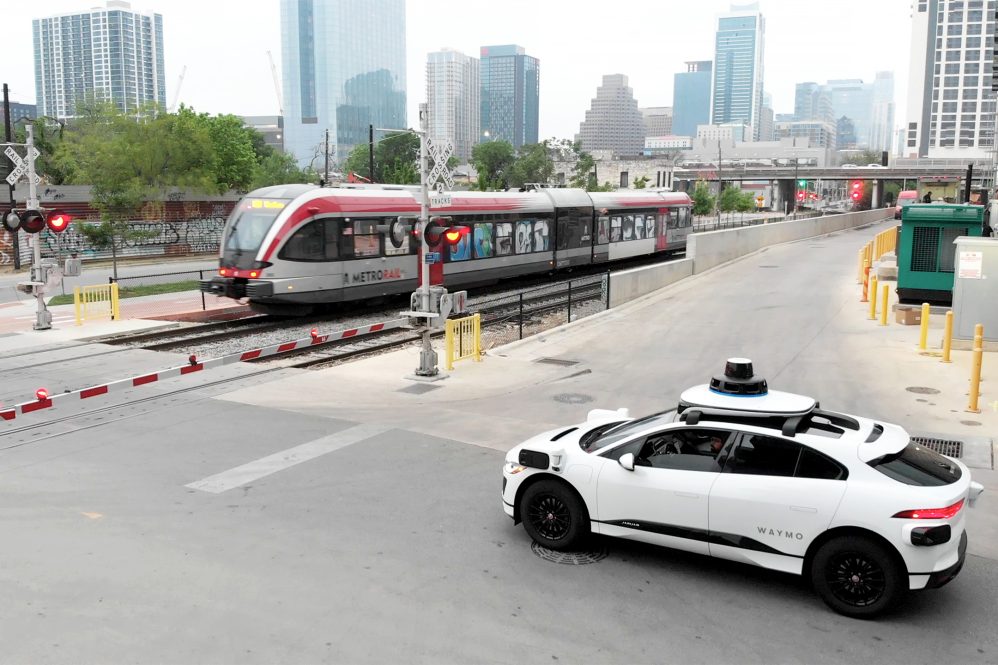
Waymo has hit another major milestone, announcing this week that it has now completed more than 20 million fully autonomous trips with public riders.
The update, shared directly by the company on social media, highlights just how quickly adoption of robotaxi services is accelerating in select U.S. cities.
20 million. That’s how many times you’ve trusted Waymo to get you where you’re going.
— Waymo (@Waymo) December 17, 2025
Today, we’ve officially surpassed 20 million fully autonomous trips with public riders! Thank you to everyone who helped make this a reality. pic.twitter.com/O235rcKcfR
What makes the achievement particularly notable is the pace at which Waymo has scaled. Just seven months ago, in May 2025, the Alphabet-owned autonomous driving company was celebrating 10 million robotaxi trips. That figure itself had doubled in roughly five months.
The leap from 10 million to 20 million in an even shorter window highlights a sharp rise in demand paired with expanding operating areas.
Waymo has also disclosed that it is delivering more than 250,000 paid robotaxi trips per week, a figure that helps explain how quickly cumulative ride counts are climbing.
Waymo’s rapid trip growth is being fueled by an aggressive expansion plan that has dramatically widens its geographic reach. The company has confirmed it intends to launch its robotaxi service in several new U.S. cities in 2026, targeting major population centres and high-demand ride-hailing markets. Confirmed locations include Dallas, Denver, Detroit, Houston, Las Vegas, Miami, San Diego, and Washington, D.C.
International expansion is also now firmly on Waymo’s roadmap. The company is preparing for its first overseas robotaxi launch in London, currently targeted for 2026. At the same time, Waymo has been training vehicles in Tokyo for the past several months.
This expansion is also leading to the company becoming more valuable. As we told you earlier this week, Waymo is seeking a $100 billion valuation in its latest funding round, which seeks to raise as much as $15 billion.