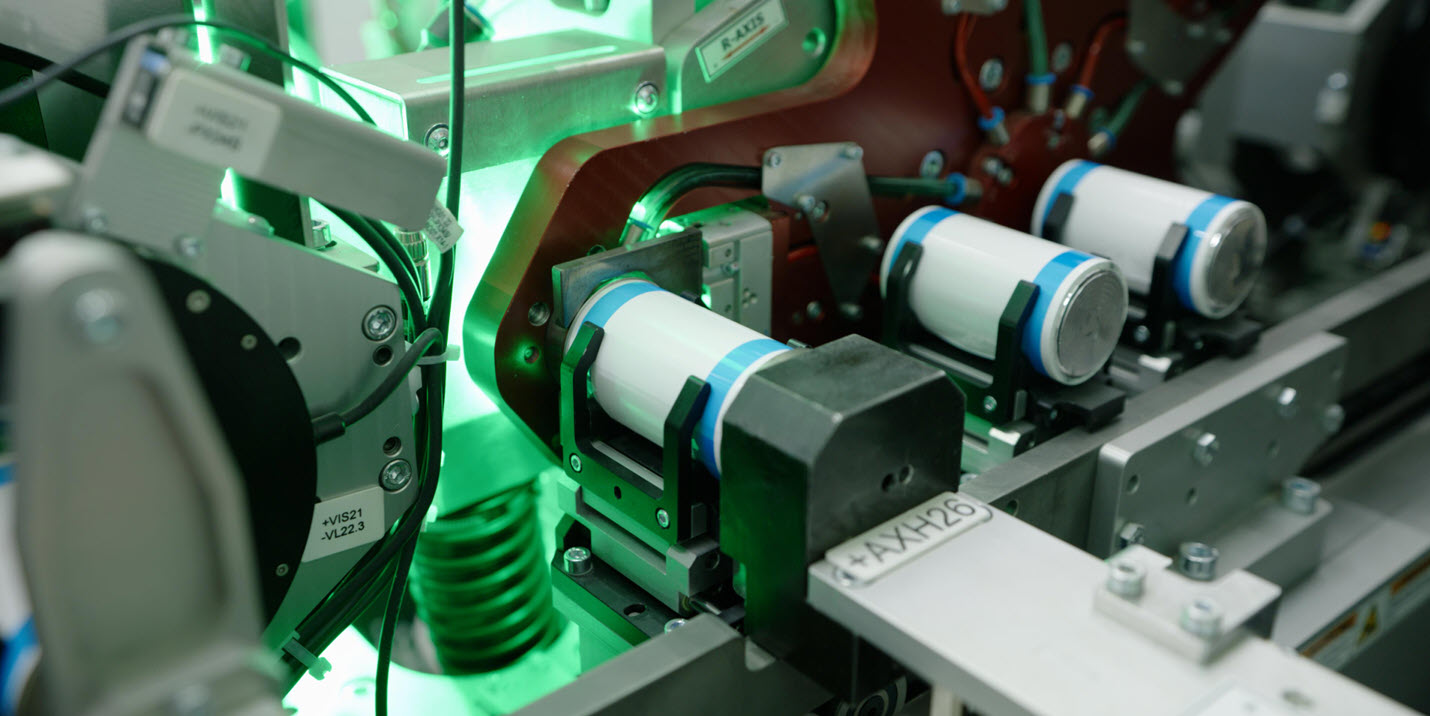
Tesla and Matthews International are once again publicly clashing over dry battery electrode (DBE) technology, with both sides claiming victory after a recent arbitration ruling tied to their ongoing legal dispute.
The conflict stems from a lawsuit Tesla filed in June 2024 in the U.S. District Court for the Northern District of California. In that filing, the automaker accused Matthews International, a Pittsburgh-based manufacturing supplier, of stealing trade secrets related to Tesla’s dry electrode battery technology, a key component of its 4680 battery cells.
Tesla alleged that Matthews violated non-disclosure agreements by using confidential information obtained during their partnership to develop similar equipment and technologies for other companies. The automaker claimed Matthews incorporated Tesla’s proprietary designs and software into machinery sold to competitors and even attempted to claim ownership through patent filings.
The lawsuit sought more than $1 billion in damages and a court order preventing Matthews from using or disclosing Tesla’s trade secrets.
Now, nearly two years later, both companies are interpreting a recent arbitration decision in dramatically different ways.
In a press release issued Monday, Matthews said an arbitrator had reaffirmed its right to continue selling its own dry battery electrode equipment. According to the company, the February 13 interim decision rejected Tesla’s attempt to broadly block Matthews from developing and marketing DBE technology.
Matthews said the arbitrator denied Tesla’s request for sweeping injunctive relief and instead issued what the company described as a narrow restriction related to certain machine components.
“Instead, the interim decision includes a narrow injunction preventing Matthews from using certain parts in dry battery electrode machines,” the company said, adding that replacement parts are already available and that the decision is “not expected to materially impede Matthews’ operations or sales.”
The supplier also emphasized that it holds multiple patents covering DBE-related technology and intends to continue supplying battery manufacturing equipment to customers as the EV industry expands.
Tesla, however, strongly disputed Matthews’ characterization of the ruling.
Bonne Eggleston, VP of Tesla’s 4680 program, said the decision actually confirmed that Matthews had misused Tesla’s technology and that the company has already secured a permanent injunction preventing further violations.
“Buyer beware: Matthews International stole Tesla’s DBE technology and is now subject to an injunction and liable for damages,” Eggleston wrote in a statement posted on X.
Eggleston added that Tesla had caught Matthews “red-handed copying our technology—including proprietary software and sensitive mechanical designs—into products for other customers.”
“For three years they lied about it, tried to hide their dishonesty, and continued to ship our technology to others,” Eggleston said. “Recently, we obtained a permanent injunction preventing further theft from Tesla, with financial damages to be computed.”
The Tesla executive also rejected Matthews’ claims of patent ownership, saying the dispute over those filings remains ongoing.
With damages still to be determined and the broader lawsuit continuing, the dispute between Tesla and Matthews appears far from over.
Buyer beware: Matthews International stole Tesla's DBE technology and is now subject to an injunction and liable for damages.
— Bonne Eggleston (@BonneEggleston) March 10, 2026
During our work with Matthews, we caught them red-handed copying our technology—including proprietary software and sensitive mechanical designs—into… https://t.co/Toc8ilakeM