Tesla is expanding one of its most useful navigation features, bringing Live Site View Maps to additional Supercharger locations across California. Originally launched as a pilot at just 18 stations, the feature is now appearing at several more stations, giving drivers a detailed, real-time look at site layouts and stall availability before they arrive.
First introduced as part of Tesla’s 2025 holiday software update, the Live Site View Maps feature debuted at just 18 pilot locations, including 17 sites in California and one in Texas. Since then, Tesla has begun rolling out the feature to additional high-traffic Supercharging stations.
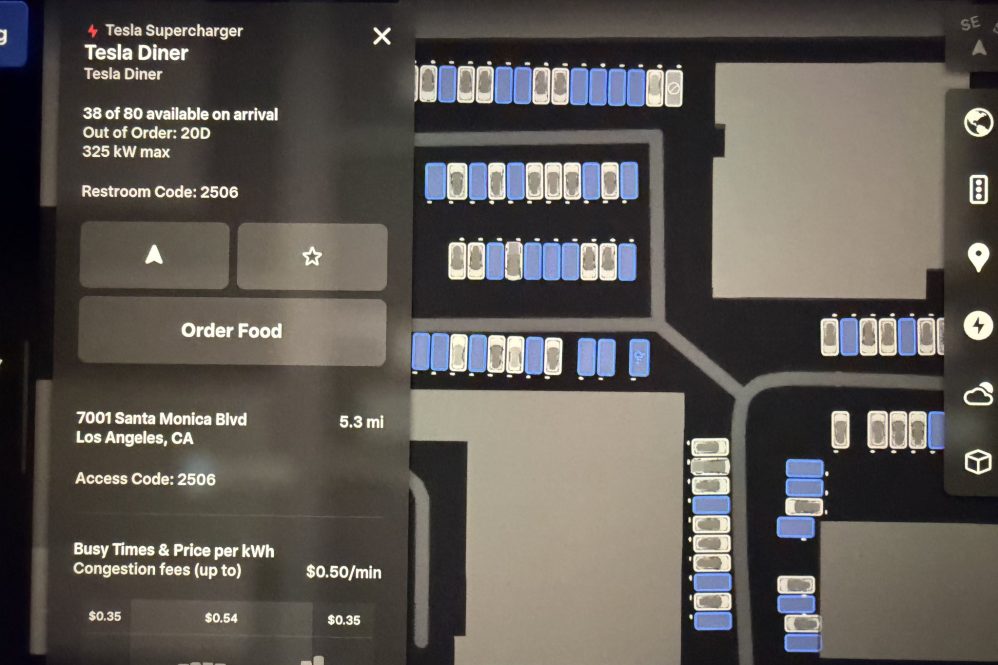
According to Tesla owner and enthusiast Zack (@BLKMDL3) on X, the new locations include at least the Tesla Diner in Los Angeles and major corridor stops in Kettleman City, Culver City, San Clemente, Cabazon, Gilroy, and Diamond Bar.
Tesla just significantly expanded the number of superchargers with Live Site View Maps available.
— Zack (@BLKMDL3) February 8, 2026
New sites I’ve noticed so far:
– Tesla Diner
– Kettleman City, CA
– Culver City, CA
– San Clemente, CA
– Cabazon, CA
– Gilroy, CA
– Diamond Bar, CA + many more@TeslaCharging pic.twitter.com/BMJnImmtGK
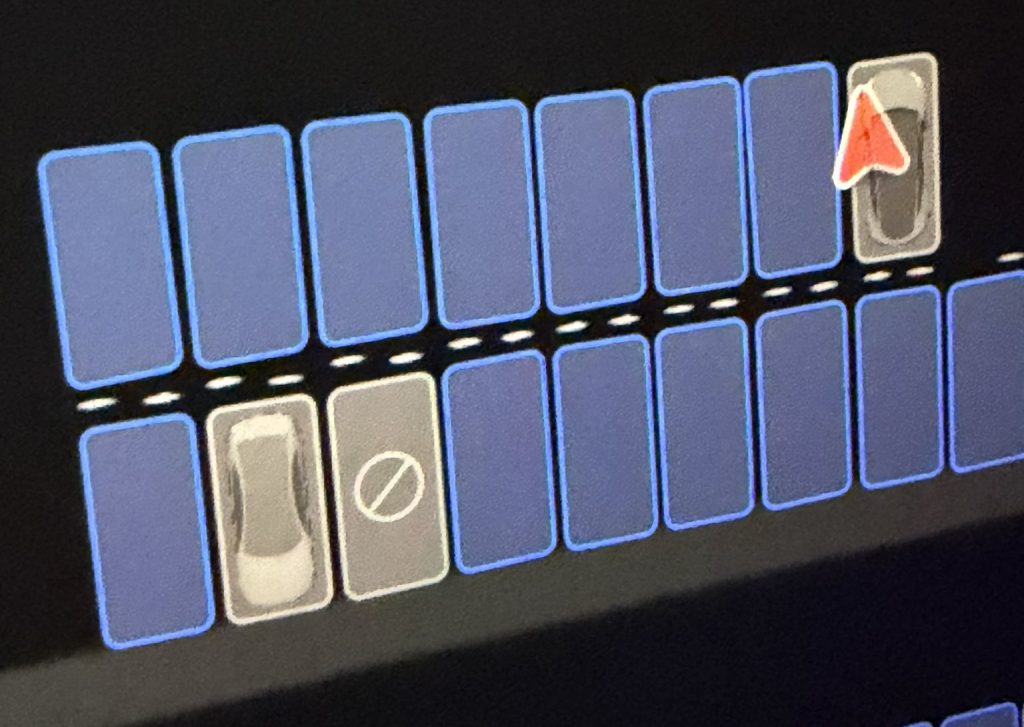
The Live Site View Maps feature provides drivers with a detailed 3D visualization of Supercharger locations directly on the vehicle’s touchscreen. Drivers can tap “View Site Map” or access it automatically while navigating to a charging stop. The interface shows the exact layout of stalls, their real-time availability, and nearby amenities like restaurants and restrooms.
Supercharger Site Maps are piloting at 18 sites. With this latest update, you can now see 3D views of Superchargers when navigating to them, or by tapping "View Site Map".
— Tesla Charging (@TeslaCharging) December 6, 2025
Site Maps display Supercharger layouts, nearby businesses and live availability details. https://t.co/mw3T5Mixb7 pic.twitter.com/dVIlZ8pZLQ
One of the key benefits is improved visibility into which individual stalls are open, occupied, or offline. This helps drivers avoid unnecessary waiting and allows them to head directly to an available charger.
This functionality has become increasingly important as Tesla opens its Supercharger network to other EV brands. Unlike Tesla vehicles, which are designed around the network’s cable lengths and stall layouts, some non-Tesla EVs have charging ports in different locations. This can sometimes result in vehicles occupying multiple stalls or positioning differently than expected.
Tesla’s system now accounts for this. Superchargers can detect when an EV with a front-left or rear-right charging port is connected to a short-cable stall and shows the adjacent stall as unavailable, allowing the system to more accurately reflect which stalls remain usable.
So far, the Supercharger Site Maps are limited to California and Texas, but with time availability is expected to expand to more states, and hopefully eventually Canada as well.