Rolls-Royce has officially walked back its plan to become a fully electric brand by 2030, signalling a notable shift in strategy as the pace of EV adoption in the ultra-luxury segment proves less predictable than expected.
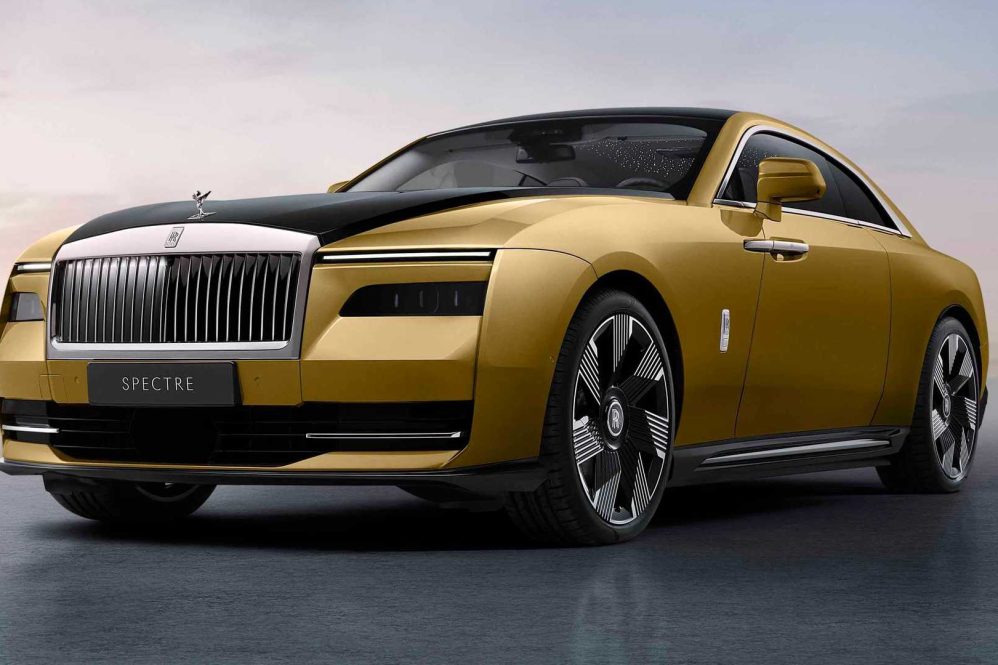
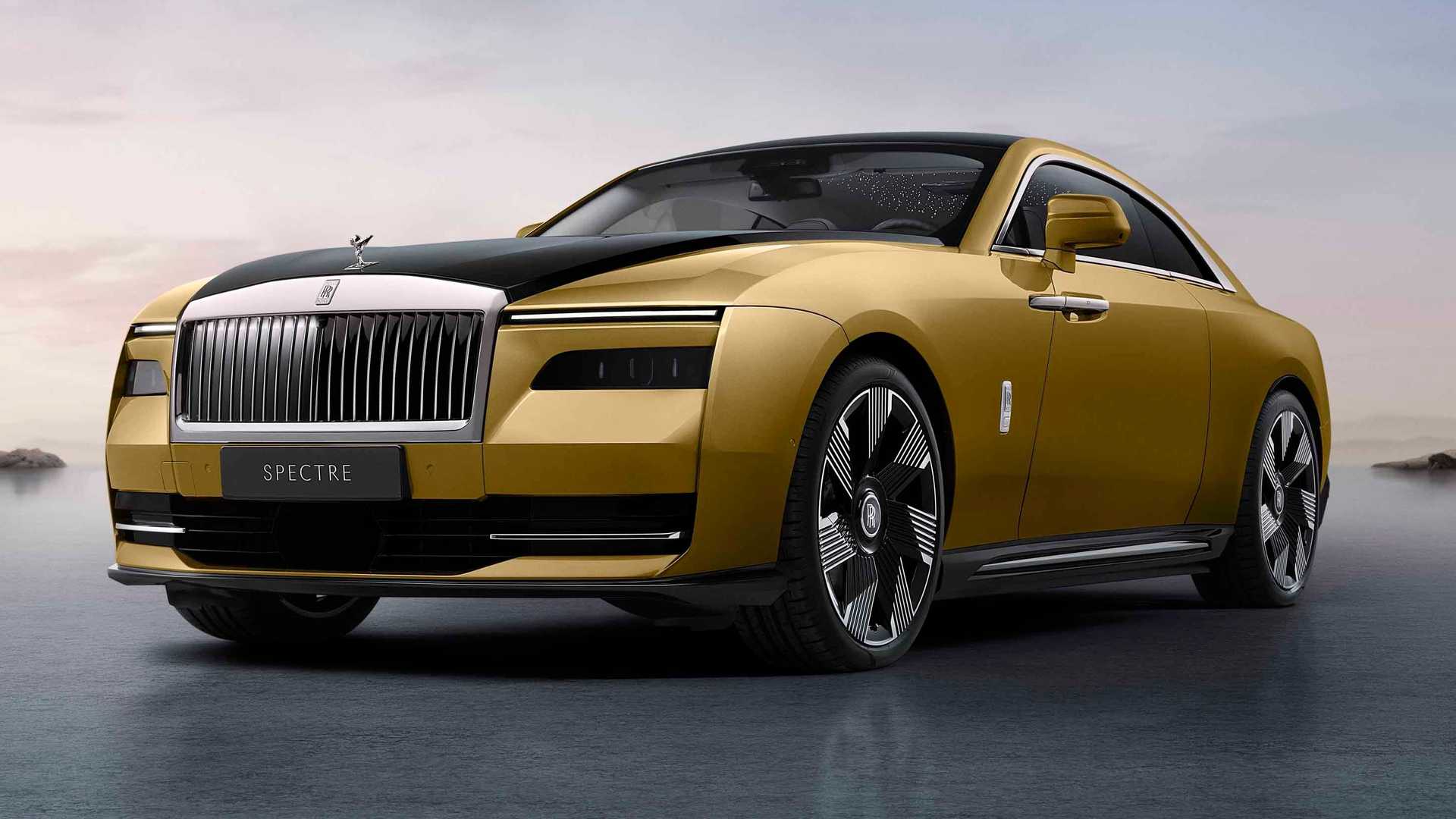
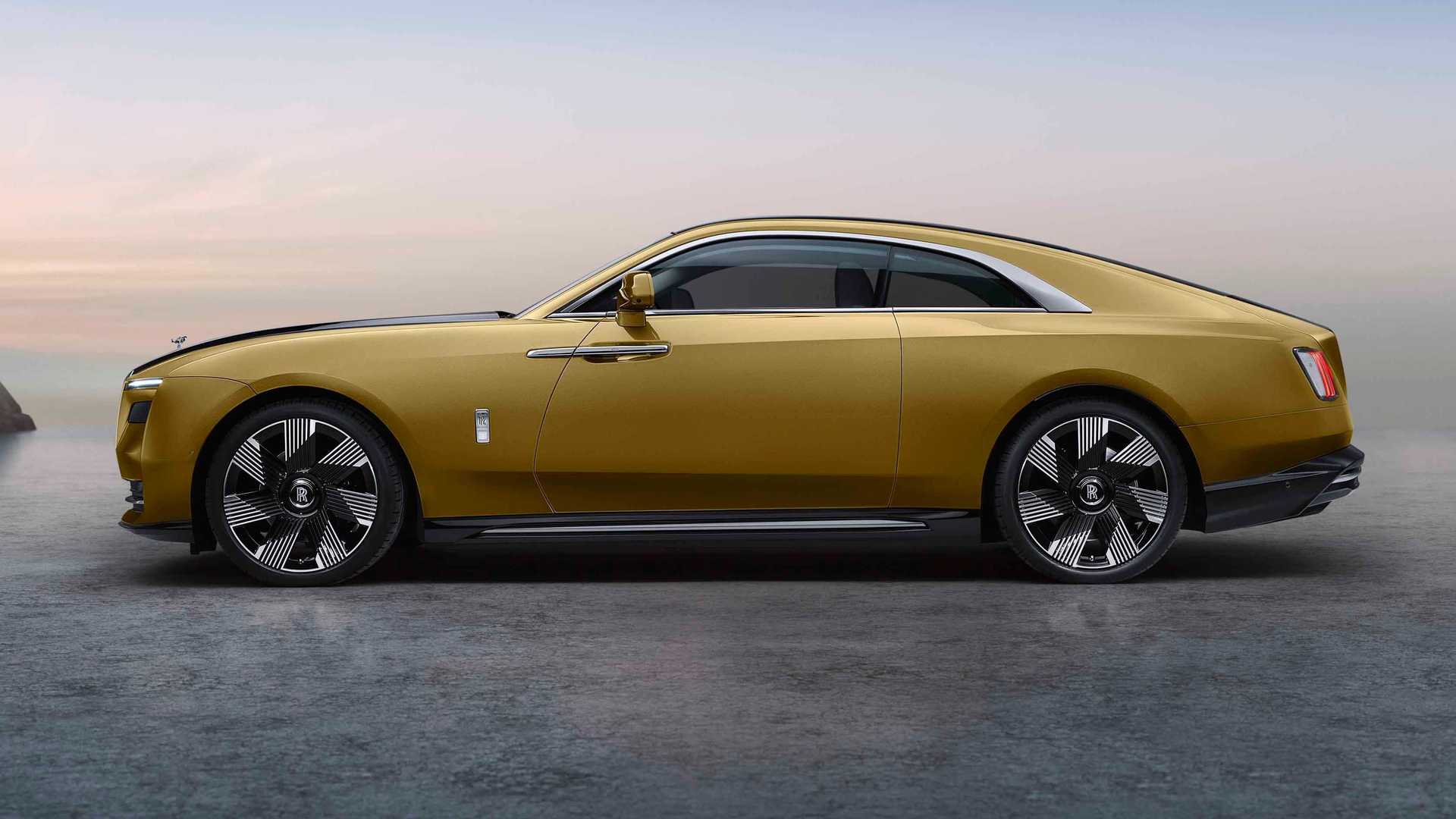
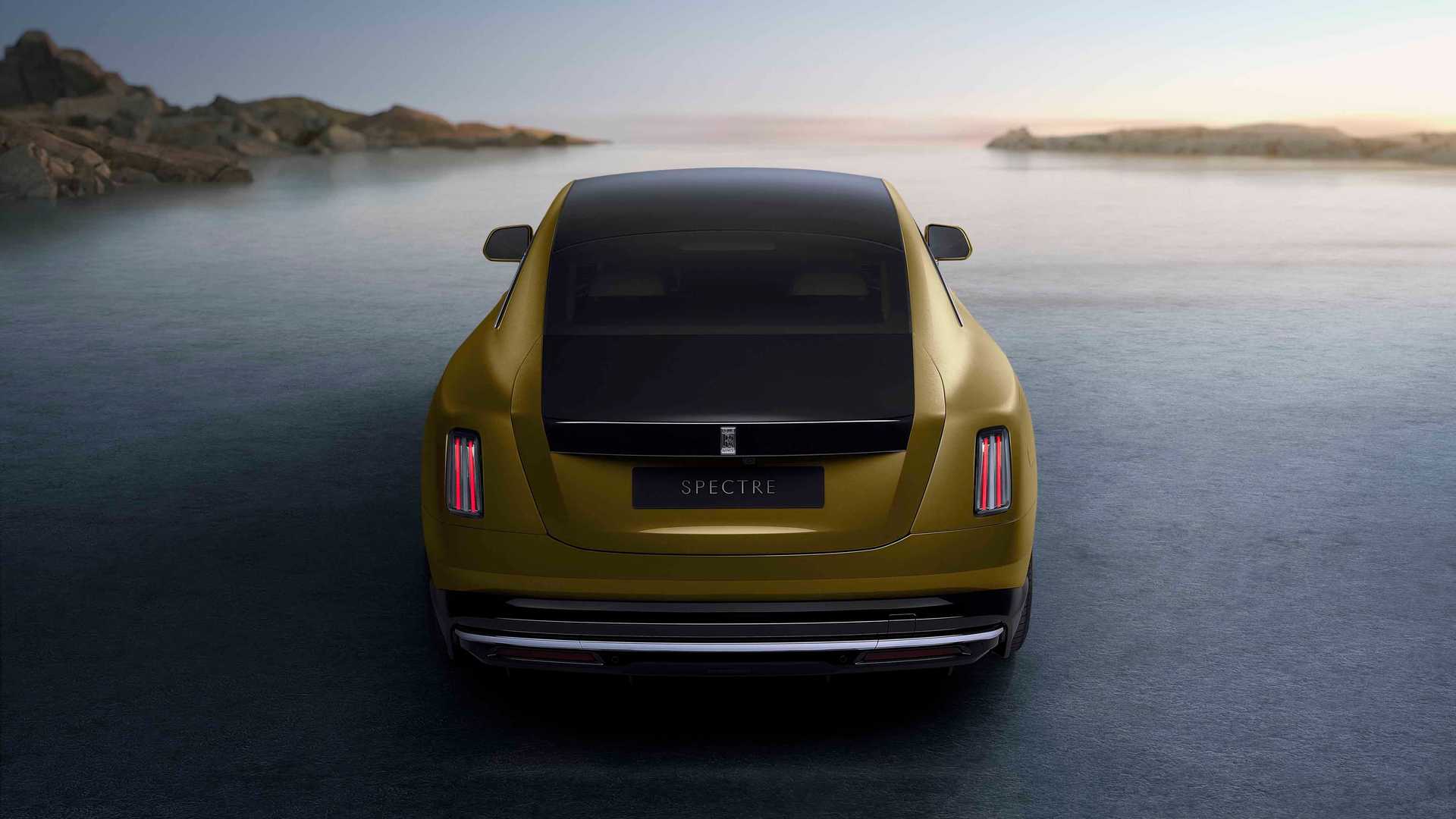
The British automaker, owned by BMW, had previously committed to phasing out its iconic V12 engines by the end of the decade following the debut of its first EV, the Spectre, in 2022. That model was positioned as the start of a rapid transition, backed by ambitious internal targets for electric adoption.
Now, under CEO Chris Brownridge, the company is taking a more flexible, demand-driven approach.
“For every client who is unsure whether our Spectre is right for them, there will be one that says ‘I love it’,” Brownridge said. “We can respond to our client demand…we build what is ordered.” (via The Guardian)
Demand for V12 engines remains strong
The decision reflects customer preference according to Brownridge, who says a meaningful portion of Rolls-Royce buyers continue to favour the brand’s traditional powertrains.
“We recognise some clients would rather have a V12 engine. The V12 is part of our history,” he said.
Brownridge also pointed to changing external conditions since the original 2030 commitment was made. “The legislation has changed,” he explained, adding that earlier forecasts were based on a very different regulatory and market environment.
While Rolls-Royce has not disclosed how much of its current sales come from the Spectre, the company had initially projected the EV would account for up to 70% of deliveries by 2028.
Electrification still part of Rolls-Royce’s plans
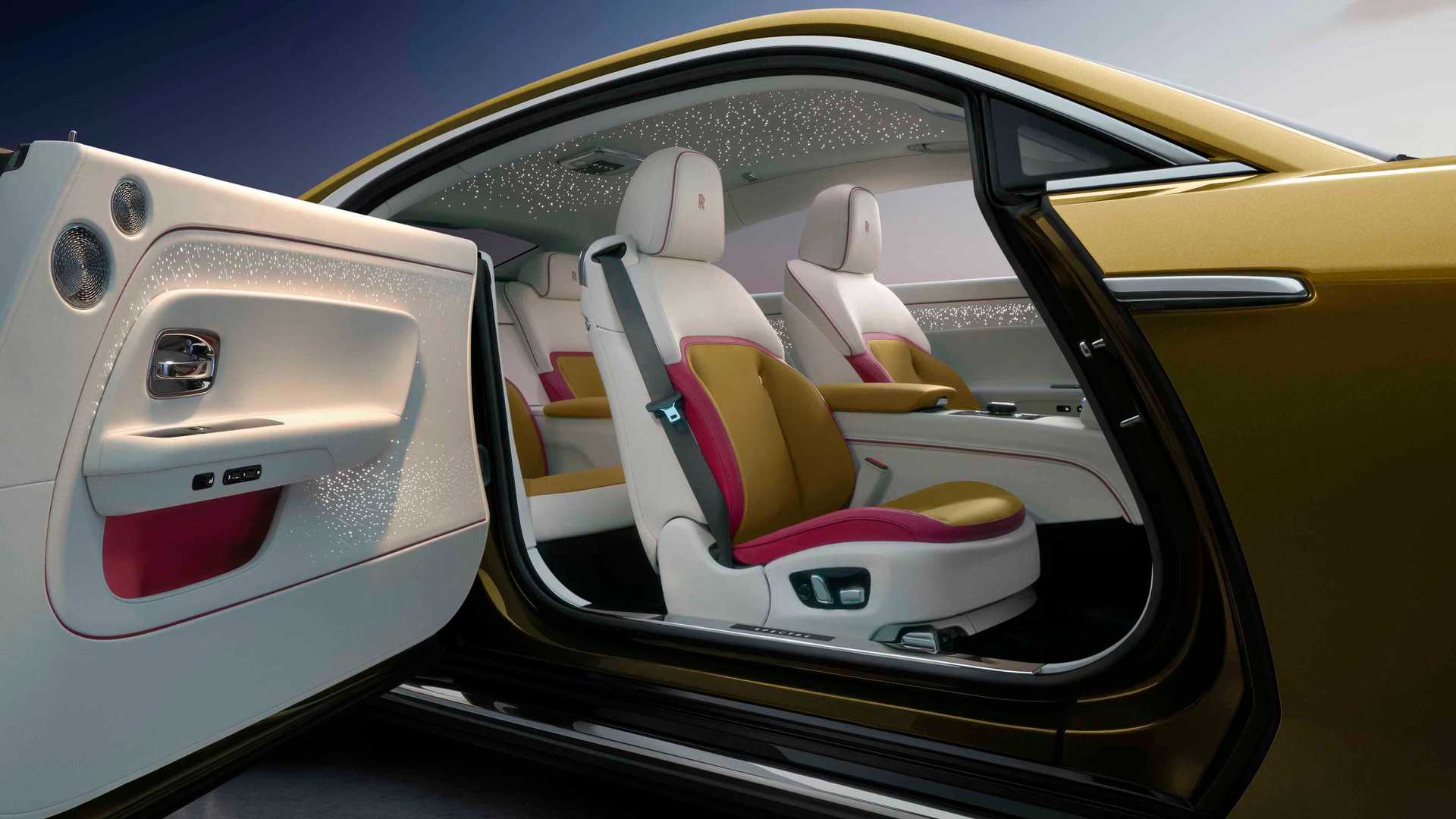
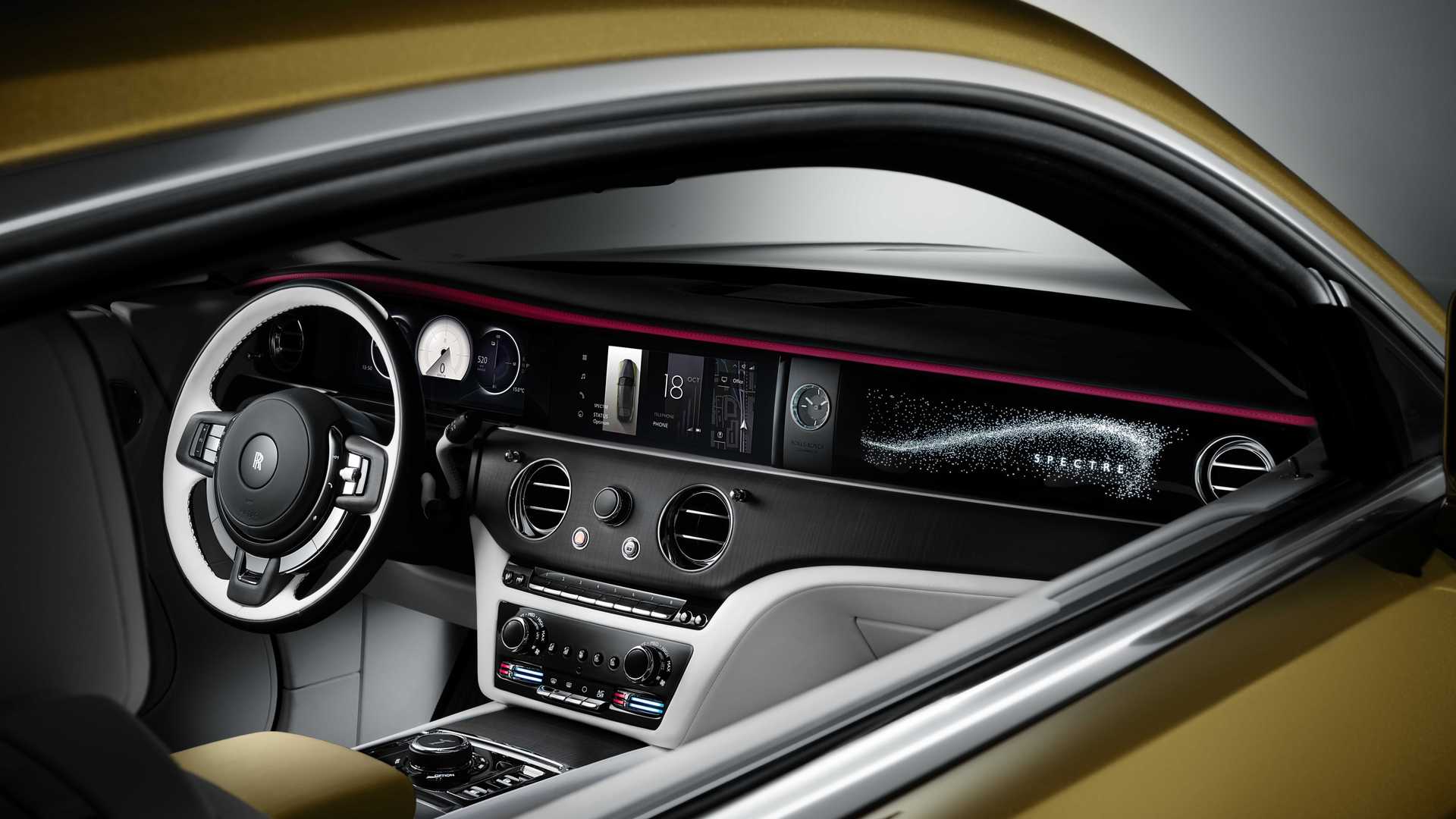
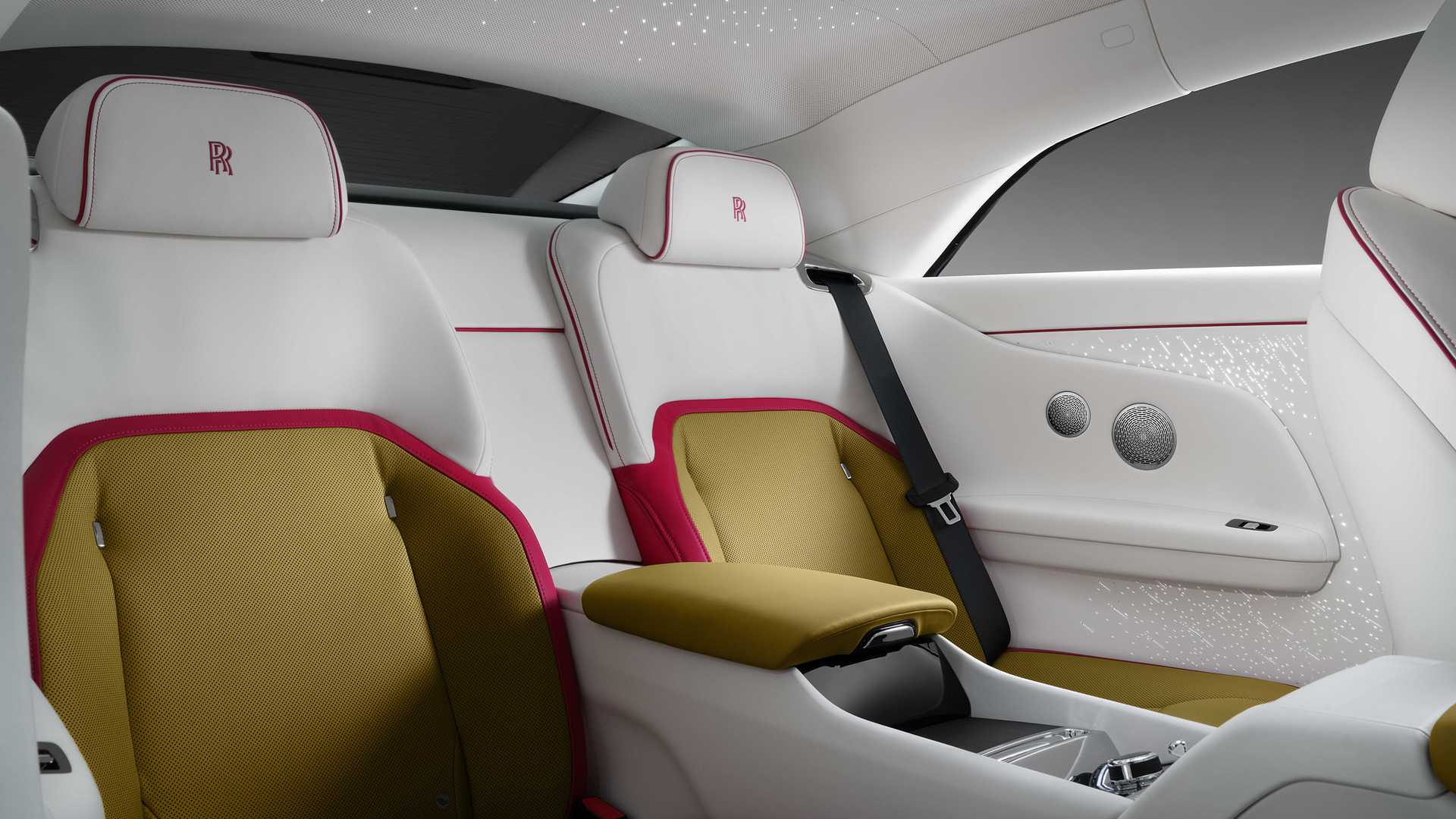
Despite the shift, Rolls-Royce is not abandoning electrification altogether. The Spectre remains a key part of its lineup and represents years of development, including one of the most extensive testing programs in the brand’s history.
Before its launch, the all-electric coupe underwent nearly 2 million kilometres of real-world testing across extreme climates, part of a broader 2.5 million kilometre validation effort designed to ensure it met Rolls-Royce’s “Magic Carpet Ride” standard.
The company is expected to continue investing in EV technology, but without committing to a hard deadline for a full transition.
Part of a broader industry trend
Rolls-Royce’s pivot is the latest in a wave of automakers reassessing their electrification timelines. In the luxury segment especially, brands are increasingly opting for a slower, more adaptive transition.
At the same time, more mainstream brands, such as Ford, Volvo, Honda, and others are also walking back their electrification goals and cancelling future projects.