Rogers has officially launched satellite-to-mobile connectivity nationwide using SpaceX’s Starlink Direct-to-Cell technology, giving Canadians the ability to stay connected in places where traditional towers don’t reach.
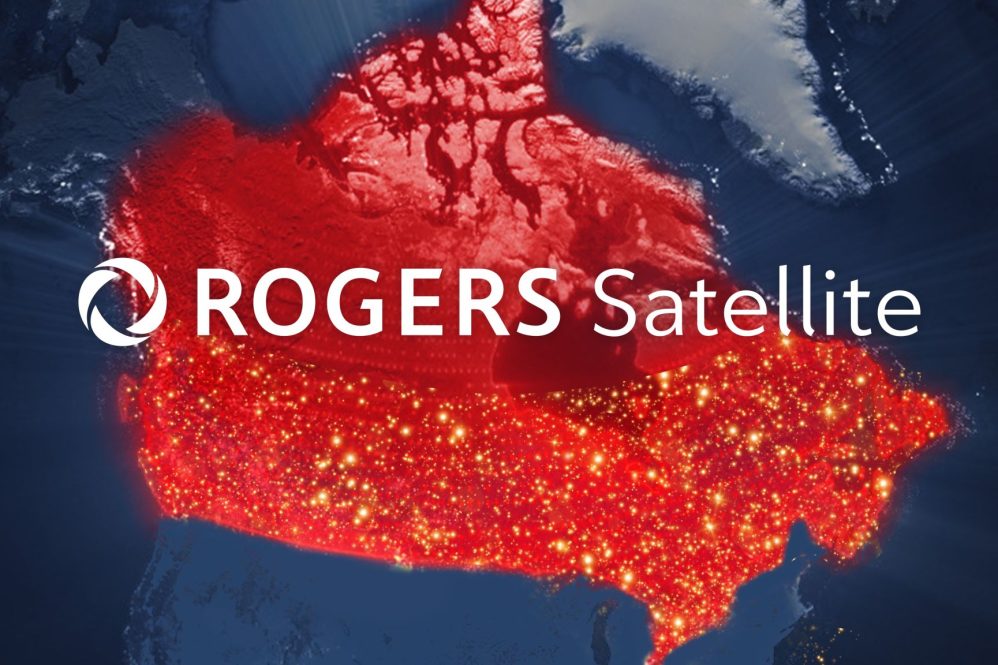
The service, called Rogers Satellite, expands coverage to more than 5.4 million square kilometres, far beyond what any existing carrier has managed on terrestrial networks alone. After several months of beta testing focused on satellite text messaging — which generated more than one million messages, including emergency texts to 911 — the feature set now includes data support for several popular apps.
Canadians can use WhatsApp for video calls, navigate with Google Maps, check AccuWeather, post on X, or access the CalTopo backcountry mapping app, all over Starlink satellites. The launch marks the first time these types of real-time services have been available to regular smartphones in remote parts of Canada without any external hardware.
App support is currently limited to certain Samsung and Google Pixel devices, with Rogers saying iPhone compatibility will follow soon. When connected via satellite, data usage counts against a customer’s existing plan. Despite being branded as a Rogers product, satellite access can be added to a second eSIM on compatible devices from any carrier, allowing customers to keep their primary plan unchanged.
The service isn’t cheap however. Pricing starts at $15 per month for new sign-ups, although those who participated in the beta receive a $5 monthly discount for their first year. Select Rogers plans will continue to offer the service for free during promotional periods.
Rogers avoided highlighting SpaceX’s involvement in its official announcement, presumably to distance itself from Elon Musk, but CEO Tony Staffieri said the launch highlights the company’s commitment to improving coverage. “We’re giving people access to the apps they need most in places they never thought possible,” he said.
Beyond consumer messaging and navigation, Rogers is also positioning the service as an economic benefit for industries that rely on remote infrastructure. Satellite-to-mobile IoT connectivity will support fleet tracking, forestry and mining operations, and automated sensors in regions that have lacked reliable communication networks.
Search and rescue groups have already welcomed the move, noting how crucial even a single text message can be when incidents occur far from established cell coverage. Only 18% of Canada is currently served by conventional wireless infrastructure, leaving huge sections of the country — including major travel and recreation routes — cut off without specialized equipment.