The National Highway Traffic Safety Administration (NHTSA) has given Tesla more time to respond to an investigation into Full Self-Driving (FSD), extending the deadline by five weeks as the automaker works through thousands of internal records tied to alleged traffic violations.
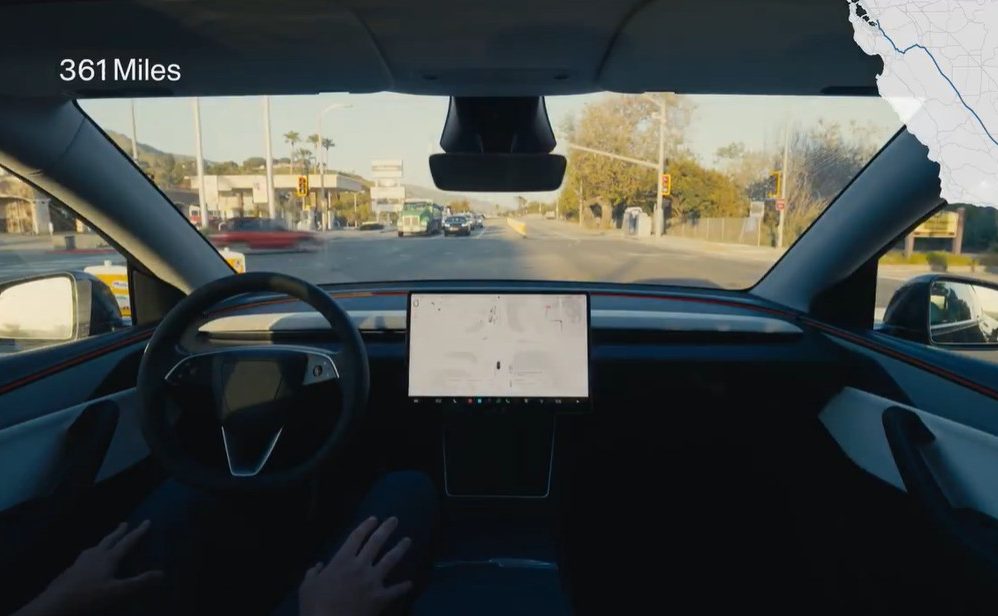
The Office of Defects Investigation (ODI) centers on claims that vehicles operating with FSD engaged have ignored red traffic lights or drifted into oncoming lanes. The agency opened a preliminary evaluation late last year after receiving more than 60 complaints, along with additional crash and media reports that raised concerns about how the system behaves in real-world traffic scenarios.
Originally, Tesla was required to submit its responses by January 19. That deadline has now been pushed to February 23, following a request from the company for additional time to manually review the volume of material involved. According to filings, Tesla identified 8,313 potentially relevant records when searching its databases for traffic-law-related incidents.
With an internal processing capacity of roughly 300 records per day, the automaker argued that it could not complete the review on time without risking errors or omissions. You can read Tesla’s extension request below.
Tesla’s claims appear reasonable. The NHTSA has asked the automaker to provide a detailed list of every vehicle it has produced, sold, or leased in the United States, broken down by whether FSD was enabled and which software version was installed. The agency also wants cumulative usage data, as well as a comprehensive accounting of customer complaints, field reports, crashes, lawsuits, and internal analyses related to FSD behaviour at intersections and during lane changes.
For any crash involving FSD, Tesla must submit summaries outlining causal and contributing factors, driver alerts, and whether the system was actively engaged at the time. NHTSA is also seeking information on what corrective actions Tesla has taken or tested, including software updates, simulations, or changes to hardware, along with the company’s explanation of how FSD is designed to recognize and respond to traffic signals and stop signs.
Failure to comply with the information request could result in civil penalties of up to $27,874 per day, capped at a maximum of $139.4 million. Tesla has told regulators that the task is further complicated by overlapping federal probes, including separate investigations into delayed crash reporting and issues involving door handles that may fail to operate.