Lucid has revealed a new robotaxi concept called the Lunar, offering a glimpse at how the company plans to compete in the rapidly developing autonomous ride-hailing market.
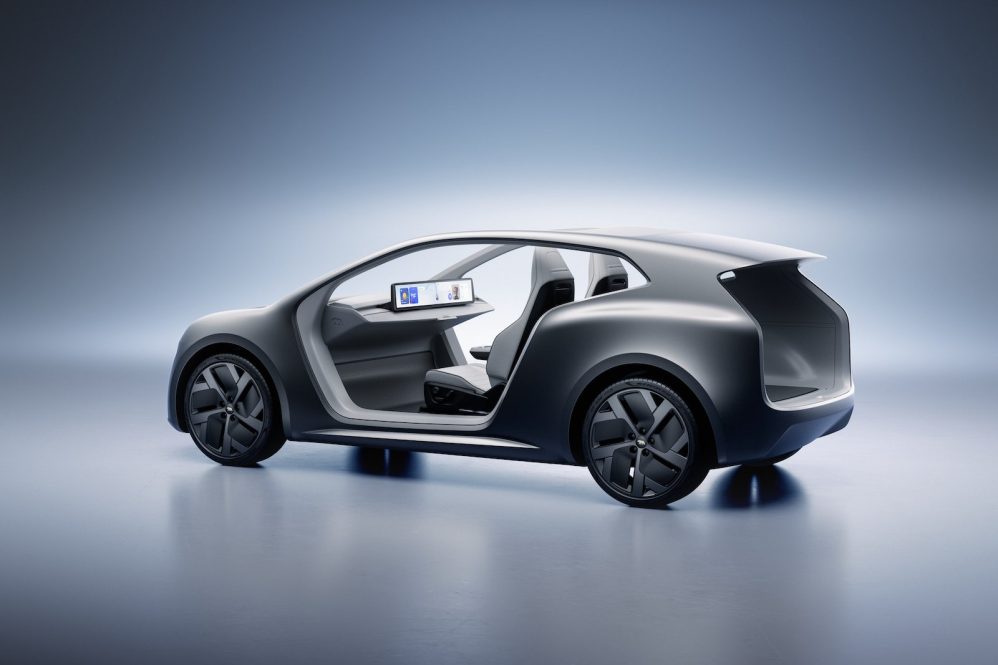
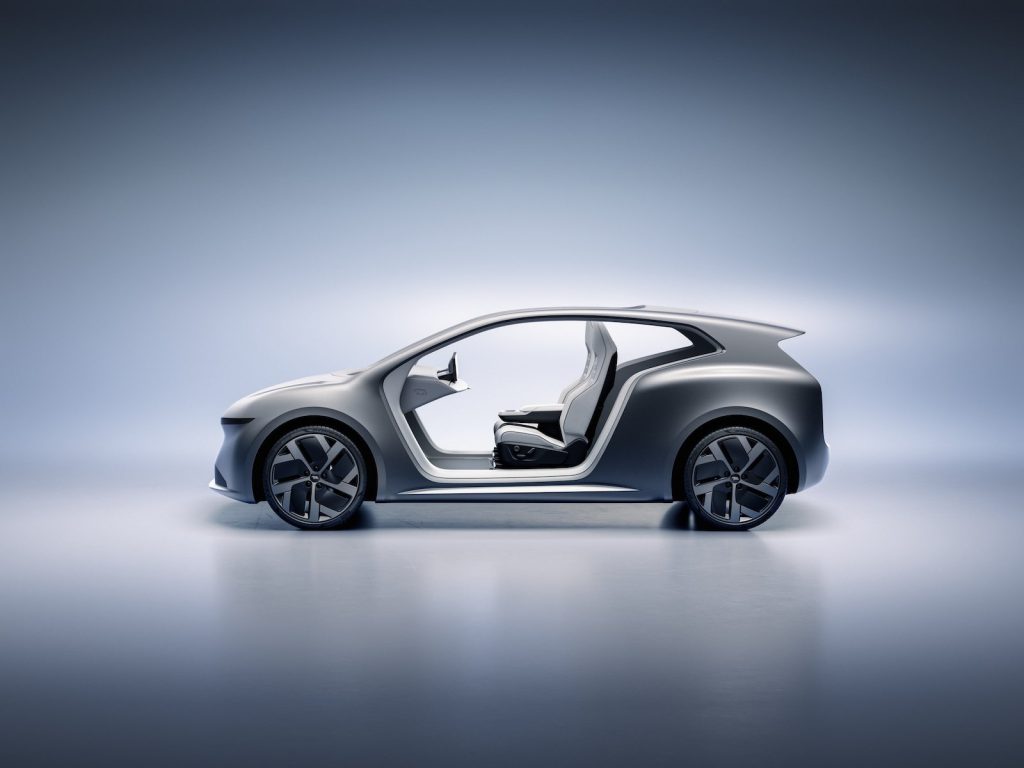
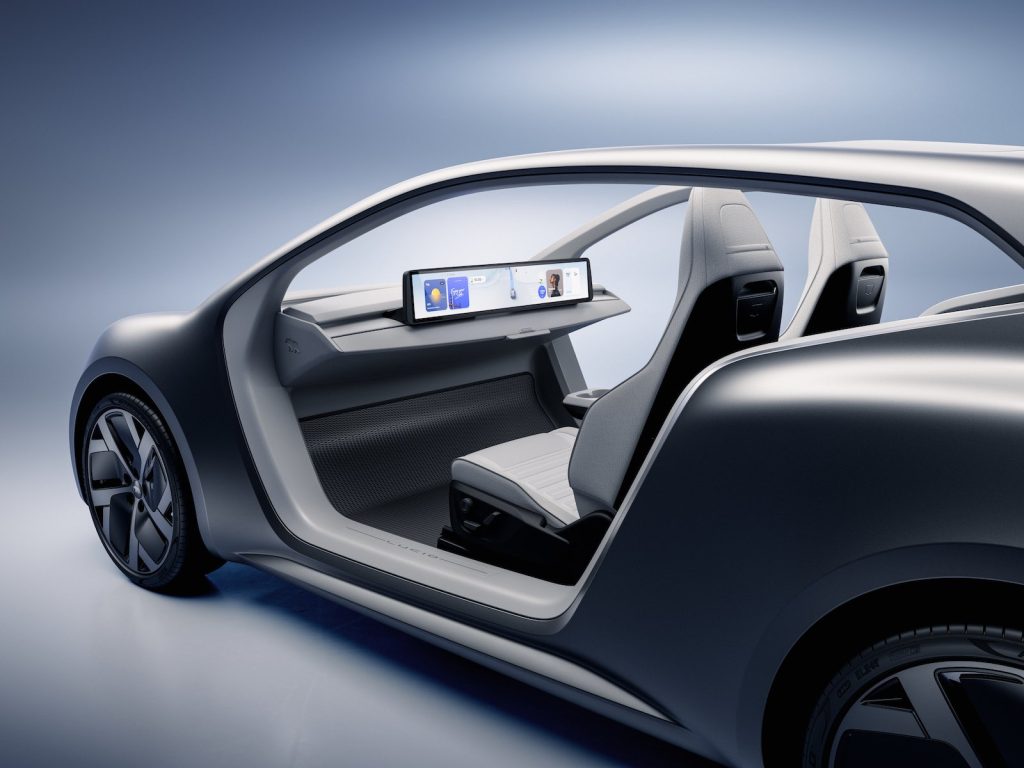
At its Investor Day event on Thursday, the company showed off a new concept called the Lucid Lunar, a two-seat robotaxi built on its upcoming midsize platform. The vehicle is still only a concept, but the design made Lucid’s intentions clear. Lunar features no steering wheel, no pedals, and a stripped-down cabin centered around a large display, positioning it as a purpose-built vehicle for fully autonomous ride-hailing rather than a traditional passenger car.
The timing of the reveal is notable. Robotaxis have become one of the biggest talking points in the EV industry, especially as Tesla nears production of its Cybercab and other automakers look for new revenue streams beyond vehicle sales. Lucid now wants investors to see that it is aiming at the same opportunity, even if Lunar itself is still far from production.
Lucid said the concept is based on the same midsize platform that will underpin its upcoming Cosmos and Earth SUVs, as well as a third unnamed model. That shared architecture could help the company reduce development costs and potentially support future autonomous applications at larger scale.
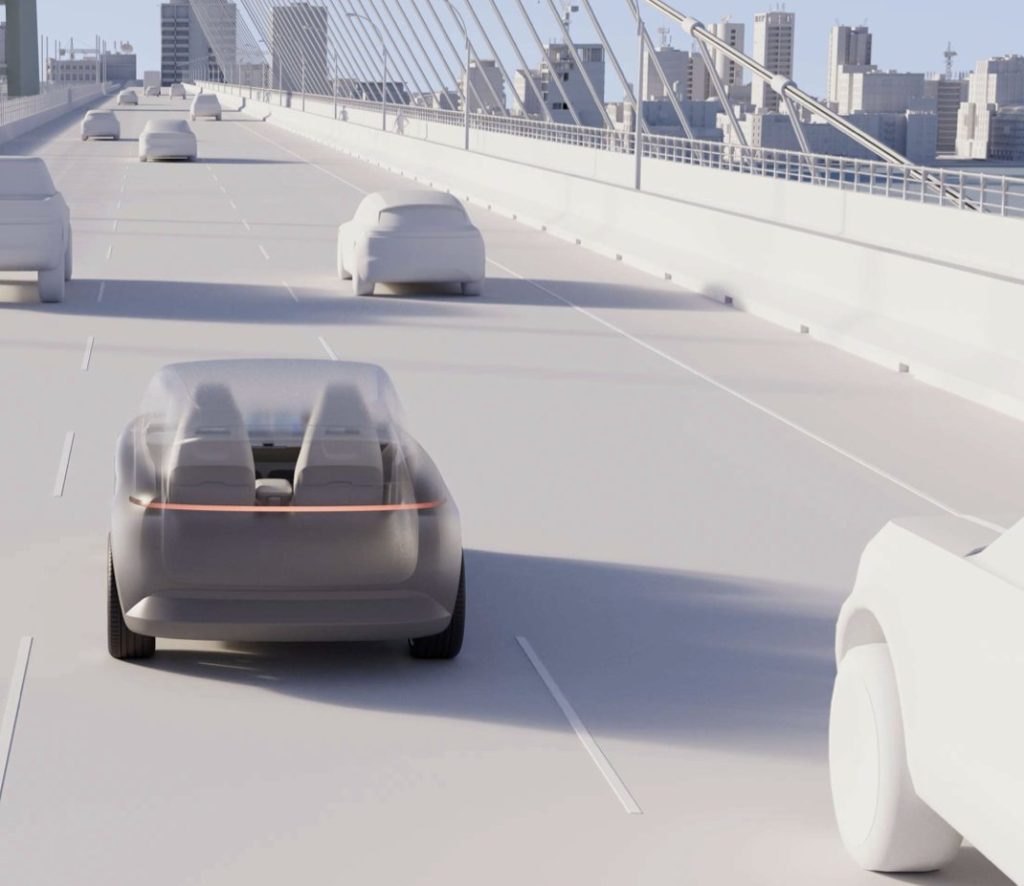
At the same time, Lucid is tying its robotaxi ambitions to its growing partnership with Uber. The company said it is in advanced discussions to expand that relationship and deploy future midsize-platform vehicles “at a scale similar to the Gravity robotaxi program,” with the intention to grow over time.
Earlier this year Lucid, Uber, and Nuro already announced that they plan to launch Gravity-based robotaxis on Uber’s platform, starting in the San Francisco area by the end of 2026. Thursday’s update suggests Lucid sees that program as only the beginning, with midsize vehicles expected to eventually play a much bigger role.
Lucid also used the event to outline a broader push into autonomy and software revenue. The automaker said subscription-based features will become an increasingly important part of its business, including future tiers of DreamDrive Pro that could range from basic driver assistance to far more advanced hands-free capability. One executive described subscriptions tied to autonomy as “the single biggest software monetization opportunity.”
That puts Lucid on a path similar to Tesla and Rivian, both of which are also betting that software and driver-assist systems can create recurring revenue long after a vehicle is sold.
For now, Lunar remains more of a vision than a launch-ready product. Lucid did not provide a firm production timeline, and the concept shown looked far from road-ready.