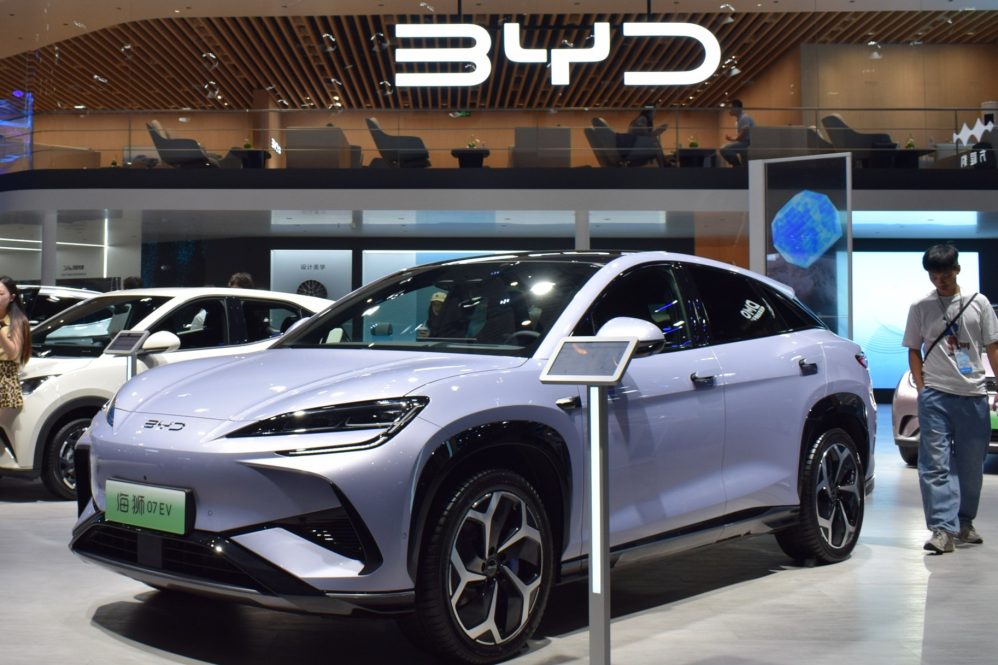
Chinese automakers are preparing to enter the Canadian electric vehicle (EV) market, with several major brands aiming to begin sales before the end of 2026. BYD, Chery, and Geely are all reportedly working through regulatory approvals, dealer partnerships, and certification requirements as they position themselves to launch consumer vehicles in Canada for the first time.
The move comes after Ottawa significantly reduced tariffs on Chinese-built EVs earlier this year, reopening the door for imports that had effectively been blocked since 2024.
According to industry discussions reported by Automotive News, Chinese automakers BYD, Chery, and Geely are actively preparing for their first consumer vehicle launches in Canada. The companies are currently working through regulatory approvals, dealer network development, and financial partnerships required before vehicles can reach showrooms.
“We expect the vehicles will start landing by the end of this year,” Jason Zhao, director of Asian market development at advisory firm DSMA, told Automotive News.
Chinese EV Makers Preparing Canadian Launches
The potential arrival of these brands follows a significant shift in Canada’s trade policy toward Chinese electric vehicles. Earlier this year, Ottawa reduced tariffs on Chinese-made EVs from the punitive 100% rate imposed in 2024 to the standard most-favoured-nation tariff of 6.1%.
The revised framework allows up to 49,000 Chinese-built EVs to enter Canada each year under the lower tariff rate, with the cap gradually increasing to 70,000 units annually by 2030. However, the program also includes affordability requirements, mandating that more than half of imported vehicles must be priced below C$35,000 by the end of the decade.
As we previously reported, Canada opened the import permit process on March 1. However the first year is split into two windows – the first 24,500 permits are available through August 31, with another 24,500 permits scheduled between September 2026 and February 2027.
Despite the policy change, none of the three automakers are ready to begin shipments immediately. Each company must first complete the homologation process, which ensures vehicles meet Canada’s safety and regulatory requirements before they can be sold to consumers.
BYD, Chery, and Geely Taking Different Paths
Among the three companies, BYD appears to be the furthest along in preparing for a Canadian launch. The automaker has already registered its passenger vehicle manufacturing plants in Shenzhen and Xi’an with Transport Canada’s Appendix G preclearance registry. Those factories produce models such as the Seal, Dolphin, Atto 3, and the compact Seagull EV.
Chery has taken a different approach, focusing on building groundwork for its brand portfolio in Canada. The automaker has filed trademarks for several sub-brands including Omoda, Jaecoo, Exeed, Luxeed, and iCar. Recruiters linked to Chery have also been actively contacting Canadian automotive professionals about roles tied to engineering, regulatory certification, and intelligent vehicle systems.
Geely’s involvement represents a newer development. The Chinese conglomerate already operates in Canada through its Swedish brands Volvo and Polestar, both of which previously imported Chinese-built EVs before the tariff hike in 2024. More recently, Geely trademarked its premium electric brand Zeekr in Canada, signaling potential plans for a direct market entry.
Not to be forgotten, Tesla is also expected to take advantage of the new tariff framework, potentially moving faster than new entrants thanks to its existing regulatory approvals in Canada, after previously importing vehicles built at Giga Shanghai into Canada in 2023 and 2024.
Recent changes on Tesla’s Canadian website, including the removal of new U.S.-made Model 3 inventory units from showrooms and its website, suggest the automaker may once again be preparing to source the sedan from Shanghai. With its vehicles already certified for the Canadian market and an established retail and service network across the country, Tesla could be among the first automakers to sell Chinese-made EVs under the new policy.