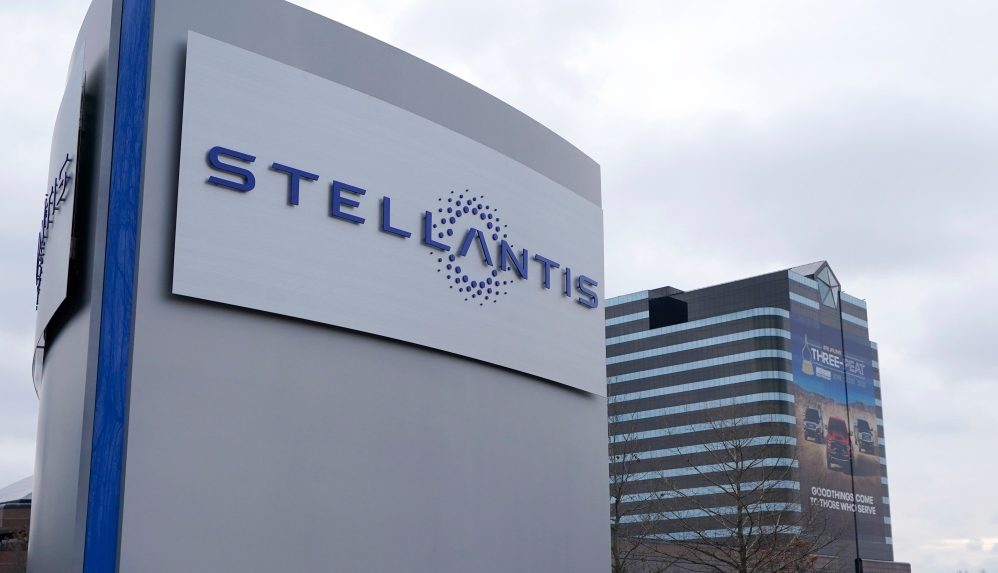
Stellantis is reportedly exploring a new electric vehicle (EV) production opportunity in Canada, with early discussions underway that could see its Chinese partner Leapmotor play a key role in reviving the idled Brampton assembly plant.
According to a report from Bloomberg, Stellantis is evaluating the possibility of building EVs in partnership with Leapmotor at the Ontario facility. The talks remain preliminary, and no final decisions have been made, but the move could represent a significant shift for the site, which has been without a clear production plan since last year.
The Brampton plant was previously slated to produce a next-generation Jeep SUV, but Stellantis later cancelled that program and moved it to a U.S. factory. The decision left the facility idle and sparked tensions with Canadian officials, who have since been working with the automaker to secure a new long-term investment for the site.
Now, attention appears to be turning toward EV production, leveraging Stellantis’ growing partnership with Leapmotor. That relationship dates back to 2023, when Stellantis invested €1.5 billion (approximately C$2.1 billion) to acquire a roughly 20% stake in the Chinese EV maker. The deal also created Leapmotor International, a joint venture majority-owned by Stellantis, giving it exclusive rights to manufacture, export, and sell Leapmotor vehicles outside of China.
“As consolidation unfolds among the capable electric vehicle start-ups in China, it becomes increasingly apparent that a handful of efficient and agile new-generation EV players, like Leapmotor, will come to dominate the mainstream segments in China. Through this strategic investment, we can address a white space in our business model and benefit from Leapmotor’s competitiveness both in China and abroad,” said Stellantis CEO Carlos Tavares.
The partnership was designed to combine Leapmotor’s cost-efficient EV platforms with Stellantis’ global manufacturing footprint and established brands, with a focus on delivering more affordable electric vehicles to a wider audience. Leapmotor, which delivered approximately 111,000 new energy vehicles in 2022, has been expanding its lineup using scalable architectures that support both battery-electric and range-extended powertrains.
If the Brampton project proceeds, it could become one of the first major Chinese-linked EV manufacturing initiatives in Canada. However, several hurdles remain. Canadian officials have signaled that any agreement would likely require commitments to local jobs, domestic supply chains, and compliance with national labour and security standards.
There are also broader geopolitical considerations. U.S. officials have expressed concern about Canada potentially serving as a pathway for Chinese-developed vehicles to enter the American market, raising questions about how any such vehicles would be treated under existing trade agreements.

Always get the latest - make Drive Tesla your preferred source on Google
Are you buying a Tesla? If you enjoy our content and we helped in your decision, use our referral link to get three months of Full Self-Driving (FSD).Drive Tesla uses affiliate links, which means we may earn a commission if you make a purchase through them, at no additional cost to you. Thank you for your support.