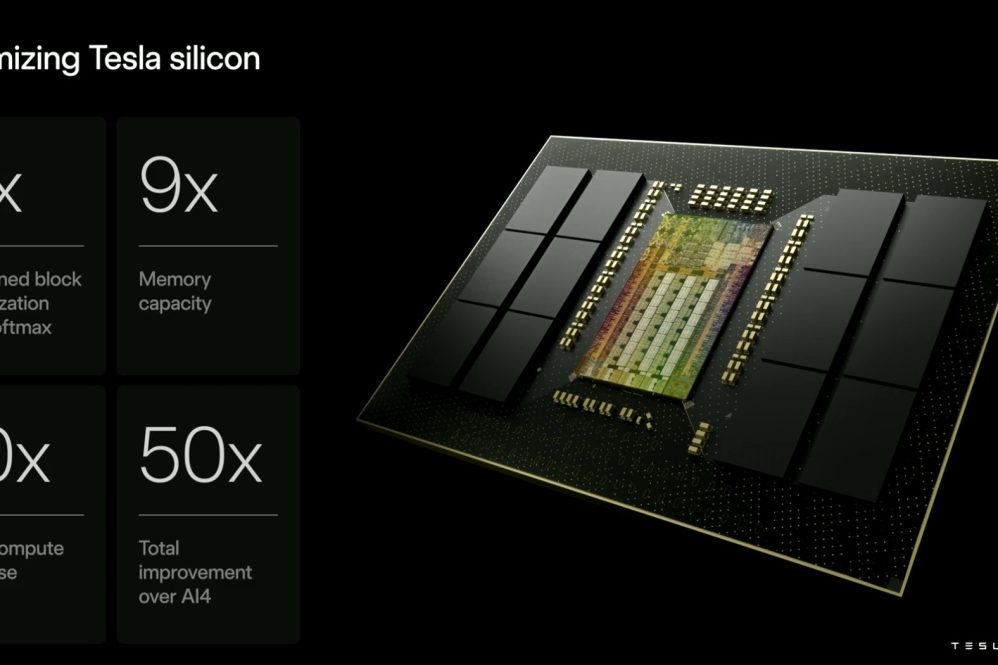
Tesla’s Terran project appears to be progressing into a more structured planning phase, Just a few days after CEO Elon Musk announced the project, and before it is slated to begin, the company has published a job posting relating to the in-house chip manufacturing program.
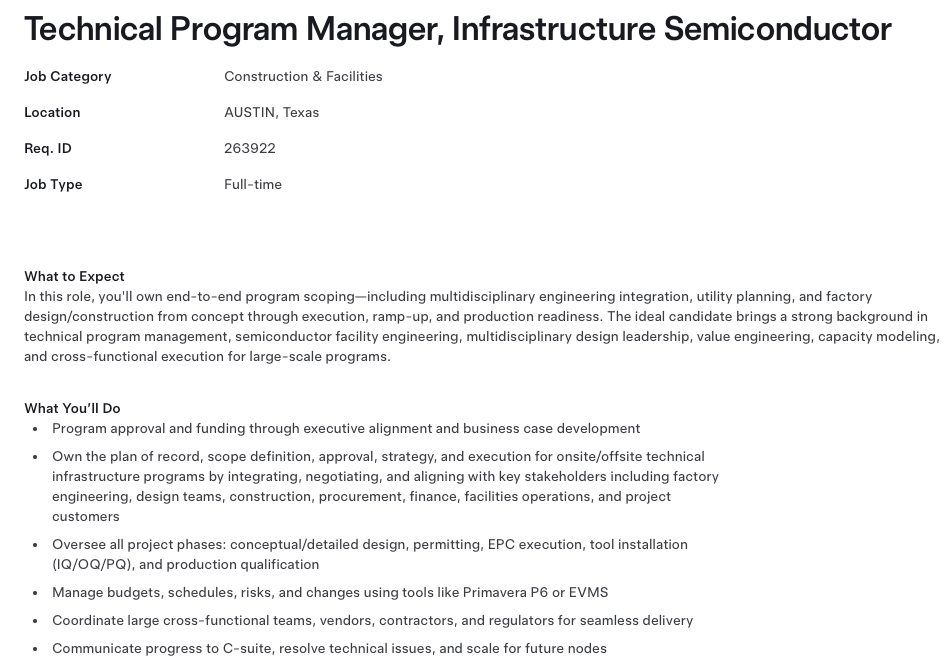
According to the job listing, first spotted by X user @TeslaRyanRogue, the role is based in Austin and focuses on semiconductor infrastructure, including responsibilities tied to program definition, business case development, and execution planning.
The successful candidate will “own end-to-end program scoping—including factory design/construction from concept through execution, ramp-up, and production readiness.” That scope alone signals this is not a small internal project, but something far more substantial.
Tesla moves closer to building its own chip factory
Tesla has been openly discussing the need for its own chip manufacturing capacity for some time. CEO Elon Musk has repeatedly highlighted the growing demand for AI hardware, particularly as the company ramps up Full Self-Driving (FSD), the Optimus humanoid robot, and its Dojo supercomputer.
At Tesla’s 2025 shareholder meeting, Musk made it clear that relying solely on external suppliers like TSMC and Samsung may not be enough. “One of the things I’m trying to figure out is — how do we make enough chips?” he said, noting that even optimistic supply projections fall short of Tesla’s long-term needs.
The Terafab concept is Tesla’s potential answer to that problem. While still unconfirmed officially, it is believed the facility will be located near Giga Texas, likely on its expanding north campus.
Still early stages
The job posting offers important clues about where the project stands today. Responsibilities include everything from business case development and executive alignment to permitting, construction, and production qualification. That mix suggests Tesla is actively working toward defining scope, securing funding, and preparing for execution.
The scale of the role also stands out. Tesla is effectively looking for someone to oversee the entire lifecycle of a semiconductor fabrication facility—from initial concept through ramping production. That level of responsibility is rare, and candidates with both semiconductor and large-scale infrastructure experience are limited.
If Tesla proceeds, Terafab could represent a multi-billion-dollar investment and a major shift in strategy. The company has long prioritized vertical integration, and chip manufacturing would extend that philosophy into one of the most complex and capital-intensive industries in the world.

Always get the latest - make Drive Tesla your preferred source on Google
Are you buying a Tesla? If you enjoy our content and we helped in your decision, use our referral link to get three months of Full Self-Driving (FSD).Drive Tesla uses affiliate links, which means we may earn a commission if you make a purchase through them, at no additional cost to you. Thank you for your support.