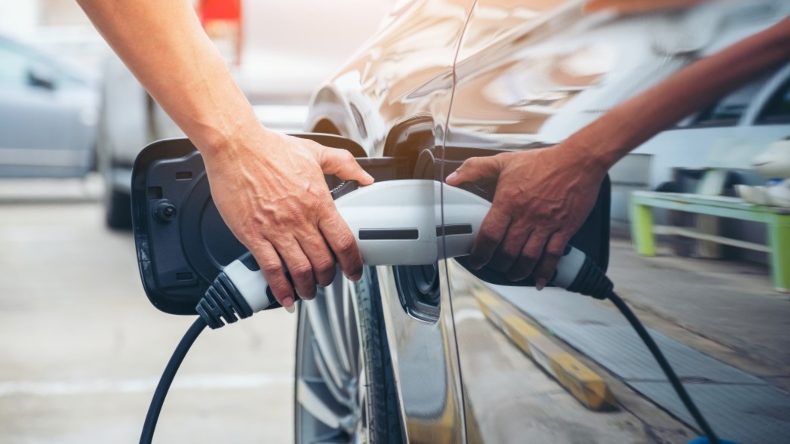
The Canadian government has announced plans to spend more than $84 million to install over 8,000 new public electric vehicle (EV) charging ports across the country.
The funding, delivered through Natural Resources Canada’s Zero Emission Vehicle Infrastructure Program (ZEVIP), will support 122 separate projects from coast to coast to coast. Once completed, the new chargers will be added to Canada’s existing network of more than 33,000 public charging ports, with more than 18,000 additional installations already in various stages of planning and development.
While the government has not specified how many of the new installations will be DC fast chargers versus slower Level 2 chargers, the math tells the story. At an average cost of $10,500 per charge port across 122 projects, the vast majority of the 8,000 chargers will almost certainly have to be Level 2 chargers, not DC fast chargers.
Level 2 installations typically cost between $4,000 and $15,000 per port, making them consistent with the federal funding amount, while DC fast chargers usually cost $90,000 to $300,000 or more per port due to expensive hardware and electrical infrastructure requirements. Tesla currently spends about $50,000 per stall.
This strongly suggests the program will focus on expanding EV charging at places like workplaces, apartments, hotels, and public parking areas, where vehicles are parked for longer periods. While a small number of DC fast chargers may be included, the funding level indicates this initiative is primarily aimed at improving everyday charging accessibility rather than significantly expanding Canada’s fast-charging network.
The expansion forms part of Canada’s newly announced Automotive Strategy, which includes a $1.5 billion investment to support both charging and hydrogen refuelling infrastructure. Energy Minister Tim Hodgson said a National Charging Infrastructure Strategy is also in development and expected to be released later this year, helping to coordinate charger deployment nationwide and encourage private-sector investment.
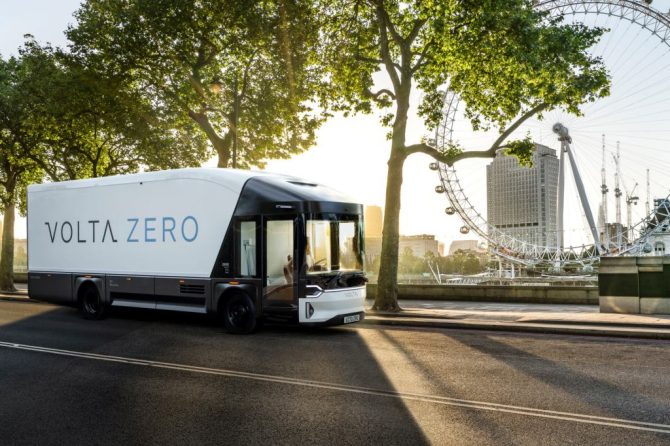
In addition to charging infrastructure funding, Ottawa also announced $5.7 million for clean freight initiatives aimed at reducing emissions from commercial transportation, along with $7.2 million for EV education and awareness programs, including several Indigenous-led initiatives.

Always get the latest - make Drive Tesla your preferred source on Google
Are you buying a Tesla? If you enjoy our content and we helped in your decision, use our referral link to get three months of Full Self-Driving (FSD).Drive Tesla uses affiliate links, which means we may earn a commission if you make a purchase through them, at no additional cost to you. Thank you for your support.