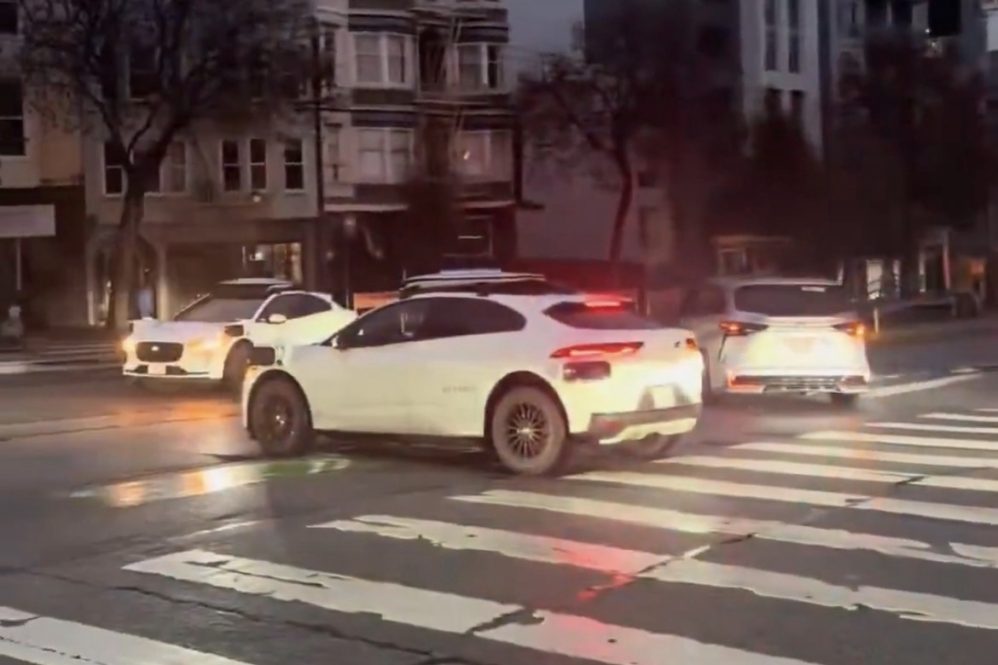
A major power outage in San Francisco on December 20, 2025, triggered by a fire at a PG&E substation, revealed significant vulnerabilities in Waymo’s autonomous vehicle technology.
The blackout, affecting around 130,000 customers and knocking out traffic lights across large sections of the city, caused hundreds of Waymo robotaxis to freeze in place—many stopped dead in the middle of intersections, exacerbating gridlock and creating hazardous conditions for other drivers and emergency responders.
Eyewitness videos and photos flooded X, showing Waymo vehicles immobilized with hazard lights flashing, blocking lanes and turning busy crossroads into parking lots.
While initial theories claimed the incident was due to the vehicles not being able to operate without functioning traffic lights, it is more likely that Waymo’s data center lost power, and the company lost connectivity with all of their vehicles, which were unable to operate without it.
Despite years of operation in San Francisco, Waymo apparently failed to adequately address this foreseeable edge case, leading to a full fleet suspension—the first time an entire city’s robotaxi service has been halted over powerless traffic lights.
UPDATE Dec 22 5:00pm PT: Waymo reached out to Drive Tesla to confirm the reason for their robotaxis shutting down “was a result of the scale of the power outage and its effect on traffic signals.”
Waymo spokesperson Suzanne Philion issued a statement prioritizing “rider safety” and clear access for emergency personnel, but critics point out that the stalled vehicles themselves impeded first responders and worsened congestion.
The company has yet to explain the exact technical failure or outline fixes, raising questions about the robustness of its geofenced, map-heavy approach that seemingly relies heavily on external infrastructure like live traffic data or signals.
In contrast, Tesla vehicles equipped with Full Self-Driving (FSD) capability continued operating without disruption during the same outage, something which Elon musk even highlighted in a post on X.
Power has since been restored to most areas, and Waymo has resumed operations—but the damage to its reputation as a “safe” leader in autonomy may linger.