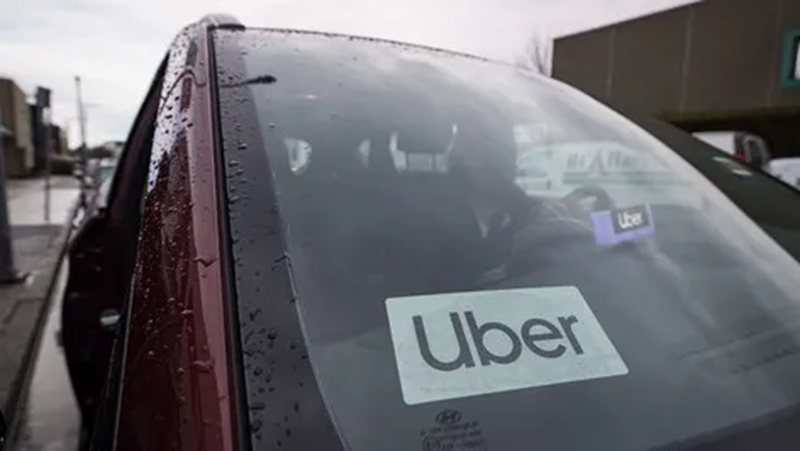
Uber is making one of its biggest infrastructure bets yet — and it has less to do with traditional ride-hailing and more to do with the rapidly approaching robotaxi era.
As autonomous, electric fleets expand across major cities, the company is committing more than US$100 million to build a dedicated fast-charging network across the U.S. and Europe designed to keep robotaxi powered and on the road earning money.
The first wave of sites will launch in the San Francisco Bay Area, Los Angeles, and Dallas, with additional cities to follow.
“Cities can only unlock the full promise of autonomy and electrification if the right charging infrastructure is built for scale,” Uber Global Head of Mobility Pradeep Parameswaran said in a statement.
Charging Depots Built for Scale
Uber plans to install high-capacity DC fast chargers at its autonomous vehicle depots, where fleets are stored, cleaned, inspected, and maintained. These hubs will also include strategically located “pit stop” charging sites in high-traffic corridors to keep vehicles on the road longer and maximize utilization.
Owning and operating parts of the charging network gives Uber tighter control over uptime and operational efficiency — critical factors as it scales autonomous fleets.
Uber already manages robotaxi operations in cities like Austin and Atlanta through its partnership with Waymo, and internationally in markets such as Abu Dhabi, Dubai, and Riyadh via China-based WeRide. The company says it expects autonomous rides to be available in at least 10 cities by the end of 2026.
Utilization Guarantees to Unlock 1,000+ Chargers
Beyond company-owned hubs, Uber is also entering “utilization guarantee agreements” with major charging operators. These deals help justify the millions in upfront capital required to build fast-charging infrastructure by ensuring minimum usage levels.
In the U.S., Uber is partnering with EVgo in New York, Los Angeles, San Francisco, and Boston. In Europe, agreements include Ionity and Hubber in London, and Electra in Paris and Madrid. The company also maintains a relationship with Revel in New York City.
Collectively, these partnerships are expected to support the rollout of more than 1,000 new fast chargers globally.