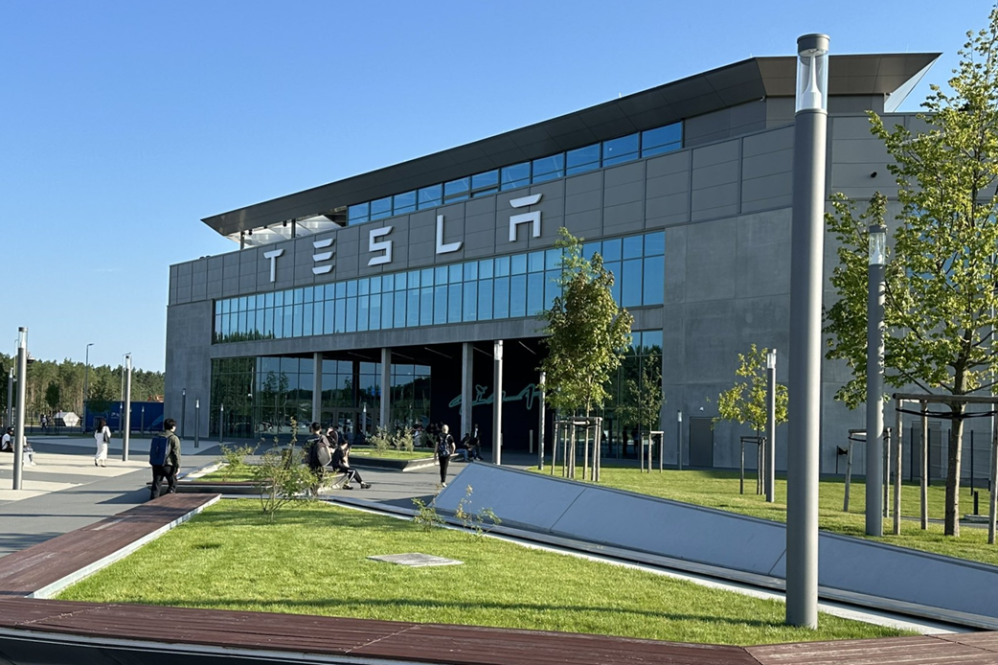
Tesla is once again pushing forward with its long-term battery plans at Giga Berlin, while also restarting battery pack assembly at the site.
According to Tesla, the company is now preparing Giga Berlin to support up to 8 gigawatt-hours (GWh) of battery cell production annually, beginning as early as 2027, provided economic and regulatory conditions allow. To support this goal, Tesla confirmed it will invest an additional investment in the hundreds of millions of euros into battery operations, bringing total investment in on-site cell manufacturing to nearly €1 billion (C$1.6 BN/US$1.2 BN). (via Reuters)
Tesla says the objective is to consolidate the entire battery value chain at a single European location—from cells to battery packs to finished vehicles. If fully realized, this would make Giga Berlin one of the most vertically integrated EV production sites in Europe, a distinction Tesla notes is currently difficult to achieve given cost pressures and competition from China and the United States.
At the same time, Tesla has resumed battery pack assembly at Giga Berlin after a temporary suspension earlier this year. Production had been disrupted following an August fire in the battery pack area, which destroyed several hundred cells but resulted in no injuries.
Since then, Tesla has reconfigured the facility, implementing new equipment and updated manufacturing processes, allowing it to restart operations.
Plant manager André Thierig recently described the revamped operation at an internal event as Tesla’s most highly automated battery pack factory worldwide, highlighting significant upgrades to plant engineering and automation systems, according to German publication Handelsblatt.
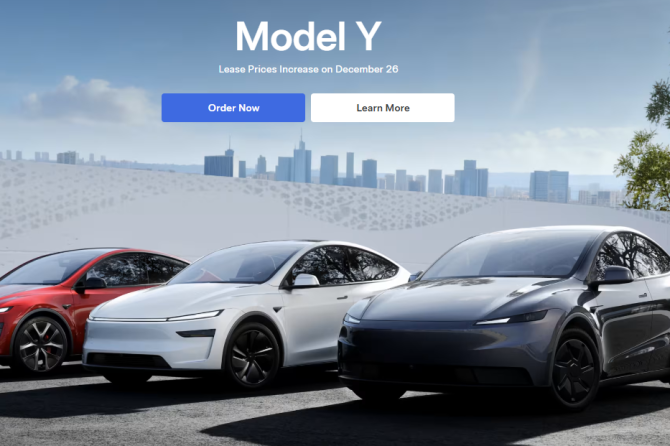
While battery packs were previously assembled at Giga Berlin using cells from suppliers such as CATL and LG Energy Solution, the updated packs now integrate Tesla-manufactured 4680 cells shipped from Giga Texas. This change means that Model Y vehicles built in Berlin will soon be delivered in Europe with Tesla’s 4680 cells, though the company has not yet confirmed which specific variants will receive them.
Tesla had previously paused plans for local cell production in Germany in 2022, opting to prioritize U.S. investments amid more favourable subsidy programs.
Despite that delay, cell manufacturing in Germany remains part of Tesla’s long-term roadmap. Recent job postings related to battery cell production suggest preparations are ongoing, even if full-scale production has yet to begin. However, Elon Musk has indicated that future investment decisions could depend on labour relations and the outcome of upcoming works council elections at the site in March.