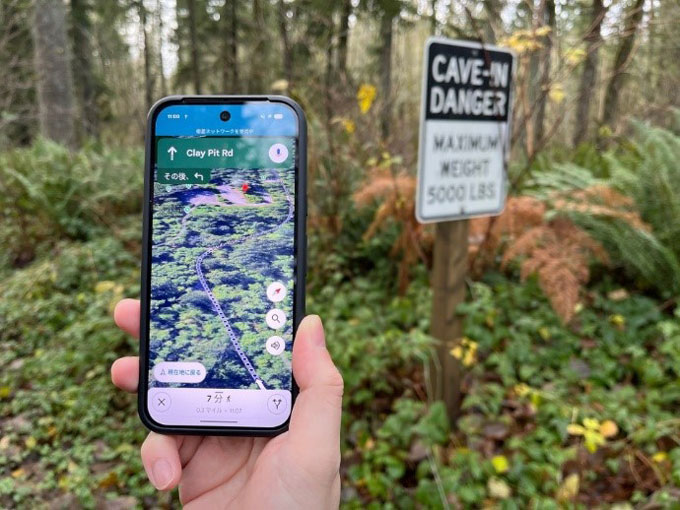
SpaceX’s satellite-to-smartphone technology is taking another step toward global connectivity. Through a partnership between Japanese telecom provider KDDI and U.S. carrier T-Mobile, Starlink Mobile is now enabling what is being described as the world’s first cross-border satellite roaming service between Japan and the United States.
Japanese telecom carrier KDDI announced last week that subscribers to its “au Starlink Direct” service can now access satellite connectivity while traveling in the United States, allowing their phones to stay connected even in areas without traditional cellular coverage.
The new capability relies on SpaceX’s growing direct-to-cell satellite network and a partnership between KDDI and T-Mobile. When KDDI customers travel to the U.S. and lose access to conventional cell towers, their devices can automatically connect to T-Mobile’s satellite service powered by Starlink.
Once connected, users will see “T-Mobile-SpaceX-au” displayed on their phone, indicating that the device is linked to the satellite network rather than a terrestrial cellular tower.
【au Starlink Direct 世界初の海外ローミング接続を開始!!】#KDDI は本日3月4日(日本時間)から、au Starlink Directのアメリカでの海外ローミング接続を開始します。
— KDDI公式 (@official_kddi) March 4, 2026
Starlink衛星とスマホとの直接通信における、国境を越えての接続は世界初です。
▼詳細はコチラhttps://t.co/MdMTO6zHZu
Until now, Starlink Mobile partnerships have been limited to domestic coverage. Carriers like T-Mobile in the U.S., Rogers in Canada, and KDDI in Japan could provide satellite connectivity only within their own national networks when customers moved outside the range of traditional cell towers.
This demonstrates that direct-to-cell satellite connectivity can operate across national carrier networks.
All customers subscribed to KDDI’s au Starlink Direct service can access the roaming feature without additional registration, as long as their compatible smartphone has the latest software update and roaming enabled.
Initial support is limited to select devices, beginning with Google Pixel models, though KDDI says additional smartphones will be supported over time.
The system automatically activates when users enter one of the roughly 500,000 square miles of U.S. territory without conventional cellular service, including parts of Alaska, Hawaii, and Puerto Rico.