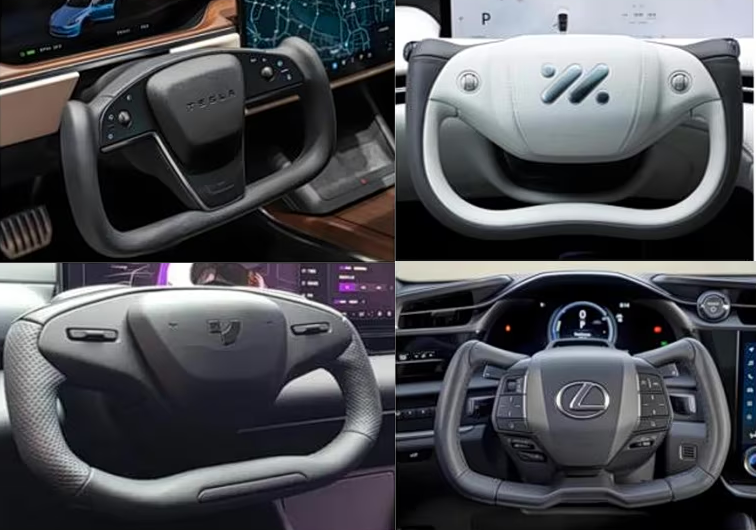
China is preparing to ban the yoke steering wheel. According to draft regulations released by the Ministry of Industry and Information Technology (MIIT), new safety standards scheduled to take effect on January 1, 2027, would effectively make it impossible for vehicles equipped with yoke-style steering wheels to comply with national safety certification requirements.
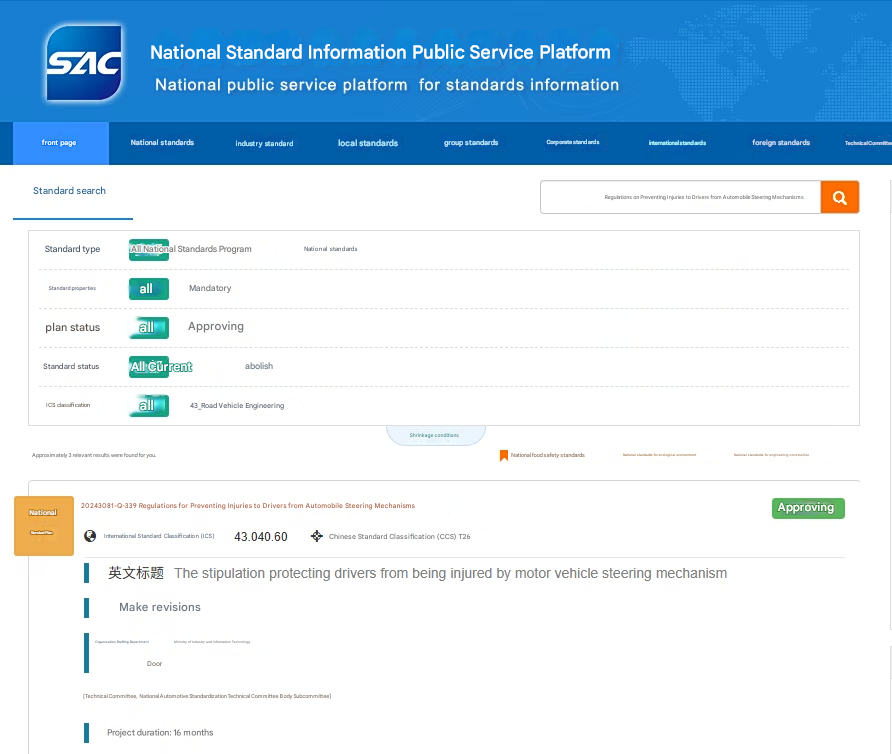
The proposed changes, first reported by Autohome, are part of an updated version of China’s steering safety regulation, which has remained largely unchanged since 2011. With the rapid rise of electric vehicles (EVs) and the introduction of unconventional steering designs, regulators are now tightening crash safety requirements to better protect drivers in collisions.
Under the revised rules, steering wheels must pass impact testing at ten specific points around the rim. These tests include areas described as the “midpoint of the weakest area” and the “midpoint of the shortest unsupported area.” Because yoke steering wheels lack a continuous upper section, these required testing points simply do not exist on the design, making compliance extremely difficult, if not impossible.
Safety concerns appear to be the primary driver behind the move. Crash data cited in the proposal indicates that approximately 46% of driver injuries in collisions involve impacts with the steering mechanism. Traditional round steering wheels provide a larger surface area that can absorb impact energy and help protect occupants.
In contrast, the open-top structure of a yoke increases the likelihood that a driver’s head could bypass the wheel entirely and strike the steering column or dashboard.
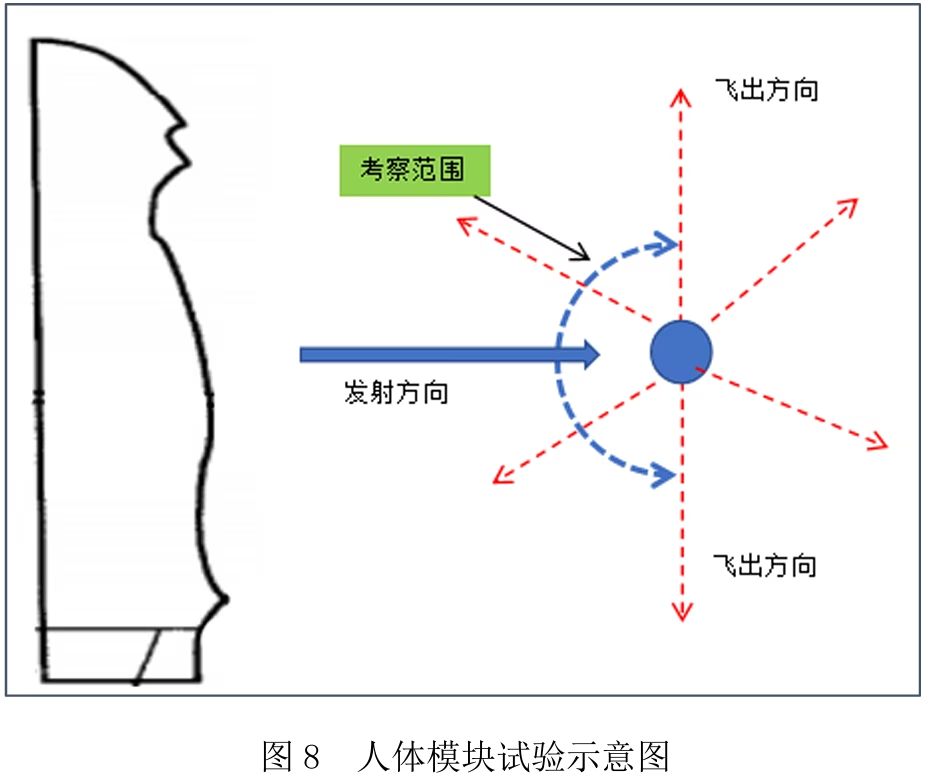
The new standard also introduces stricter requirements for steering column movement during crashes, limits on allowable force transfer, and mandatory human impact simulations that were previously optional. Regulators have also added new testing protocols to ensure steering systems do not pose secondary risks, such as snagging clothing or producing hazardous debris when airbags deploy.
The steering wheel regulation will apply to all newly approved vehicles starting in 2027. Existing models already approved for sale will be granted a transition period, allowing manufacturers time to redesign affected vehicles before full compliance is required.
For Tesla, this ban won’t have much of an impact. While they were among the first automakers to introduce the design on the Model S and Model X in 2021, the company is ending production of its two flagship vehicles in Q2 2026.
China’s regulatory push comes shortly after another safety-related decision targeting EV design. Earlier this month, MIIT introduced new requirements mandating mechanical door release mechanisms for EVs, replacing fully electronic door handles in certain situations, also for 2027. These changes were implemented following reports of crashes where occupants were unable to exit vehicles due to electronic door failures.