Canada’s federal electric vehicle (EV) rebate program is officially returning on February 16, 2026, bringing with it up to $5,000 in incentives for EV buyers—but with several important changes that affect vehicle eligibility.
The new program, part of the federal government’s broader automotive strategy, replaces the previous iZEV rebate and introduces stricter eligibility criteria, new limits on usage, and a gradually declining incentive structure over the next five years.
Up to $5,000 in Rebates Available Again
Under the new program, known as the Electric Vehicle Affordability Program (EVAP), Canadians can receive rebates of up to $5,000 for fully electric vehicles and hydrogen fuel cell vehicles, and up to $2,500 for plug-in hybrid electric vehicles (PHEVs). The incentives apply to both purchases and leases.
However, unlike the previous rebate program, which allowed individuals to claim multiple incentives over time, the new rules limit eligibility to just one rebate per person for the duration of the five-year program. Businesses will be allowed up to 10 rebates total, while car-sharing companies will be eligible for up to 50 rebates per year.
The program is scheduled to run until 2031, though rebate amounts will gradually decrease each year to encourage early adoption and provide a predictable phase-out timeline.
| Vehicle Type | 2026 | 2027 | 2028 | 2029 | 2030 |
|---|---|---|---|---|---|
| Battery Electric & Hydrogen Vehicles | $5,000 | $4,000 | $3,000 | $3,000 | $2,000 |
| Plug-in Hybrid Electric Vehicles (PHEVs) | $2,500 | $2,000 | $1,500 | $1,500 | $1,000 |
New $50,000 Price Cap With Stricter Criteria
One of the most significant changes is how eligibility is determined based on price. Instead of using a base MSRP cap like the previous program, the new rebate applies only to vehicles with a “final transaction value of up to $50,000,” before taxes but including all mandatory fees and options.
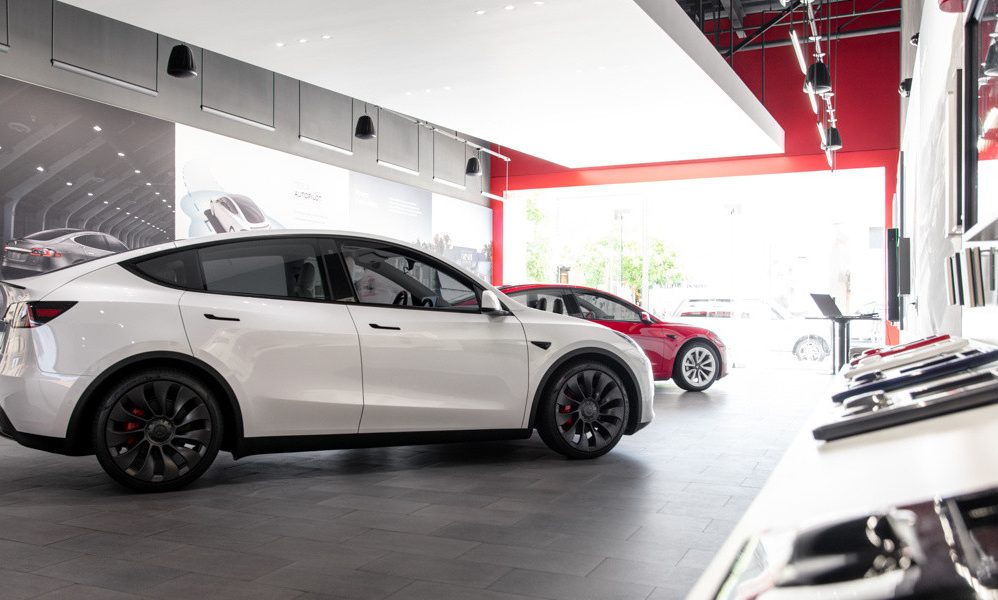
This seemingly small wording change could have major implications. For example, the Tesla Model Y Rear-Wheel Drive (RWD) currently starts at $49,990 in Canada, which would normally fall under the cap. However, once mandatory fees such as the $26 tire levy are added, the final transaction price exceeds $50,000—making it ineligible under the new rules.
Tesla could respond by adjusting pricing or offering configuration changes to bring the Model Y well under the threshold to qualify, but as of now, its eligibility remains uncertain.
Strict Rules on Manufacturing Origin
The new rebate program also includes geographic restrictions on eligible vehicles. Only EVs manufactured in Canada or imported from countries with which Canada has a free trade agreement qualify for the incentive.
This excludes vehicles built in China, even as Canada begins allowing limited Chinese EV imports under separate trade policies. Canadian-built electric vehicles, such as the Dodge Charger EV and Chrysler Pacifica Hybrid, are exempt from the $50,000 price cap entirely—an effort to support domestic manufacturing.
However, it includes Germany, so for Tesla this means the Model Y would be eligible (so long as the pricing issue noted above is resolved), as it is now sourced from Giga Berlin.
New and Demo Vehicles
The rebates apply exclusively to new EVs. However, demonstration vehicles with fewer than 10,000 kilometres that have never been registered will still qualify, providing additional options for buyers.
A Program Designed to Encourage Early Adoption
By gradually reducing incentives over time and limiting how many rebates each individual or company can claim, the federal government is clearly encouraging Canadians to make the switch sooner rather than later.
With rebates returning one week from today, we should be seeing more concrete information released by the federal government in the coming days.