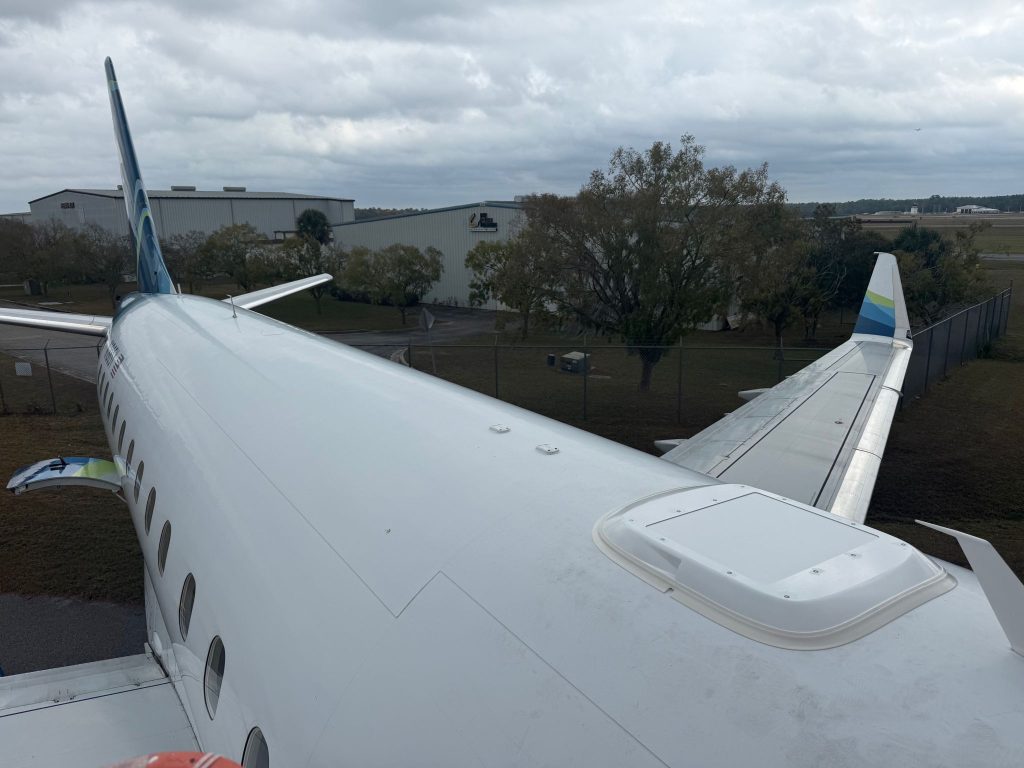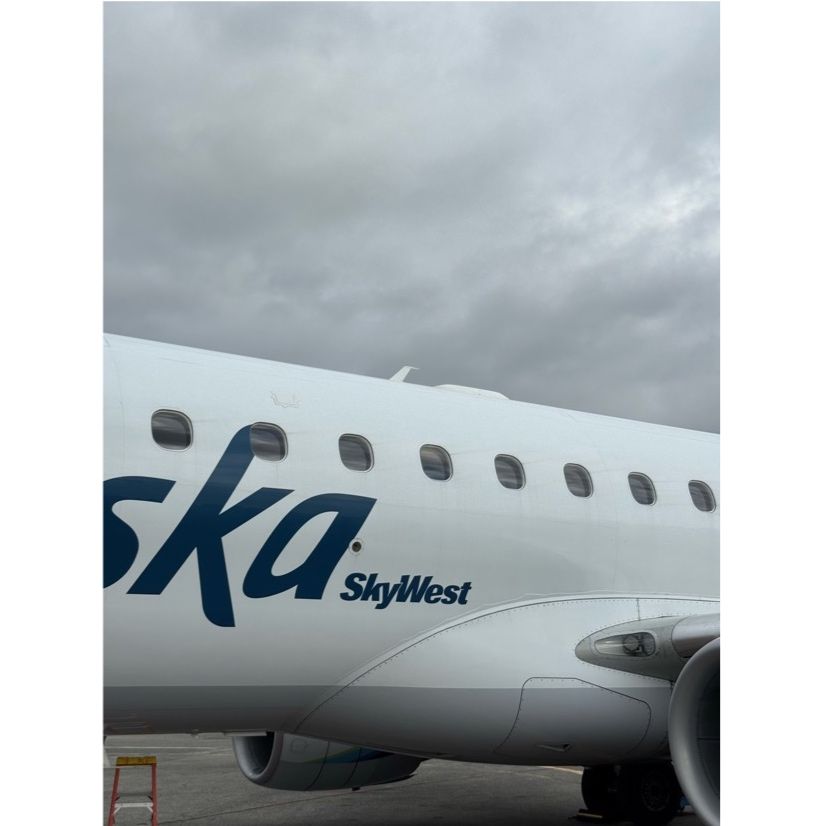
Alaska Airlines is wasting no time when it comes to upgrading in-flight connectivity, announcing it will accelerate the rollout of Starlink Wi-Fi across its entire fleet following an unexpectedly strong debut on regional aircraft.
The airline originally planned a gradual deployment stretching into 2027, but early performance from Starlink-equipped jets has prompted a major change in strategy. Alaska now says it will fast-track installations across its narrowbody and widebody fleet, bringing high-speed satellite internet to passengers much sooner than expected.
A Strong Debut Changes The Timeline
Starlink service first launched on Alaska’s Embraer E175 regional jets in late 2025, giving the airline a real-world test bed for SpaceX’s low-Earth-orbit satellite network. The results were immediate and noticeable. Passengers reported dramatically faster speeds and far lower latency compared to traditional satellite Wi-Fi.
Those results were strong enough for Alaska Airlines to rethink its entire rollout plan. Instead of waiting until 2027, Todd Traynor-Corey, the airline’s Vice President of Guest Products & Experience announced on LinkedIn they will now push Starlink installations across its Boeing 737 and Boeing 787 fleets through 2026, covering nearly all of its aircraft types in a much shorter timeframe.
Why Starlink Stands Out
Starlink’s advantage comes from its low-orbit satellite constellation operated by SpaceX. Because the satellites orbit much closer to Earth than traditional systems, data travels shorter distances, reducing lag and improving reliability. For passengers, the difference is substantial—Wi-Fi that feels closer to home broadband than the frustrating, stop-and-go connections many flyers are used to.
Alaska is also tying the upgrade into its loyalty and partnership strategy. Through its agreement with T-Mobile, eligible customers will be able to access Starlink Wi-Fi at no extra cost, turning fast internet into a standard feature rather than a paid perk.
Efficiency Gains Behind The Scenes
Beyond the passenger experience, Alaska says the new Starlink hardware delivers operational benefits as well. The compact, aerodynamic antenna is lighter than legacy systems, helping reduce fuel burn. Once fully deployed, the airline estimates fuel savings of more than 800,000 gallons per year just by switching to Starlink.