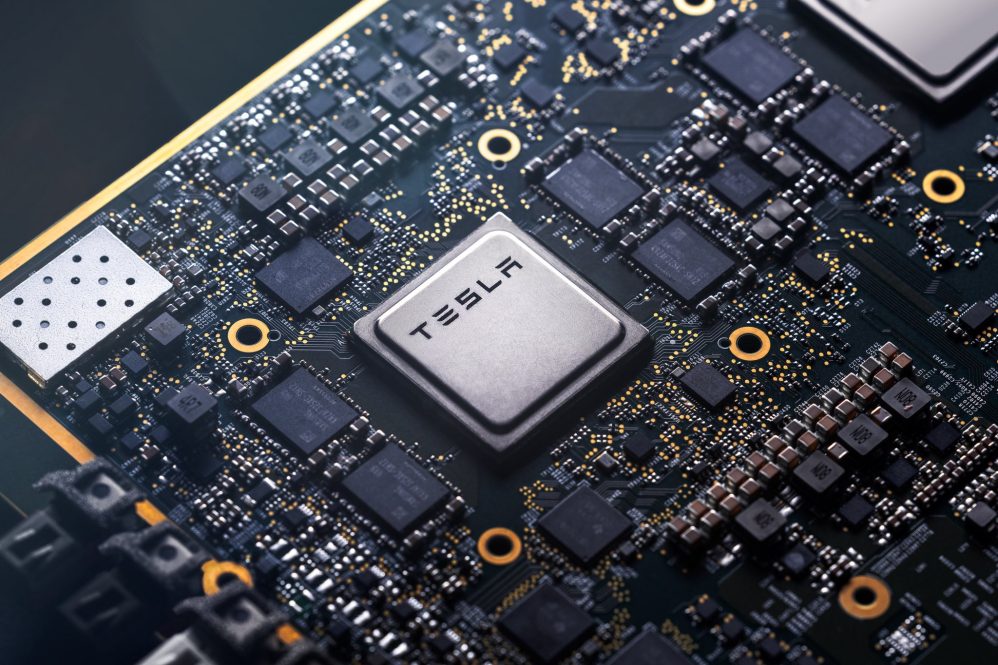
Tesla may be laying the groundwork for a major shift in how its in-vehicle computing systems are designed and maintained, following the publication of a newly surfaced patent that points to a modular Full Self-Driving (FSD) computer architecture.
The patent, originally filed on September 26, 2024 and published on March 26, 2026, outlines a redesigned approach to Tesla’s Media Control Unit (MCU) and FSD computer. The key change is a modular structure, allowing components of the system to be removed and replaced independently, rather than requiring a full unit swap.
While Tesla frequently iterates on its hardware behind the scenes, this filing offers one of the clearest indications yet that the company is exploring a more flexible and serviceable computing platform for its vehicles.
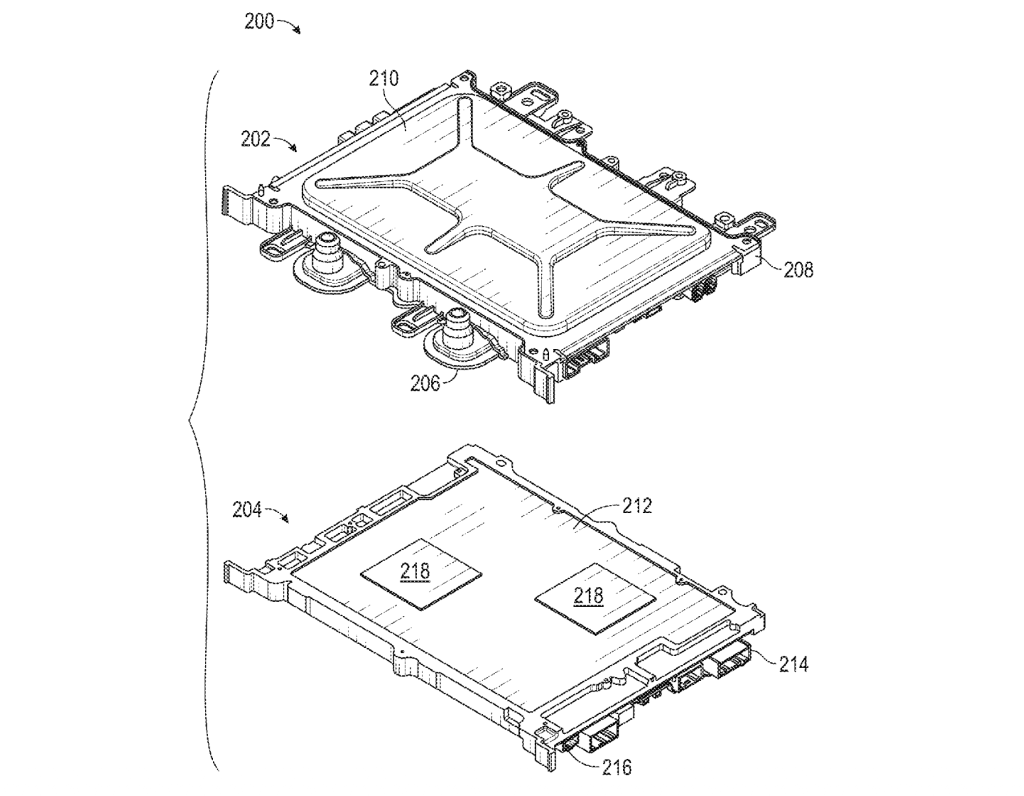
At a high level, the modular design could simplify both servicing and future upgrades. Current vehicle computers are tightly integrated, often requiring technicians to disconnect cooling systems and multiple connections to access or replace components.
By contrast, the patent describes a setup where certain modules can be swapped without disturbing the entire assembly, potentially reducing repair times and complexity.
Beyond servicing, the implications for hardware upgrades could be more significant. Tesla has historically required full computer replacements when moving between hardware generations, such as from HW2.5 to HW3, and more recently to AI4.
A modular system could allow Tesla to upgrade only specific parts of the compute stack—such as the FSD processor—without replacing the entire unit.
Although the patent does not explicitly reference future hardware versions, the company is expected to continue advancing its FSD hardware, with the next-generation platform often referred to as AI5 set to potentially launch next year, followed by AI6 after that in 2028. A modular approach could provide Tesla with greater flexibility during this transition, allowing incremental improvements rather than large, all-at-once hardware changes.
The design could also support longer-term durability. As Tesla vehicles increasingly rely on AI workloads for Full Self-Driving (Supervised), certain components may experience higher wear over time. A modular system would make it easier to replace only the affected parts, rather than the entire computer, potentially lowering maintenance costs and extending vehicle lifespan.
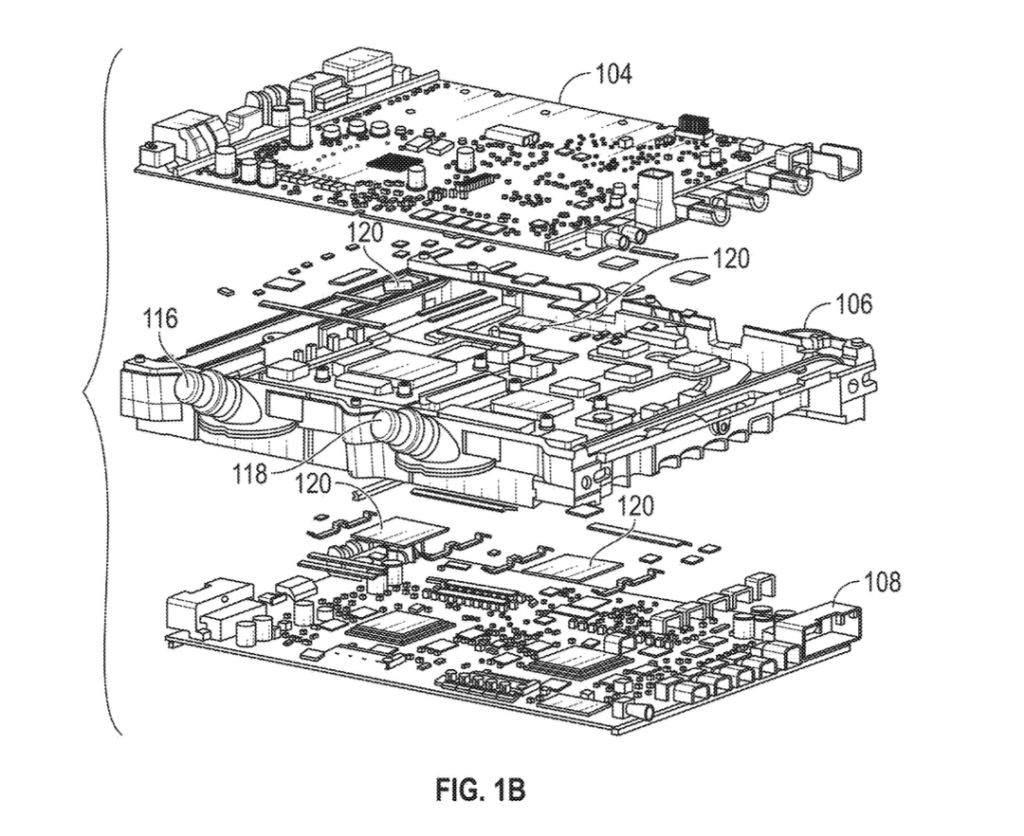
Images included in the patent appear to resemble Tesla’s current AI4 computer, suggesting the concept may build on existing hardware rather than representing a completely new design from scratch.
As with all patents, there is no guarantee Tesla will bring this exact system to production. However, the filing provides a glimpse into how the company may be thinking about the future of in-car computing—one that prioritizes flexibility, scalability, and easier upgrades as its AI ambitions continue to grow.
You can read the full patent below.

Always get the latest - make Drive Tesla your preferred source on Google
Are you buying a Tesla? If you enjoy our content and we helped in your decision, use our referral link to get three months of Full Self-Driving (FSD).Drive Tesla uses affiliate links, which means we may earn a commission if you make a purchase through them, at no additional cost to you. Thank you for your support.