Canada’s federal electric vehicle (EV) rebate has officially returned today under a new name and revised structure. As of February 16, 2026, Canadians can once again receive incentives when purchasing or leasing eligible EVs through the newly launched Electric Vehicle Affordability Program (EVAP).
The new EVAP replaces the previous federal rebate program, but offers the same rebates – up to $5,000 for battery-electric and hydrogen fuel cell vehicles, and up to $2,500 for plug-in hybrid electric vehicles (PHEVs). The incentive applies to both purchases and leases, although the rebate amounts will diminish over the course of the 5-year program.
The $50,000 Rule: What Really Determines Eligibility
One of the most important factors under EVAP is something called the “final transaction value,” and not MSRP like inder the previous iZEV program. To qualify for the incentive, the final transaction value must be $50,000 or less, though there is a key exception: EVs manufactured in Canada are not subject to a transaction value cap.
The final transaction value represents the negotiated purchase price between the buyer and dealership. It includes:
- Vehicle base price and trim
- Optional packages, paint, and upgrades
- Accessories such as roof racks or floor mats
- Dealer and administrative fees
However, several items do not count toward the limit, including extended warranties, winter tires, chargers, financing costs, taxes, and government rebates.
This distinction is critical because a vehicle may appear affordable based on MSRP, but optional upgrades or dealer fees could push the final transaction value above the $50,000 threshold, making it ineligible.
Which Vehicles Qualify Under EVAP
Transport Canada has published a list of eligible vehicles, though the government notes that the list is not exhaustive and eligibility ultimately depends on the final transaction value and other criteria. Some of the EVs that are confirmed to qualify include:
Battery-electric vehicles eligible for up to $5,000:
- Chevrolet Bolt EV
- Chevrolet Equinox EV
- Dodge Charger EV
- Fiat 500e
- Ford Mustang Mach-E
- Hyundai Kona Electric
- Toyota bZ4X
Plug-in hybrid vehicles eligible for up to $2,500:
- Chrysler Pacifica PHEV
- Ford Escape PHEV
- Toyota Prius Prime
Vehicles must also meet several other requirements, including being newly registered, highway-capable, compliant with Canadian safety standards, and manufactured either in Canada or in countries with free-trade agreements with Canada. This does not include China, even though Canada recently dropped tariffs on Chinese-made EVs.
Vehicles that have been used as demos (aka for test drives) and that have less than 10,000 km are also eligible for the rebate.
Tesla Model Y RWD Currently Ineligible
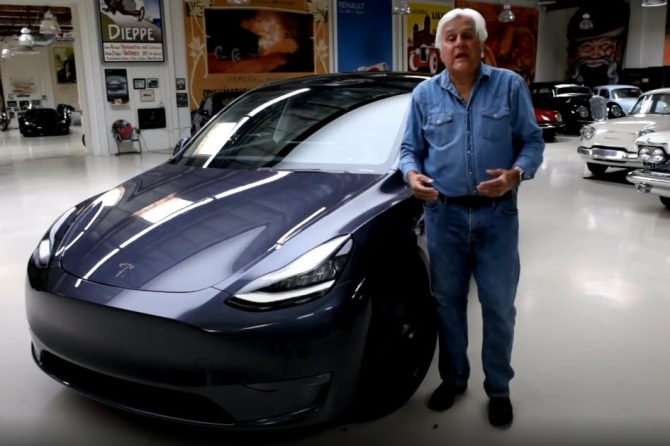
One notable omission from the eligible list is the Tesla Model Y Rear-Wheel Drive (RWD), which starts at $49,990 in Canada. While the starting price falls below the $50,000 threshold, the vehicle’s mandatory fees push the final transaction value above the eligibility limit.
Ahead of the program’s launch, we thought Tesla might adjust its pricing strategy to ensure the Model Y RWD qualified. This could have included lowering the base price slightly, as it did several times under the previous rebate program, or restructuring certain fees, in particular, its $2,500 Destination Fee. Since Transport Canada excludes certain items—such as pre-delivery inspection and freight charges—from the final transaction value calculation, depending on how they are categorized, there was speculation Tesla could restructure or reclassify its destination fee so it would fall under these excluded categories, potentially allowing the Model Y RWD to qualify.
However, Tesla has so far made no pricing adjustments or structural changes to the Model Y RWD in Canada. As a result, based on its current pricing and fee structure, the vehicle’s final transaction value exceeds the $50,000 cap, making it ineligible for the federal EVAP rebate at this time.

This could change in the future if Tesla adjusts pricing or restructures fees to bring the Model Y RWD within the program’s limits.
Important Timing and Program Details
EVAP incentives apply to vehicles purchased or leased on or after February 16, 2026. The rebate amount is determined by when the dealership submits eligibility paperwork, not the delivery date.
The program is also structured to gradually reduce incentive amounts over time, meaning early adopters will benefit from the full rebate value.
| 2026 | 2027 | 2028–29 | 2030 | |
|---|---|---|---|---|
| BEV | $5,000 | $4,000 | $3,000 | $2,000 |
| PHEV | $2,500 | $2,000 | $1,500 | $1,000 |
Transport Canada also notes that “the Minister of Transport has final say on vehicle and transaction eligibility,” and program terms may evolve as EV adoption grows.
You can read more about the Electric Vehicle Affordability Program (EVAP) on Transport Canada’s website.

Always get the latest - make Drive Tesla your preferred source on Google
Are you buying a Tesla? If you enjoy our content and we helped in your decision, use our referral link to get three months of Full Self-Driving (FSD).Drive Tesla uses affiliate links, which means we may earn a commission if you make a purchase through them, at no additional cost to you. Thank you for your support.