Tesla has kicked off 2026 in China with a solid performance, posting year-over-year growth at a time when much of the country’s electric vehicle (EV) market was pulling back.
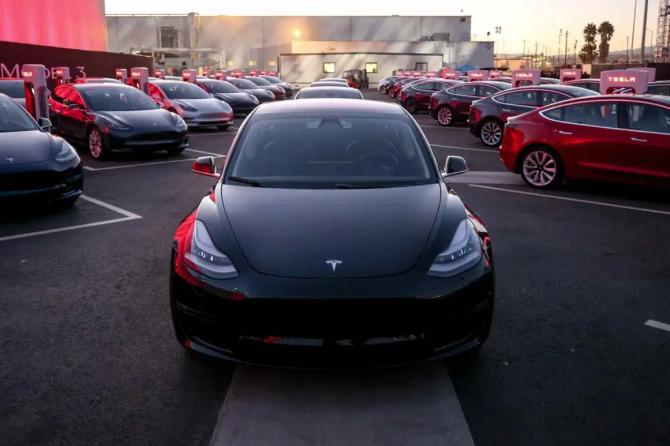
According to data from the China Passenger Car Association (CPCA) released on Wednesday, Tesla’s Shanghai factory delivered a total of 69,129 vehicles in January. This figure includes both domestic sales and exports, a breakdown of which is expected later this week or early next week.
Tesla’s performance is a 9.3% increase compared to January 2025, when Tesla sold 63,238 China-made vehicles. However, the January total was also down 28.9% from December 2025, when Tesla shipped 97,171 vehicles. The decline was not unexpected though as all automakers typically see sharp seasonal drop following China’s year-end sales rush.
Looking at Tesla’s recent January performance highlights how 2026 is shaping up relative to prior years. January 2026 sales came in just below January 2024’s 71,447 units, but comfortably above January 2025’s 63,238 units. That places this year’s opening month near the high end of Tesla’s recent performance range in China, despite broader market difficulties.
Those difficulties are significant. CPCA estimates that total passenger new energy vehicle (NEV) wholesale volumes reached about 900,000 units in January, up just 1% year-on-year but plunging 42% from December.
Even with those challenges, Tesla outperformed major rivals. China’s largest EV manufacturer, BYD (which could soon be landing in Canada), reported steep declines in January, with deliveries falling sharply both year-on-year (30%) and month-on-month (50%). (via CNEvPost) That contrast highlights Tesla’s relative resilience, particularly as many automakers struggled to maintain momentum after December’s delivery surge.
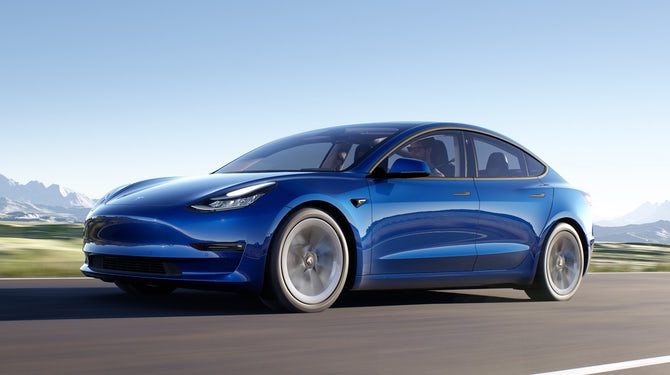
Tesla has also been proactive in addressing early-year softness. On January 6, the company rolled out another low-interest financing program in China for the Model 3 and Model Y. Later in the month, Tesla sweetened the deal further by reintroducing insurance subsidies for the Model 3.

Always get the latest - make Drive Tesla your preferred source on Google
Are you buying a Tesla? If you enjoy our content and we helped in your decision, use our referral link to get three months of Full Self-Driving (FSD).Drive Tesla uses affiliate links, which means we may earn a commission if you make a purchase through them, at no additional cost to you. Thank you for your support.