
Tesla recorded its strongest year ever in Japan in 2025, posting a sharp increase in vehicle deliveries after expanding its retail presence and revamping how it sells and supports customers in the country.
According to data from the Japan Automobile Importers Association, Tesla sold about 10,600 vehicles in Japan last year, a roughly 90 percent increase from the year before and nearly double its previous high of about 5,900 vehicles set in 2022.
That growth stands out even more when placed against Tesla’s global performance, as worldwide sales fell 9 percent to 1.63 million vehicles in 2025, with sales in Canada dropping by more than 60%. Japan, in other words, was a rare bright spot.
The turnaround began in late 2024 when Richi Hashimoto took over as Tesla’s country manager. Coming from a background in sports marketing at Red Bull, Hashimoto quickly identified Tesla’s biggest weakness in Japan: people simply weren’t encountering the brand in their daily lives.
“With low brand awareness, few people would set out to come to a Tesla dealership” along a busy road, Hashimoto said. “We first had to introduce people to Tesla.” (via Nikkei)
Instead of relying on stand-alone stores tucked away on highways, Tesla pivoted hard toward high-traffic retail. In 2025 alone, the company opened 16 new permanent showrooms, all inside major shopping centers. Compact storefronts inside malls were paired with test-drive vehicles parked just outside, giving shoppers easy, low-pressure access to the cars.
By the end of the year, Tesla had 29 locations nationwide, including first-ever entries into markets like Okinawa and Hokkaido.
At the same time, Tesla overhauled how its staff interacted with customers. When Hashimoto arrived, only about 10 percent of employees met his expectations for product knowledge. He retrained the entire sales force in three months and redesigned onboarding so new hires could start closing deals within their first week. Tesla, he said, “merely started doing what’s considered normal” in the wider auto industry — but it made an immediate difference.
The results show up in efficiency. Tesla averaged about 366 vehicle sales per store last year, well above Mercedes-Benz at 250.5 and BMW at 210.2, even with Tesla’s continued reliance on online ordering.
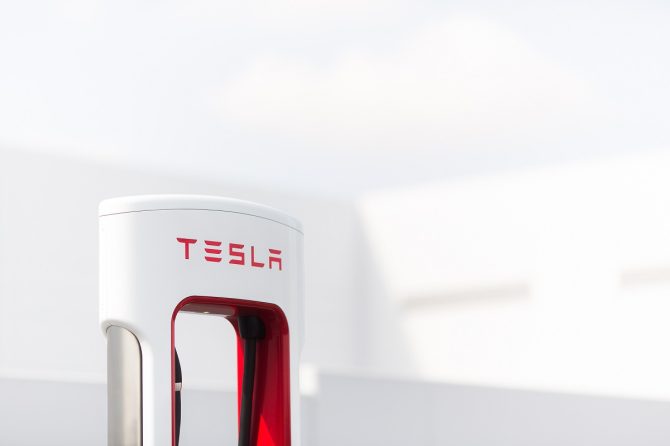
Infrastructure and technology are also strengthening the brand’s position. Tesla plans to grow its Supercharger network in Japan to more than 1,000 charging points by 2027, giving drivers faster and more reliable charging than the country’s legacy CHAdeMO standard. Meanwhile, Full Self-Driving, already active in the U.S. and South Korea, is expected to reach Japan as early as this year.
And now Tesla is adding a powerful financial catalyst. As of January 2026, buyers in Japan can finance a Model 3 or Model Y at 0 percent interest for up to five years if they take delivery by March 31. When paired with Japan’s ¥1.27 million Clean Energy Vehicle subsidy, Tesla says the Model 3 RWD starts from an effective price of about ¥4.04 million, while the Model Y RWD begins around ¥4.30 million. That translates to monthly payments of roughly C$155 for the Model 3 and C$165 for the Model Y — numbers that dramatically lower the barrier for first-time EV buyers.

Always get the latest - make Drive Tesla your preferred source on Google
Are you buying a Tesla? If you enjoy our content and we helped in your decision, use our referral link to get three months of Full Self-Driving (FSD).Drive Tesla uses affiliate links, which means we may earn a commission if you make a purchase through them, at no additional cost to you. Thank you for your support.