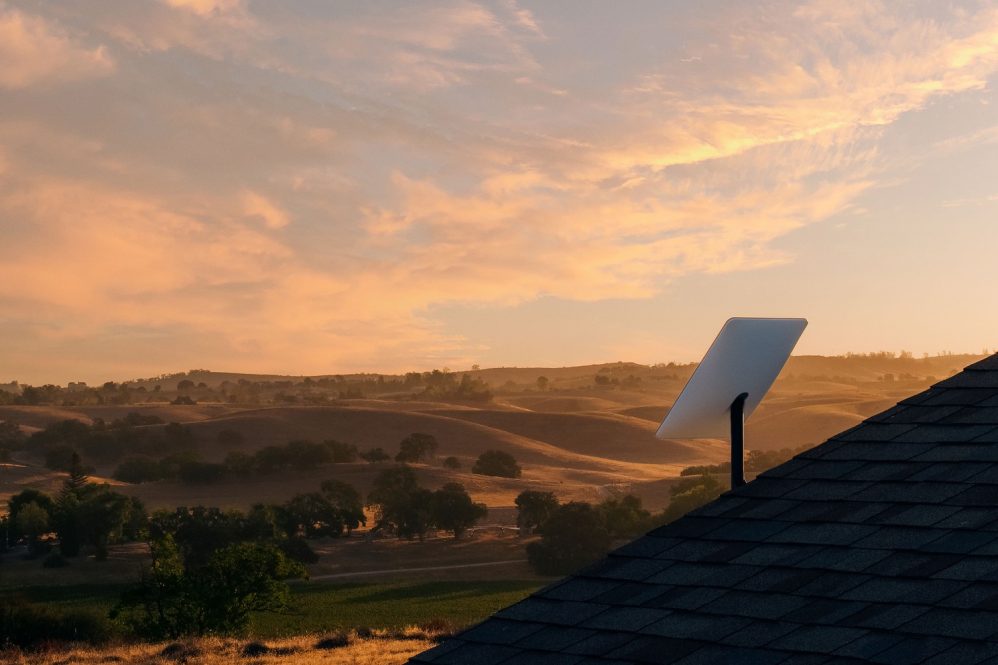
SpaceX’s Starlink is set to play a major role in closing the digital divide across the United States. All 50 states have now submitted their final proposals under the federal Broadband Equity, Access, and Deployment (BEAD) initiative, revealing how billions in funding will be deployed to connect underserved communities. According to the latest figures, Starlink is positioned to receive more than $661 million of that support.
With a focus on expanding high-speed internet to hard-to-reach regions, states are increasingly turning to satellite-based solutions as a cost-effective alternative to fiber—especially in areas where infrastructure build-outs can run into the tens of thousands of dollars per location. Under the latest breakdown, the BEAD program would subsidize Starlink to deliver connectivity to those hard-to-reach regions to the sum of 478,073 locations across the country. (via PC Mag)
Amazon Leo, the newly rebranded Project Kuiper, will also benefit, with $302.4 million earmarked to enable satellite broadband for 415,479 homes and businesses. Combined, the two providers are expected to cover nearly 900,000 underserved locations—representing roughly 22% of the total target under the BEAD rollout.
California will be Starlink’s single largest market under BEAD support. The state expects to spend $164 million on satellite deployments, splitting the funds between the two providers: approximately $63 million for SpaceX to cover 46,000 sites and nearly $101 million to bring Leo to more than 92,000 locations.
Even with satellite gaining momentum, traditional fiber deployments are still capturing the largest share of spending. Approximately 63% of the program’s $42.5 billion budget will be directed at fiber installations, with the remainder allocated toward fixed wireless, hybrid solutions, and satellite internet.
While pricing requirements under BEAD remain unclear, SpaceX has recently launched lower-cost Residential tier plans and continues working toward gigabit-class performance through future launches of its next-generation satellites.
BEAD funds are still subject to final approvals, and some state allocations may adjust slightly. But with every state now in the pipeline and federal agencies already signing off on completed proposals, Starlink’s share of the U.S. broadband future looks increasingly locked in.

Always get the latest - make Drive Tesla your preferred source on Google
Are you buying a Tesla? If you enjoy our content and we helped in your decision, use our referral link to get three months of Full Self-Driving (FSD).Drive Tesla uses affiliate links, which means we may earn a commission if you make a purchase through them, at no additional cost to you. Thank you for your support.