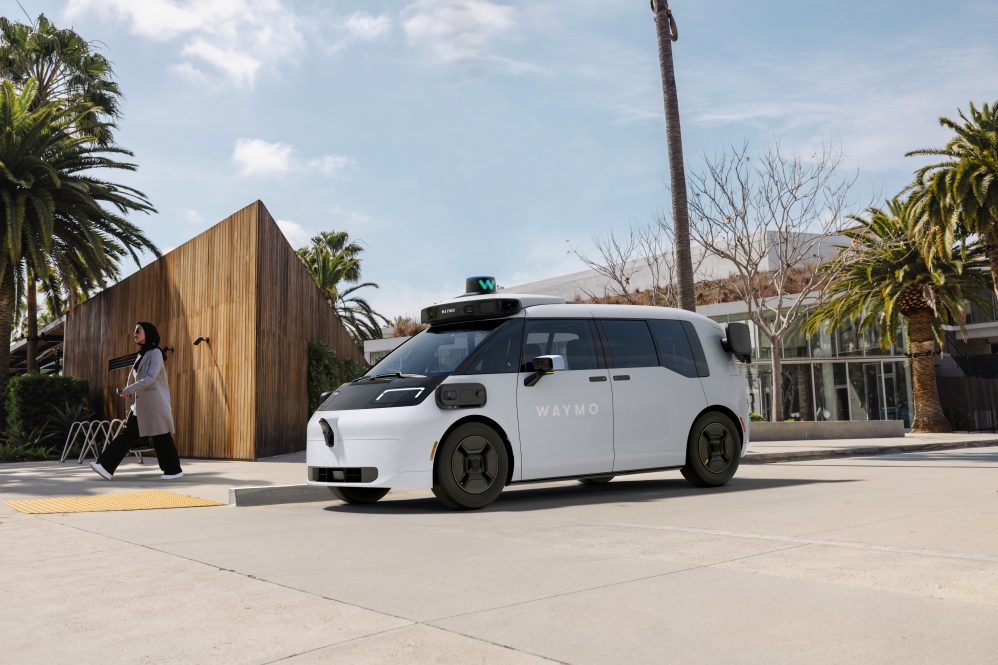
Waymo has officially named the next vehicle as the company moves beyond the Jaguar I-Pace that has quietly powered its growth so far. Revealed at CES 2026 this week, the new autonomous electric van is called Ojai, a purpose-built robotaxi developed by Chinese automaker Zeekr exclusively for Waymo’s fleet.
Despite launching and scaling in cities like San Francisco, Phoenix, Los Angeles, Austin, and Atlanta, Waymo has relied almost entirely on the aging Jaguar I-Pace, but that’s changing. As the Alphabet-owned company prepares to expand into more than 20 additional cities, including markets like Denver, Las Vegas, Miami, Dallas, and Houston, it needs vehicles designed specifically for autonomy—and at scale.
The Ojai name, pronounced “oh hi,” is itself is a strategic move. Waymo says most U.S. riders aren’t familiar with the Zeekr brand, so the vehicle was renamed after the Southern California city to feel more approachable and recognizable. Underneath that friendly name, however, is some of Waymo’s most advanced hardware yet.
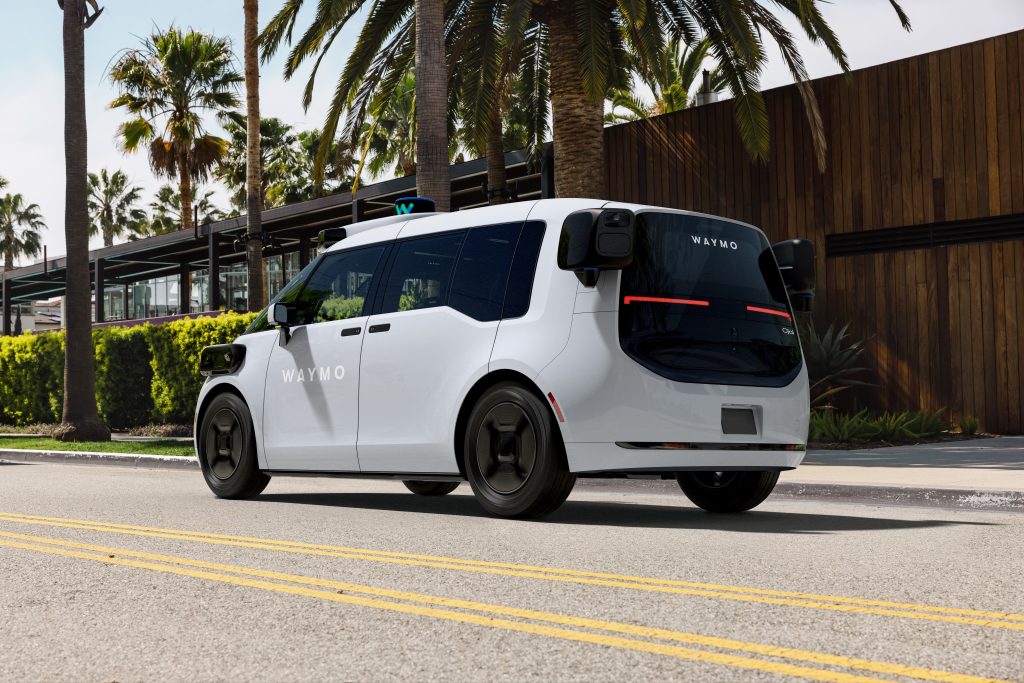
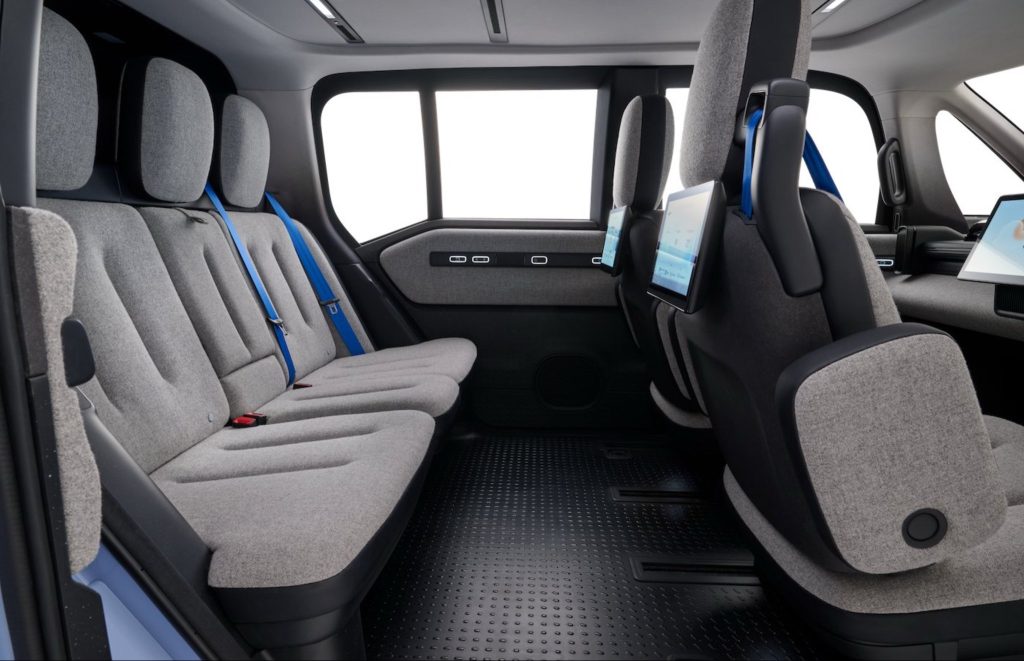

Built in China by Zeekr and shipped to the United States, the Ojai is then outfitted at Waymo’s Arizona facility with the company’s sixth-generation autonomous driving system. That includes a sensor suite featuring 13 cameras, six radars, and four LiDAR units, along with external audio receivers. While that’s fewer cameras than the I-Pace-based system, Waymo says advances in sensor capability allow for better performance with less complexity.
While Waymo hasn’t published final U.S. range figures, regulatory filings tied to the vehicle’s earlier Zeekr RT identity point to an 800-volt electrical architecture and a lithium-iron phosphate battery pack, enabling faster charging than the I-Pace. For ride-hailing, uptime and charging speed matter more than headline range numbers.
The Ojai won’t be alone. Waymo also plans to introduce autonomous Hyundai Ioniq 5s running the same sixth-generation hardware, while roughly 1,000 remaining Jaguar I-Paces will continue operating for years due to their long duty cycles. Over time, though, Waymo’s fleet will increasingly shift toward purpose-built vehicles like the Ojai—designed from the ground up for autonomous mobility at scale.