Tesla has released its first-quarter 2026 production and delivery results, reporting 358,023 vehicle deliveries globally, a figure that fell short of Wall Street expectations and marked a noticeable decline from the previous quarter.
The latest numbers represent a 14% drop compared to Q4 2025, typically the strongest quarter of the year, although deliveries were still up about 6% year-over-year from the 336,681 vehicles delivered in Q1 2025. Analysts had been expecting closer to 370,000 deliveries, with Tesla’s own compiled consensus estimate sitting at 365,645 units.
On the production side, Tesla built 408,386 vehicles during the quarter, significantly outpacing deliveries. The roughly 50,000-unit gap suggests a growing inventory buildup, a notable shift for a company that has historically aligned production closely with demand.
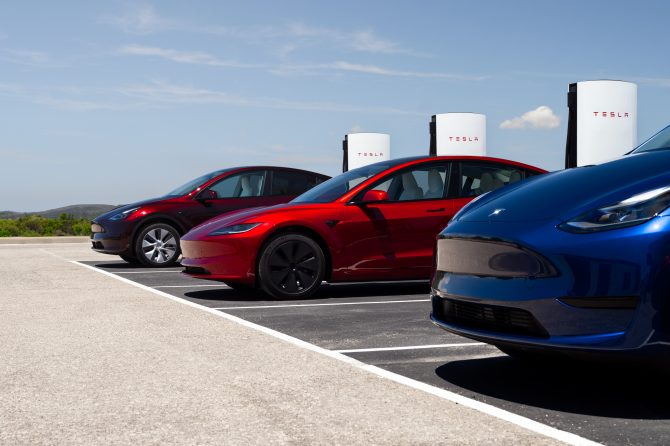
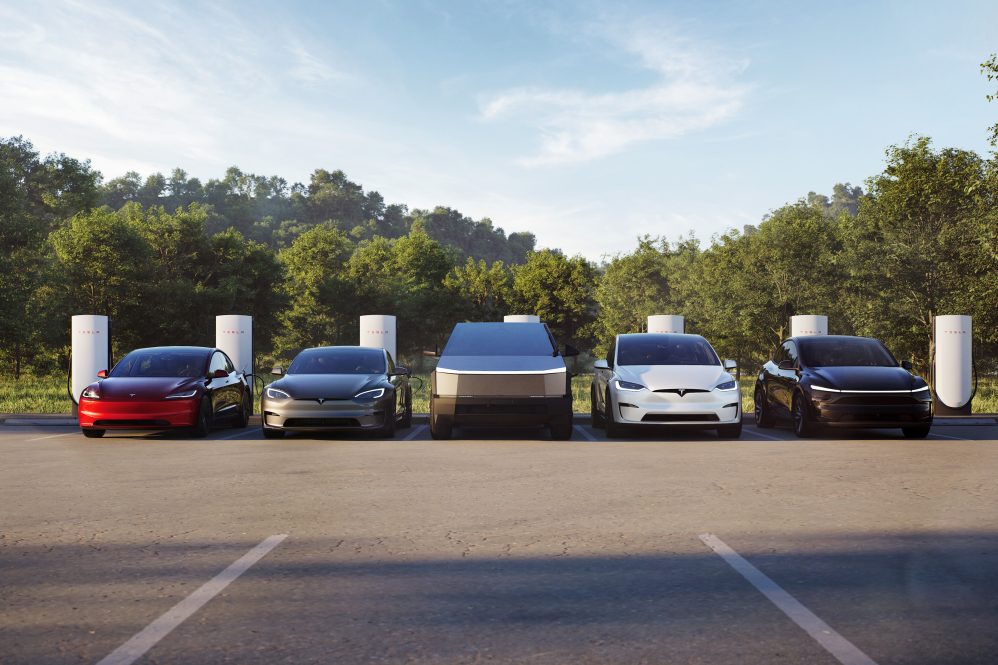
As expected, the Tesla Model 3 and Tesla Model Y remained the backbone of Tesla’s lineup, accounting for 341,893 deliveries, or the vast majority of total volume. Meanwhile, deliveries of other vehicles—including the now discontinued Model S and Model X, along with the Cybertruck—totaled just 16,130 units.
The results come amid a broader transition for Tesla. CEO Elon Musk recently confirmed that custom orders for the Model S and Model X have ended, marking the beginning of the end for the company’s original flagship vehicles. Production capacity at the Fremont factory is expected to shift toward the Optimus humanoid robot program.
While Tesla continues to promote future products like its robotaxi platform and Optimus, the company still relies heavily on vehicle sales for revenue. That dependence makes quarterly delivery performance a key metric for investors, even as Tesla attempts to reposition itself as an AI and robotics company.
Regionally, China played a significant role in supporting Tesla’s Q1 results. The company saw strong momentum there, with over 213,000 vehicles delivered in the quarter, accounting for nearly 60% of global volume. However, this strength was not enough to offset weaker demand trends in North America and Europe, where incentives have been reduced and competition has increased.
Tesla’s energy business also showed signs of slowing, with 8.8 GWh of energy storage deployed during the quarter. That figure is down both sequentially and year-over-year, following a record 14.2 GWh deployment in Q4 2025.
The market reaction was swift, with Tesla shares falling following the report as investors digested the weaker-than-expected delivery numbers and rising inventory levels.
Attention will now turn to Tesla’s first-quarter earnings call later this month on April 22.