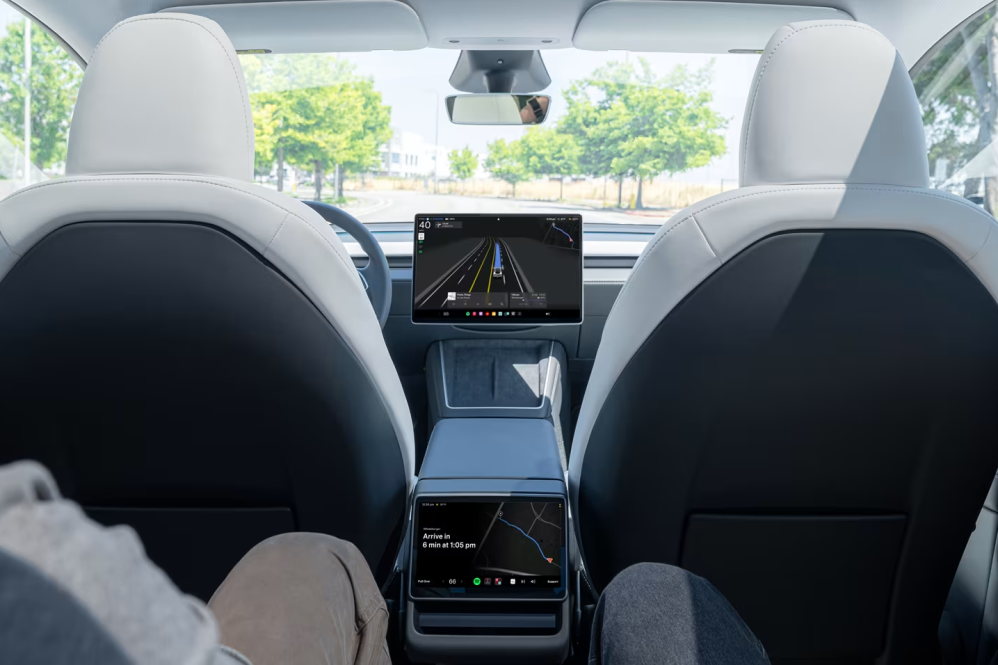
Tesla has officially rolled out cleaning fees for its Robotaxi service, marking another key step as the company prepares its autonomous ride-hailing platform for broader deployment.
While the feature was first hinted at in a Robotaxi app update back in November, Tesla has now confirmed how the policy will work—and how much riders could be charged if they leave a mess behind.
Under the new structure, Tesla will apply cleaning fees based on the severity of the mess left in the vehicle. A $50 fee will be charged for moderate issues such as food spills, significant dirt, or minor stains. More serious incidents—including biowaste or smoking inside the vehicle—will result in a $150 fee.
Tesla says the goal is to maintain a consistent and comfortable experience for all riders while encouraging responsible behavior in a fully driverless environment.
“We prioritize maintaining a clean and comfortable environment for all riders and promoting responsible rider behavior,” Tesla said. “To address incidents where vehicles require additional cleaning after a trip, we will assess the type and severity of the mess and apply the appropriate fee.”
How the Cleaning Fee Process Works
Once a fee is assessed, riders will receive an email notifying them that additional cleaning was required following their trip. An updated receipt will also appear in the Ride History section of the Robotaxi app. If a rider believes a charge was applied incorrectly, Tesla directs them to contact Customer Support.
Unlike traditional ride-hailing services such as Uber or Lyft—where a human driver documents and reports a mess—Tesla’s Robotaxi fleet must rely on a combination of automated detection systems and fleet inspections. Vehicles may be flagged during charging, servicing, or turnaround cycles, with the fee then assigned to the most recent rider.
A Feature First Spotted in November
The cleaning fee system was first uncovered in a decompiled version of Tesla’s Robotaxi app (v25.11.0) back in November, alongside several other behind-the-scenes upgrades. At the time, new UI strings referenced post-trip cleaning notices and standardized fee language, signaling that Tesla was laying the groundwork for fleet-scale operations.
That same update also introduced post-trip ride ratings, allowing riders to evaluate their autonomous experience. Rather than judging a driver, these ratings focus on vehicle condition, ride quality, and system performance—creating a feedback loop that can trigger inspections, software adjustments, or operational changes.
Built for Scale
Cleaning fees may seem like a minor addition, but they highlight one of the unique challenges of running a driverless taxi network. Without an onboard human to intervene, document issues, or clean up between trips, Tesla needs clear rules, automated enforcement, and consistent standards across its fleet.
The update also aligns with Tesla’s broader Robotaxi push, which includes accessibility improvements and long-term plans for inclusive vehicle designs. Elon Musk has previously said accessibility is a priority for the Robotaxi program, and recent app strings hint at future support for assistive technologies and potentially wheelchair-accessible configurations.
Looking further ahead, Tesla is also working on a longer-term solution to fleet cleanliness that could reduce downtime altogether: an autonomous interior vacuum system. The concept, which Tesla was first teased at the ‘We, Robot’ event, envisions a robotic vacuum capable of entering Robotaxis during charging or service cycles to automatically clean floors, seats, and high-contact areas without human intervention. For a large autonomous fleet operating around the clock, such a system could dramatically lower operating costs while keeping vehicles consistently ready for the next rider.