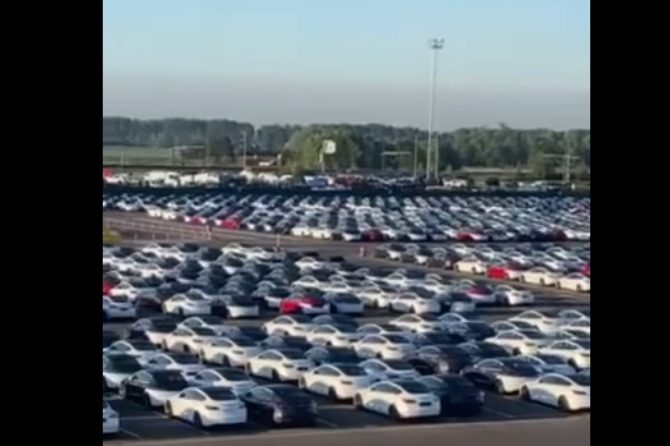
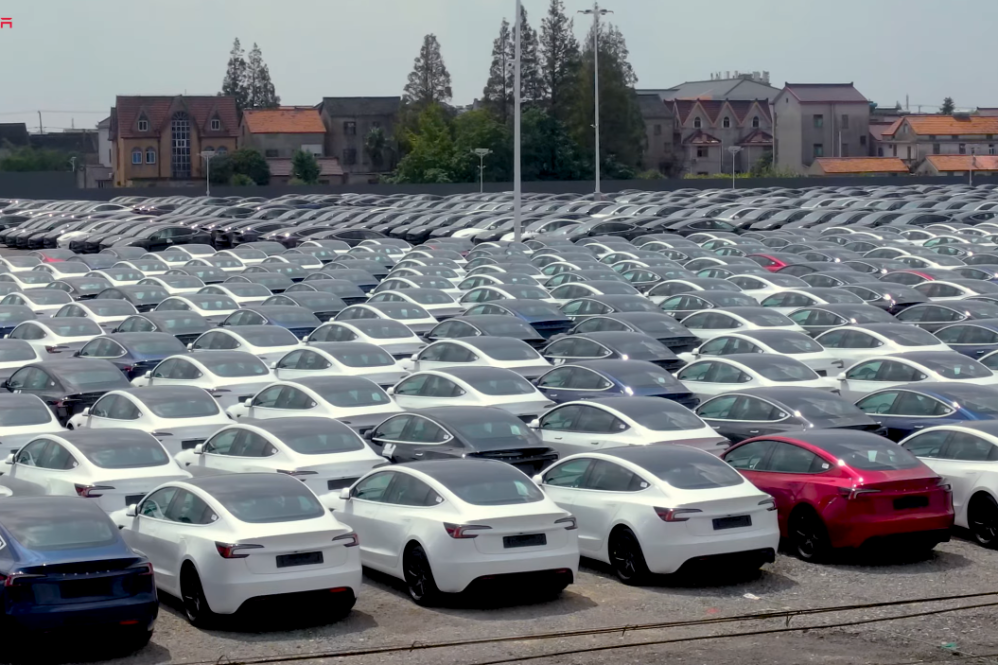
South Korea has now become a major destination for Tesla vehicles produced at the auto company’s Shanghai Gigafactory. According to data from the China Passenger Car Association (CPCA), Tesla built about 850,000 vehicles at the facility last year, and exported 226,034 units. About 59,215 units, a quarter of the exports, were Model 3 and Model Y vehicles sold in South Korea.
This record is more noteworthy considering Tesla’s weaker performance in other regions. In Europe, the EV pioneer’s sales fell 27.8 percent year over year. China tells a similar story, with deliveries declining 4.8 percent amid intensifying price competition. With demand softening in both markets, South Korea emerged as a strong alternative due to steady EV demand and generous incentives.
Another factor in favor of South Korea’s new top position is government support. Industry estimates suggest more than $136 million (200 billion Korean Won) in national and local subsidies were used to purchase Chinese-made Tesla EVs last year. The Model Y took the lion’s share, accounting for about $116 million (170 billion Korean Won), making it the most subsidized electric vehicle in the country.
Tesla also adjusted pricing to stay competitive in South Korea. Prices for the Model 3 Standard RWD and Long Range RWD were reduced by $6,800 and $4,700, respectively, earlier this year. This price slash and the subsidies allowed Tesla’s purchase prices to undercut domestic rivals such as Hyundai’s Ioniq 5.
Tesla’s growth in the Asian country also reshaped South Korea’s EV market. Locally made EV sales rose 38 percent last year, while imported EVs jumped 78 percent, led by Tesla.
In a move to keep up the momentum, the American automaker made adjustments to its South Korean lineup, including removing several Model 3 trims and introducing new Model Y variants.