Tesla has secured regulatory approval to supply electricity directly to homes and businesses across Great Britain. The approval follows an eight-month review process that began after Tesla submitted its application in mid-2025.
The approval was granted on Thursday by the UK’s energy regulator Ofgem, allowing Tesla Energy Ventures Ltd. to operate as an electricity supplier in England, Scotland, and Wales.
With the new license in place, Tesla can now sell electricity directly to consumers rather than simply generating power or providing energy storage solutions. The move effectively opens the door for Tesla to replicate its Tesla Electric program, which launched in 2022, outside the United States for the first time.
Tesla already held a UK electricity generation license through a separate subsidiary since 2020. That license allowed the company to produce and feed electricity into the grid, but not bill customers directly.
The new supply license completes the missing piece of the puzzle. Together, the two approvals give Tesla a full pathway to generate electricity, store it using battery systems, and sell it to customers.
Tesla’s UK application was filed through Tesla Energy Ventures, a Manchester-based subsidiary responsible for the company’s European energy operations.
Tesla’s electricity business currently operates in Texas under the Tesla Electric brand, where it offers customers competitive electricity rates combined with its energy products.
In that program, Tesla vehicle owners and Powerwall users can charge their cars during cheaper off-peak hours while also earning money by sending stored electricity back to the grid during periods of high demand, effectively turning home batteries and electric vehicles into part of a distributed energy network.
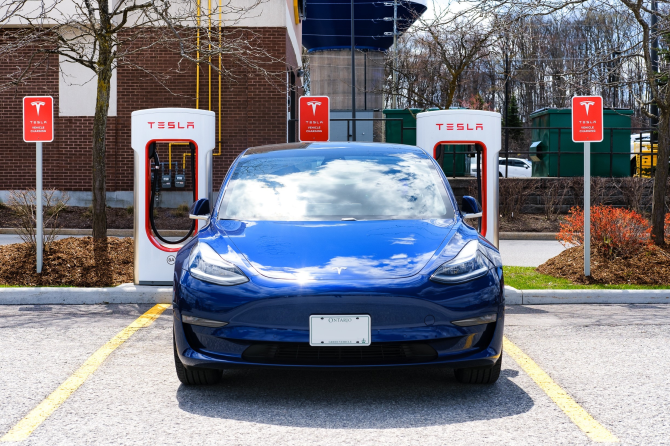
A similar approach could work well in Britain, where more than 250,000 Tesla vehicles are already on the road. Those drivers, along with Powerwall owners, could form the company’s initial customer base.
Tesla also has experience operating virtual power plants, which aggregate thousands of home batteries to stabilize electricity supply and reduce peak demand on the grid.