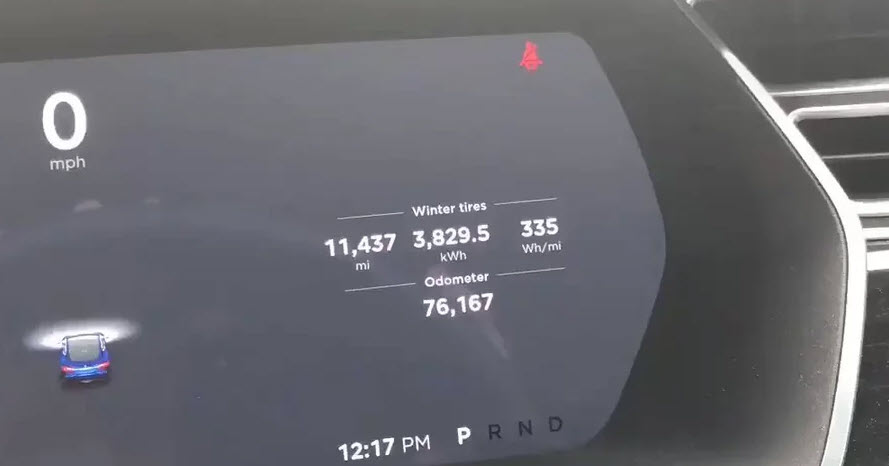
Tesla is pushing back against a proposed class action lawsuit that accuses the automaker of inflating odometer readings in its vehicles, asking a U.S. federal court to dismiss the case with prejudice.
The lawsuit, originally filed in California in April last year, alleges Tesla manipulated vehicle mileage to shorten warranty coverage and reduce repair obligations. According to the original complaint, Tesla vehicles rely on software-based calculations — including predictive algorithms and energy consumption data — that can artificially increase recorded mileage.
Hinton claims he purchased a used 2020 Model Y in December 2022 with 36,772 miles on the odometer. After experiencing suspension issues and bringing the vehicle in for service, he began tracking his daily mileage and noticed what he described as unusual increases despite a routine of short commutes.
According to the lawsuit, the vehicle began logging more than 70 miles per day on average, far above the roughly 20 miles Hinton believed he was driving. The complaint alleges that surge pushed the vehicle past Tesla’s 50,000-mile Basic Vehicle Limited Warranty threshold sooner than expected, leaving him responsible for repairs.
The lawsuit claims Tesla’s odometer system estimates mileage based on a combination of software inputs rather than traditional distance measurements. It alleges that “Tesla knowingly overstates the distances traveled in Tesla vehicles,” arguing the practice could cause warranties to expire earlier and encourage owners to purchase extended coverage.
Since the original complaint was filed, the plaintiff has already changed their argument. Tesla says the plaintiffs originally tied their theory to a Tesla patent, but once they were able to show that the patent was actually about trip planning and battery charging, not odometer calculations, the plaintiffs removed references to the patent while keeping the same conclusions. Tesla argues that leaves the complaint unsupported and speculative.
In its motion to dismiss, Tesla says its odometers function like those used throughout the auto industry and do not rely on the algorithms described in the complaint.
The automaker further argues the case should be dismissed with prejudice, meaning the claims could not be filed again. According to Tesla, the plaintiffs cannot show their vehicles’ odometers are inaccurate or that the company engaged in any deceptive conduct.
Tesla also points to data from a joint vehicle inspection conducted during the case, which the company says demonstrated that independent mileage measurements in the vehicle were within a fraction of a percent of the displayed odometer reading, undermining the plaintiff’s claims.
In addition, Tesla says the plaintiffs failed to demonstrate they were denied warranty coverage for qualifying defects, another key element of the lawsuit.
The class action seeks damages for California Tesla owners who purchased or leased vehicles for personal use, alleging violations of consumer protection laws. Tesla’s motion argues those claims do not meet the legal standards required to proceed.
According to the motion, filed on February 19, 2026, a judge will ultimately decide whether the case moves forward or is dismissed.