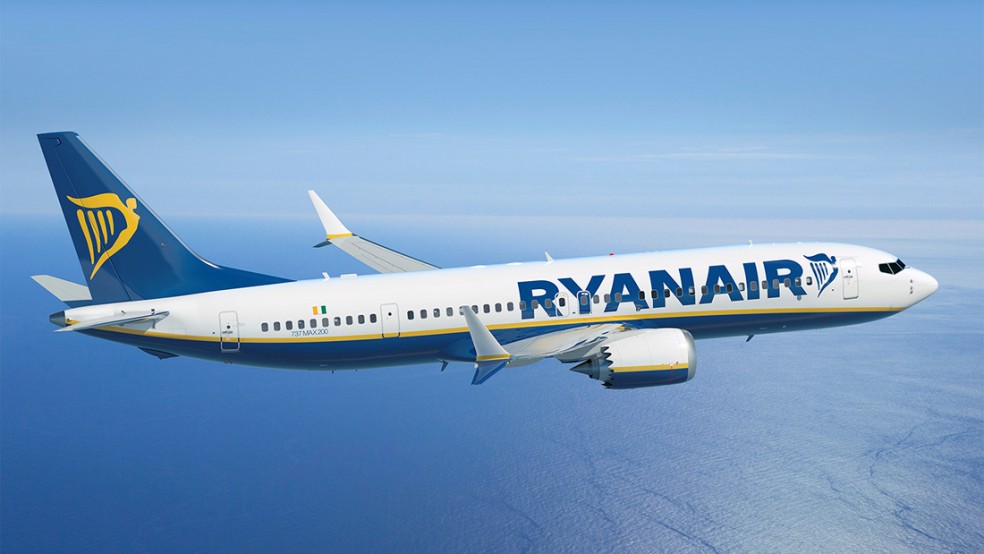
Ryanair has made it clear that it won’t be joining the growing list of airlines rolling out SpaceX’s Starlink inflight internet, even as competitors across Europe and beyond race to upgrade their cabins with high-speed satellite connectivity.
Speaking to Reuters on Wednesday, Ryanair CEO Michael O’Leary said the ultra-low-cost carrier has ruled out installing Starlink antennas on its Boeing 737 fleet because of the added fuel burn and the short length of its typical flights.
“You need to put antenna on fuselage it comes with a 2% fuel penalty because of the weight and drag,” O’Leary said. “We don’t think our passengers are willing to pay for WiFi for an average 1-hour flight.”
That stance puts Europe’s largest airline by passenger volume on a different path from much of the industry. Over the past year, Starlink has been winning airline after airline, driven by its ability to deliver fast, low-latency broadband using SpaceX’s low-Earth-orbit satellite constellation.
This week alone, Lufthansa Group confirmed it will equip roughly 850 aircraft across its brands with Starlink starting in 2026. In its announcement, the airline highlighted Starlink’s relatively low aerodynamic drag compared to older satellite antennas.
For many long-haul and full-service carriers, the economics look very different than they do for Ryanair. Starlink’s flat-panel antennas are smaller and more aerodynamic than legacy systems, reducing the fuel penalty traditionally associated with inflight connectivity. Airlines flying long transcontinental or intercontinental routes can spread that cost over many hours in the air, while also using fast Wi-Fi to drive higher passenger satisfaction, loyalty, and ancillary revenue from premium services.
Ryanair, however, operates on a razor-thin margin model built around short-haul flights, rapid turnarounds, and rock-bottom fares. The airline’s average sector length is about an hour, which limits both the time passengers would actually use Wi-Fi and the revenue Ryanair could generate from selling it. With that in mind, even a small increase in fuel burn matters.