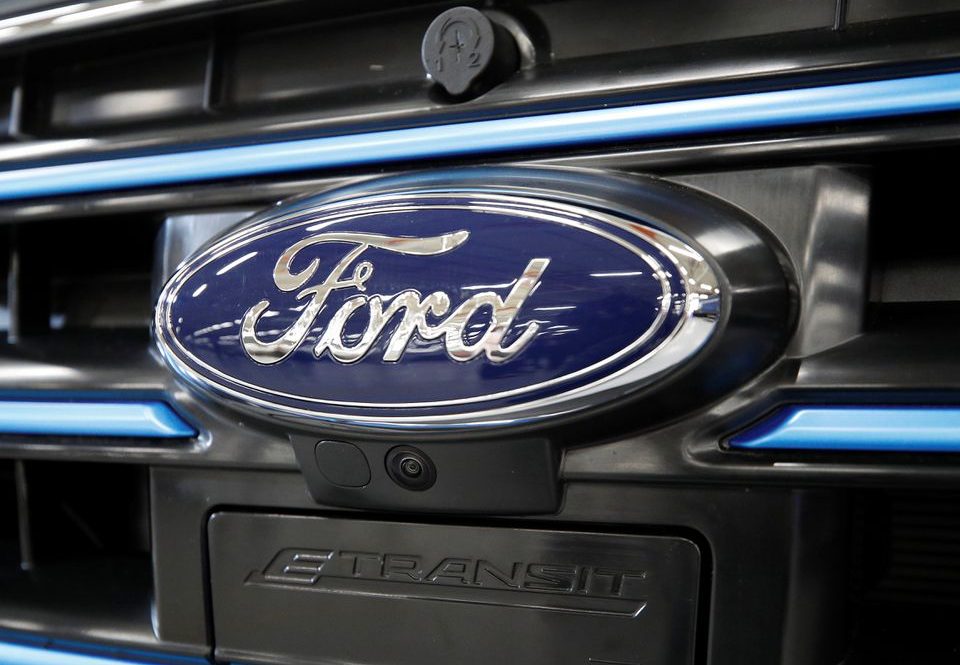
Ford is officially re-joining the race to deliver “eyes-off” driving. At CES 2026, the automaker confirmed plans to launch a Level 3 driver-assistance system in 2028.
According to Ford’s chief EV, digital, and design officer Doug Field, the Level 3 “eyes-off” driver-assistance technology will launch in 2028 on an all-electric vehicle built on its upcoming Universal Electric Vehicle (UEV) platform.
On paper, that sounds like a major leap forward. But the announcement also highlights how far Ford has retreated from earlier autonomy claims—most notably its now-cancelled “Project T3.”
Back in 2023, Ford CEO Jim Farley made headlines by claiming the company’s next-generation electric pickup, known internally as Project T3, would be capable of driving itself “while you sleep” by 2025. The truck was planned for Ford’s massive BlueOval City campus in Tennessee, with production targets as high as 500,000 units per year. Farley described it as a “breakthrough product,” fully digital and continuously improving through software updates.
That vision never materialized. Project T3 was ultimately cancelled just a few weeks ago, alongside Ford’s broader pullback from its EV strategy and the cancellation of the F-150 Lightning pickup truck, which will relaunch as a range-extended electric vehicle with a gasoline-powered generator designed to recharge the battery on the go.
According to Field, the eyes-off technology will be limited to specific highway conditions and rely on an array of sensors—including lidar—paired with in-house software to control costs. Importantly, it won’t come standard on the $30,000 vehicle and will be offered as a paid feature, with pricing still undecided.
“We’re also learning a lot about the business model,” Field said, suggesting Ford is still weighing subscriptions versus upfront purchases. (via Reuters)
In contrast to Ford’s earlier rhetoric, this approach aligns more closely with how the industry is actually deploying autonomy today. General Motors plans to launch eyes-off driving in 2028 on the Cadillac Escalade IQ, a vehicle that starts north of $125,000, while Mercedes-Benz already offers limited Level 3 capability on select highways in a handful of U.S. states. Tesla, meanwhile, continues to pursue a vision-only strategy, but its Full Self-Driving system remains classified as Level 2, requiring drivers to stay attentive.
Ford’s new plan is less flashy than Project T3—but remains to be seen if it is more realistic. After years of costly EV pivots, quality issues, and restructuring charges, the automaker is betting that simpler platforms, tighter vertical integration, and scaled-back autonomy claims will restore credibility.